Upper Mustang Trek
Trek into the walled kingdom of Lo Manthang through Nepal's Tibetan-Buddhist desert. Honest tiers, restricted-area permits arranged.
Into the walled kingdom of Lo Manthang
A restricted-area trek through Nepal's Tibetan-Buddhist desert to the walled city of Lo Manthang - honest about what you walk, what you ride, and what the permit really costs.
Trip Highlights
- Enter the walled city of Lo Manthang (3,840 m), capital of the former Kingdom of Lo
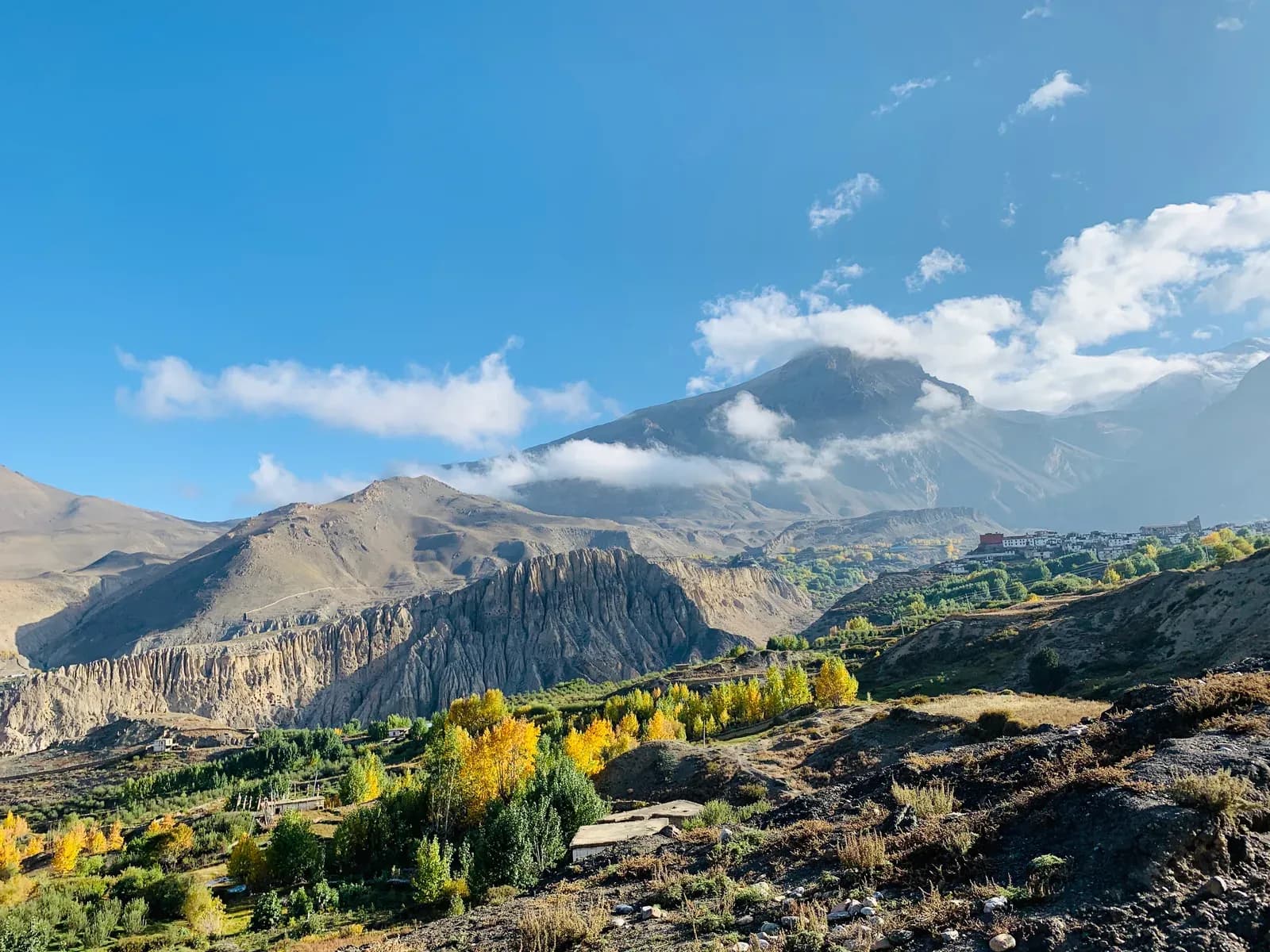
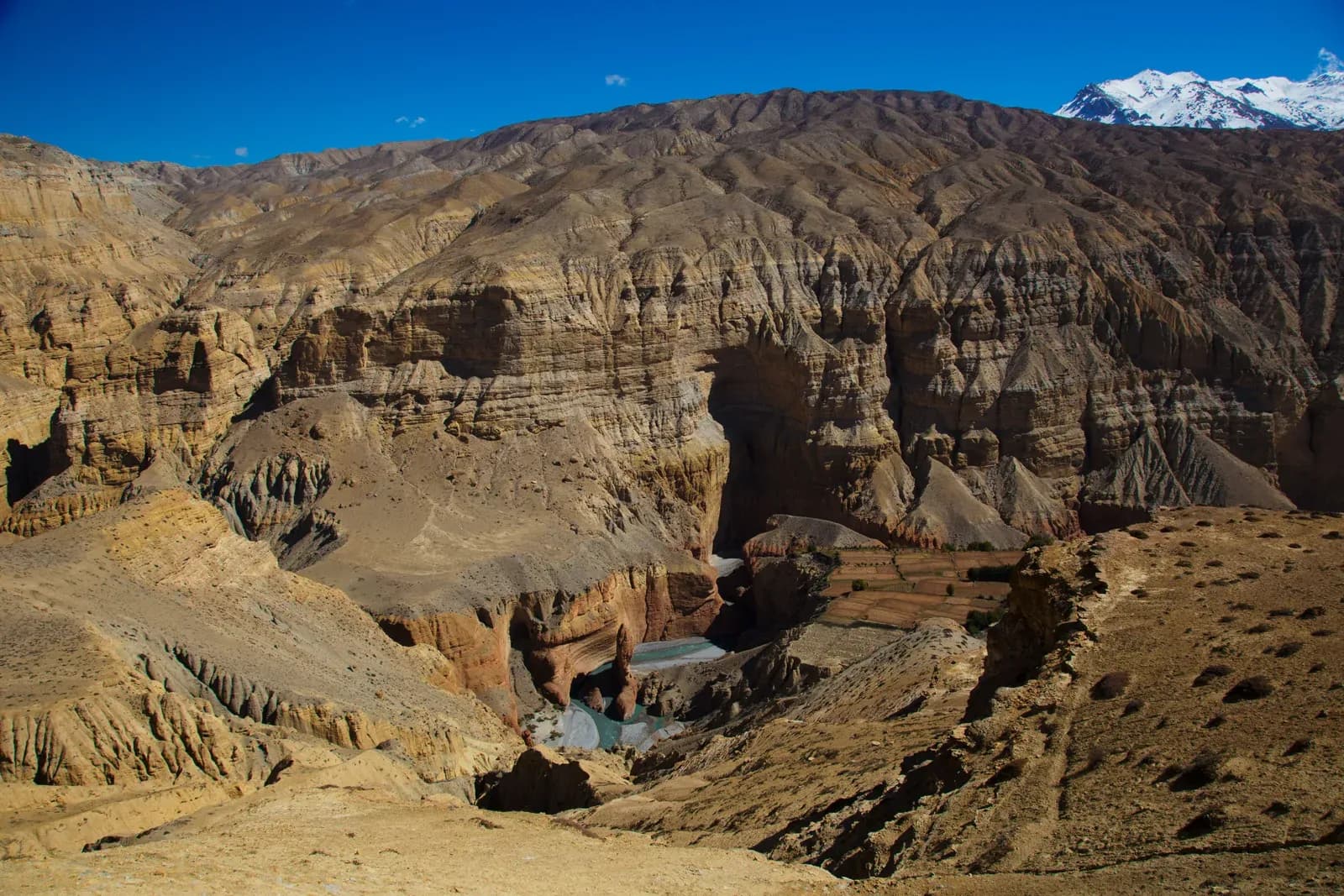
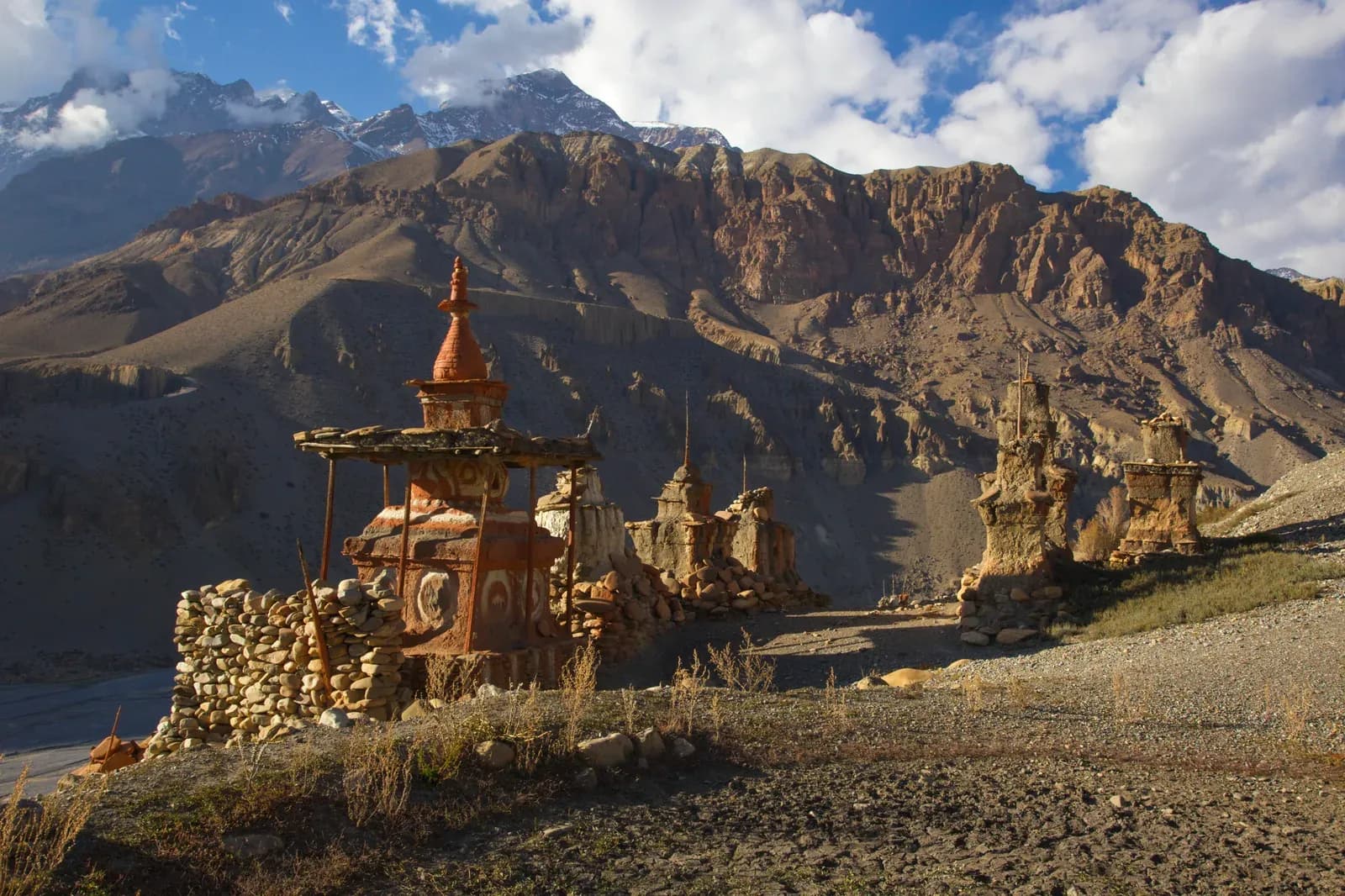
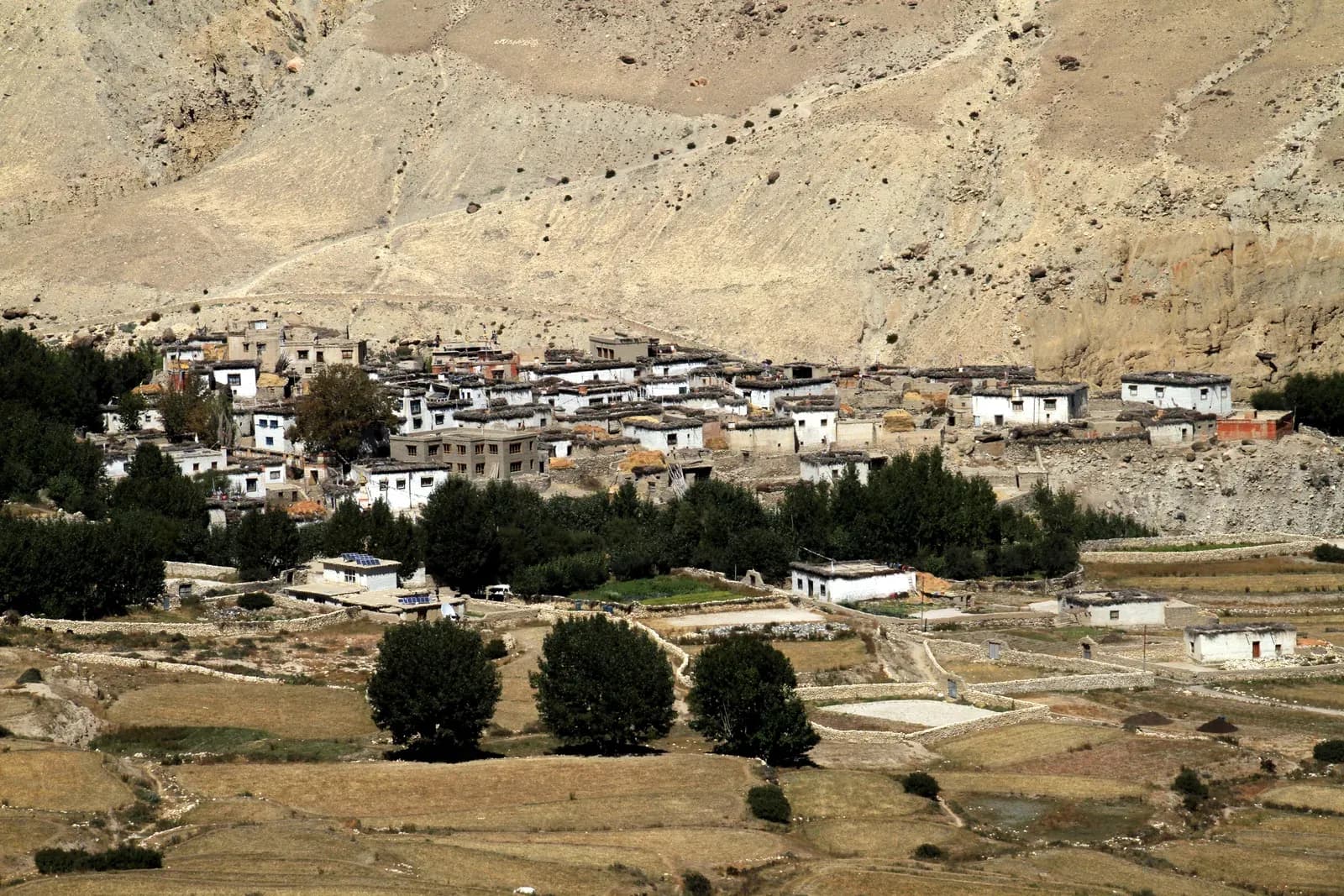
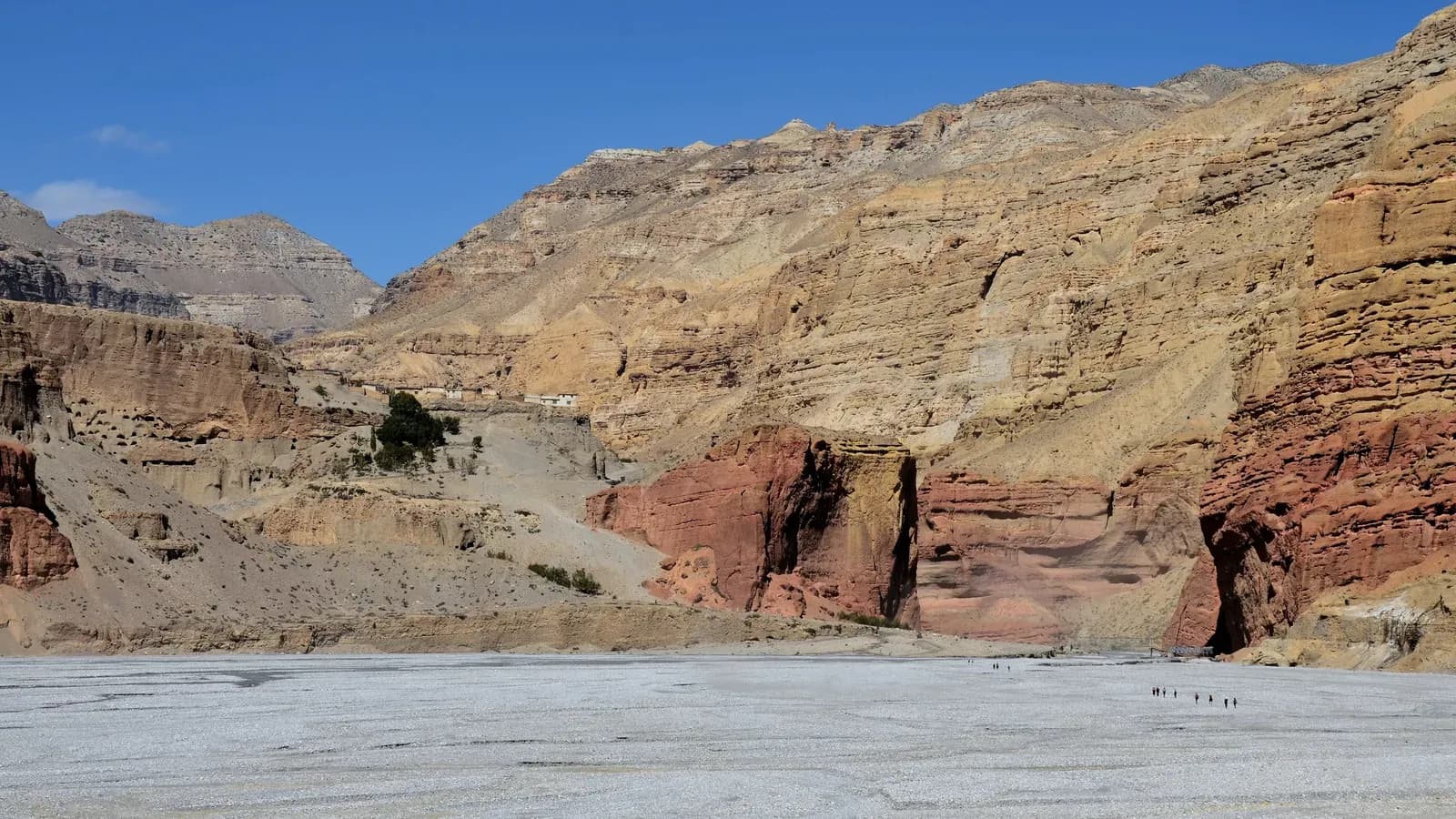
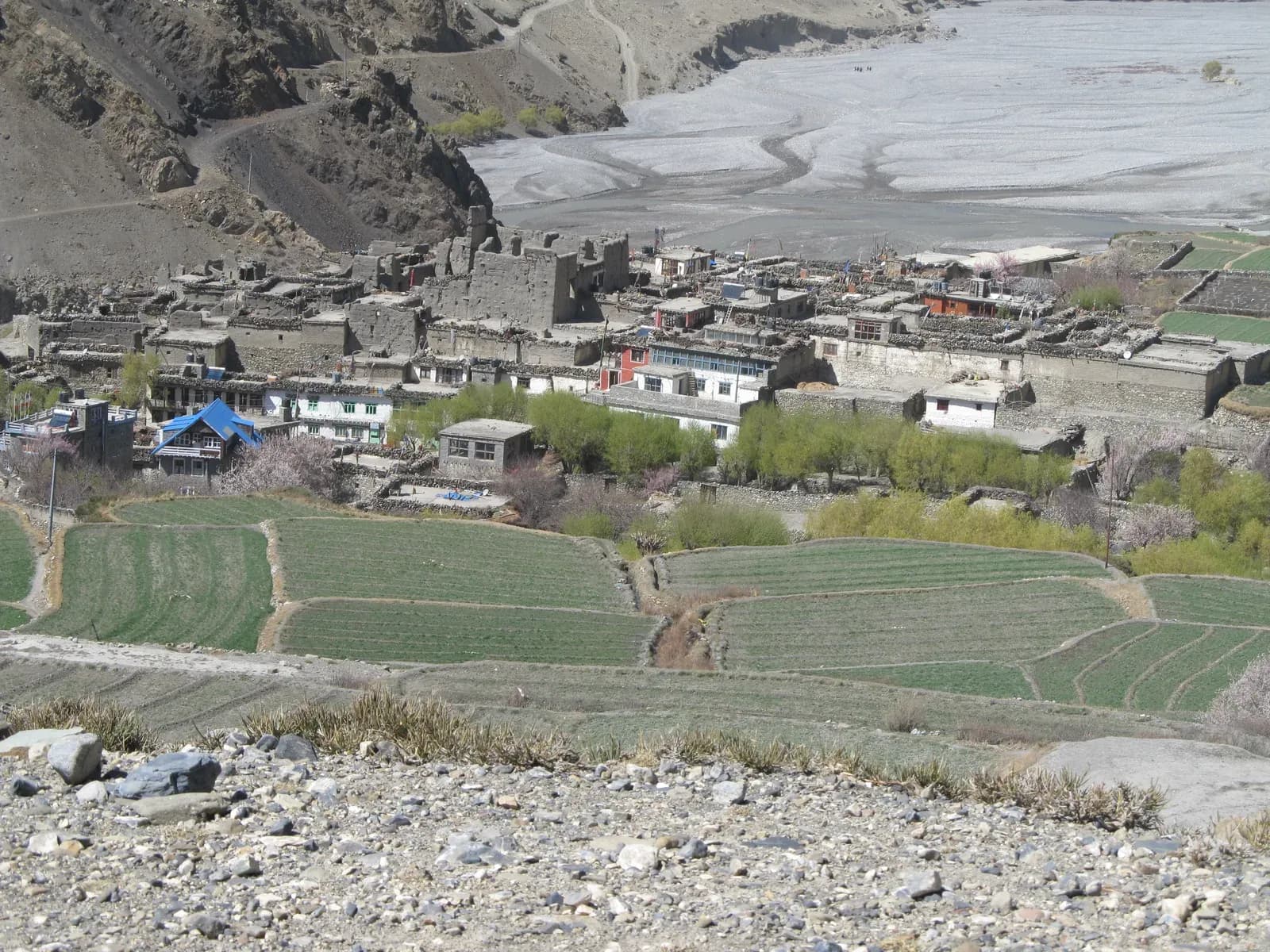
- Walk through a Tibetan-Buddhist desert of red cliffs, ancient sky caves, and mud-brick villages
- Cross the restricted-area checkpost at Kagbeni into country closed to independent trekkers
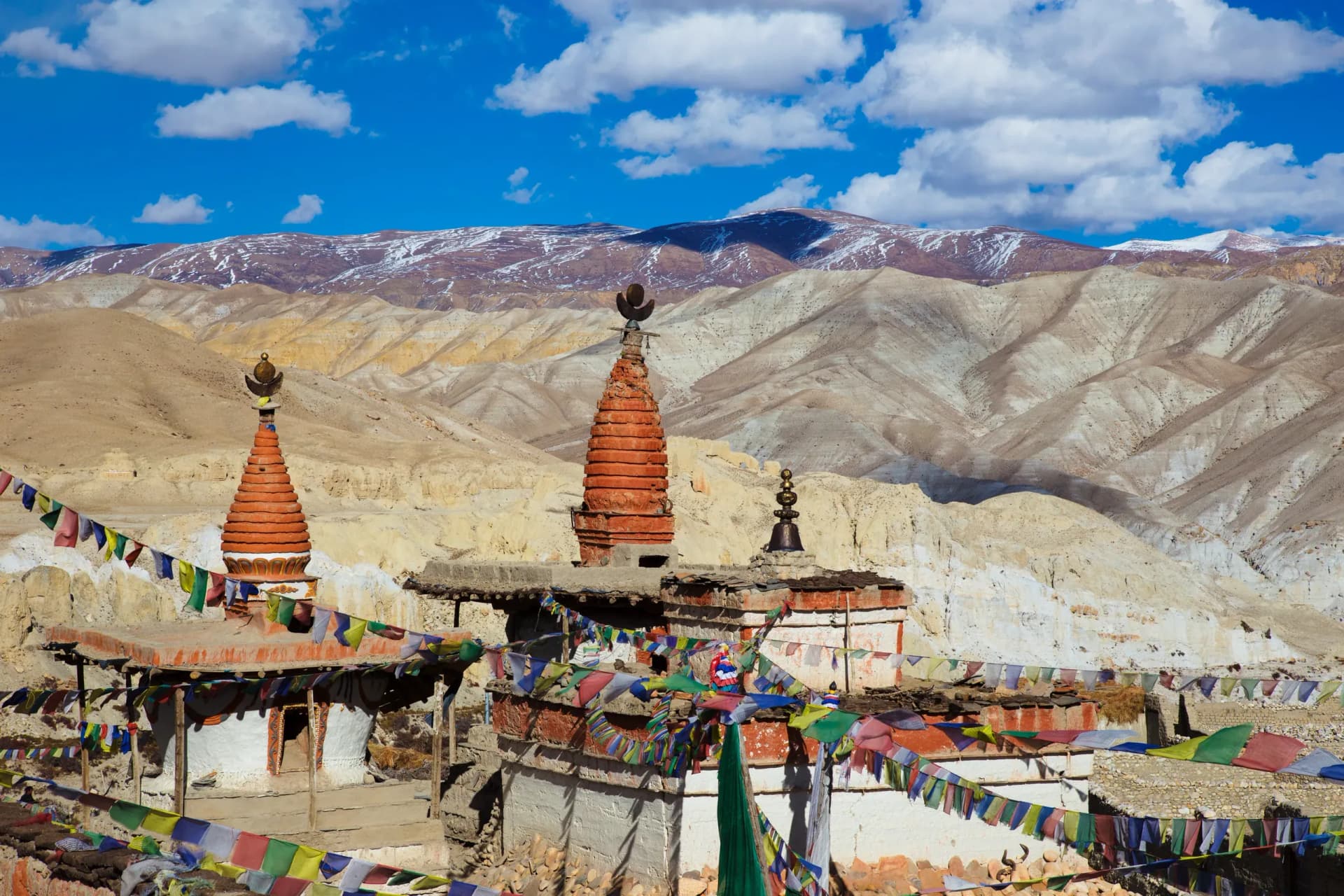
- Visit centuries-old monasteries - Ghar Gompa, Chode, and the cave gompa at Luri
- Trek a region that stays open in monsoon, when its rain-shadow keeps the trail dry
- Travel with a licensed guide who carries the permits and interprets the culture
Not the altitude - Lo Manthang sleeps at a moderate 3,840 metres, and the highest pass on the standard route is around 3,950 metres. The difficulty is distance, wind, and aridity: long days across an exposed desert plateau with little shade and a relentless afternoon wind. The Transformation circuit crosses higher ground, up to around 4,320 metres at Chogo La.
A dirt road now runs all the way to Lo Manthang, and many trips sold as treks are really jeep tours. We are deliberate about this. The Trail drives the whole route by jeep - fast and accessible, but with little acclimatisation. The Journey walks the classic trail in and out on foot. The Transformation walks a full circuit. We tell you, day by day, what is driven and what is walked.
Upper Mustang is a genuine restricted area. Since 2026 the permit costs 50 US dollars per person for each day you are inside the zone, replacing the old flat 500-dollar fee. It can only be issued through a registered agency, never to an individual, and a licensed guide is mandatory. We arrange the restricted-area permit, the conservation permit, and the TIMS card, and we show you the cost as a line, not a surprise.
Kagbeni and Lo Manthang have genuinely decent lodges, which is why we use them. The mid-route villages - Chele, Ghami, Charang - are basic for everyone, and no tier changes that. Hot showers, charging, and Wi-Fi are paid extras north of Kagbeni and unreliable at the best of times. The Transformation upgrades the Lo Manthang nights to the best rooms available; it cannot upgrade the country in between.
People who want Tibetan-Buddhist culture, deep remoteness, and a landscape unlike anywhere else in Nepal, and who care more about that than about bagging a high pass. It rewards curiosity about monasteries, history, and desert geology. It is not the trek for someone chasing altitude records or lush mountain scenery.
What's Included & Excluded
Price Includes
- Restricted-area permit, ACAP, and TIMS
- Teahouse and lodge nights
- Full board on trek
- Licensed guide
- Ground or air transfer
- Porters and restricted-area logistics
Price Excludes
- International flights
- Nepal visa
- Travel insurance
- Flight to Jomsom (Trail and Journey)
- Muktinath extension
- Personal expenses
Add-on - Pair with sacred Muktinath
Kagbeni is also the gateway south to Muktinath, a temple holy to Hindus and Buddhists. Combine the restricted kingdom of Lo with the pilgrimage to Muktinath on one trip.
- The Jomsom-Muktinath route through the lower Kali Gandaki valley
- The 108 water spouts and eternal flame at Muktinath (3,800 m)
- A combined itinerary and permits, arranged in advance
Muktinath sits on a side valley east of Kagbeni, in the opposite direction to Lo Manthang, so it is arranged as an extension rather than part of the core route. It needs no restricted-area permit and adds a few days.
See the Jomsom Muktinath TrekBuild your trek
Pick a tier, set your group size, and choose a preferred departure. The number you see here is the number we receive.
What's in The Trail
2 included · 1 not included
- Restricted-area permit, ACAP, and TIMSAll three arranged through our agency before departure
- All meals and teahouse lodging on tourBreakfast, lunch, and dinner throughout
- Walking acclimatisationThe Trail gains altitude fast by jeep; choose the Journey to walk in
Frequently Asked Questions
As of 2026 the restricted-area permit costs 50 US dollars per person for each day you are inside the zone, which begins at Kagbeni. This replaced the old flat fee of 500 dollars for ten days, so shorter trips now cost less and you only pay for the days you actually use. On top of that you need the Annapurna Conservation Area Permit, around 25 to 30 dollars, and a TIMS card, around 20 dollars. We arrange all three, and the restricted permit can only be issued through a registered agency, never to an individual.
Upper Mustang is a restricted area, and the rules require a licensed guide on every trip. A notice in early 2026 began allowing solo trekkers to hold a restricted-area permit with a guide, but enforcement is still settling and several requirements remain in transition, so we currently run this trek with a minimum of two trekkers. If you are travelling alone and want to go, talk to us - we can often pair you with a departure. A guide is mandatory either way.
It can be either, and we are deliberate about telling you which. A dirt road now runs the length of the valley to Lo Manthang, so many trips sold as treks are really jeep tours. Our Trail tier is an honest jeep tour - fast and accessible, but you gain altitude quickly with little walking acclimatisation, and we say so plainly. The Journey walks the classic trail to Lo Manthang and back on foot. The Transformation walks a full circuit. We tell you, day by day, what is driven and what is walked.
The sleeping altitude is moderate - Lo Manthang sits at 3,840 metres, and the highest pass on the standard route is around 3,950 metres, lower than most major Nepal treks. The difficulty is not altitude but distance, wind, and aridity: long days across an exposed desert plateau with a strong afternoon wind. The Transformation circuit crosses higher ground, up to around 4,320 metres. With a measured pace and the Lo Manthang rest day, most reasonably fit walkers manage the Journey comfortably.
Tiji is a three-day Tibetan-Buddhist festival in Lo Manthang, set by the monastery on the lunar calendar, usually in May. The strongest current indication for 2027 is the 1st to 3rd of June, though the date is confirmed only a few months ahead, so treat it as provisional until then. The Transformation tier can be timed to Tiji as an optional departure. If timing your trek to the festival matters to you, tell us early so we can confirm the dates and secure lodging, which is tight during the festival.
Yes, and this is one of the region's genuine advantages. Upper Mustang sits in the rain-shadow north of the Annapurna and Dhaulagiri massifs, so it stays largely dry through June, July, and August when most of Nepal is under monsoon rain. It is one of the few Himalayan treks that works well in summer. The trade-off is that the approach through the lower valley can still see rain and the occasional flight delay, which is why we build a buffer day into the schedule.
It means the government controls who enters and how. North of the Kagbeni checkpost you must hold the restricted-area permit, which only a registered agency can obtain, and you must travel with a licensed guide. You cannot trek here independently. The rules exist for both border-security and cultural-preservation reasons - Upper Mustang borders Tibet and holds a living Tibetan-Buddhist culture that the permit system is meant to protect. Overstaying or entering without a permit carries heavy penalties, so we keep the paperwork exact.
Yes, on request. Muktinath, the temple sacred to Hindus and Buddhists, sits on a side valley east of Kagbeni - the opposite direction to Lo Manthang - so it is not part of the core Upper Mustang route. Because Kagbeni is the shared gateway, though, it is straightforward to add the Jomsom-Muktinath route to your trip as an extension. It needs no restricted-area permit and adds a few days. Ask us and we will build a combined itinerary.
Your Journey
Follow the trail from start to finish every day is a new adventure.
The Trail drives to Lo Manthang and back by jeep, gaining altitude fast with little acclimatisation. The Journey, our default, walks the classic trail in and out on foot. The Transformation flies in and walks a full circuit, returning through the eastern sky-cave villages. Safety is identical across all three.

Kathmandu to Pokhara
- Distance
- 200 km
- Sleep
- 820 m
- High
- 1,300 m
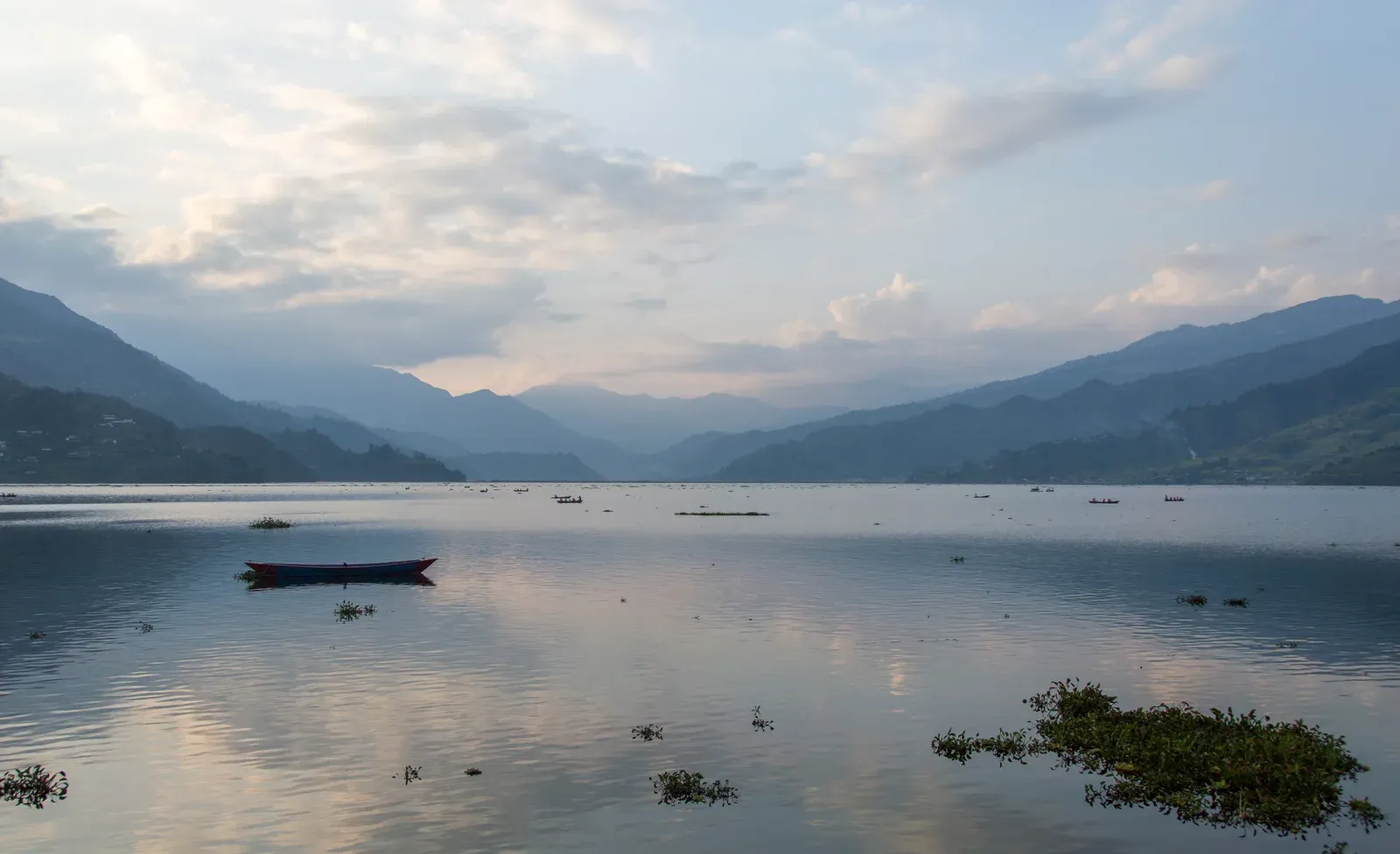
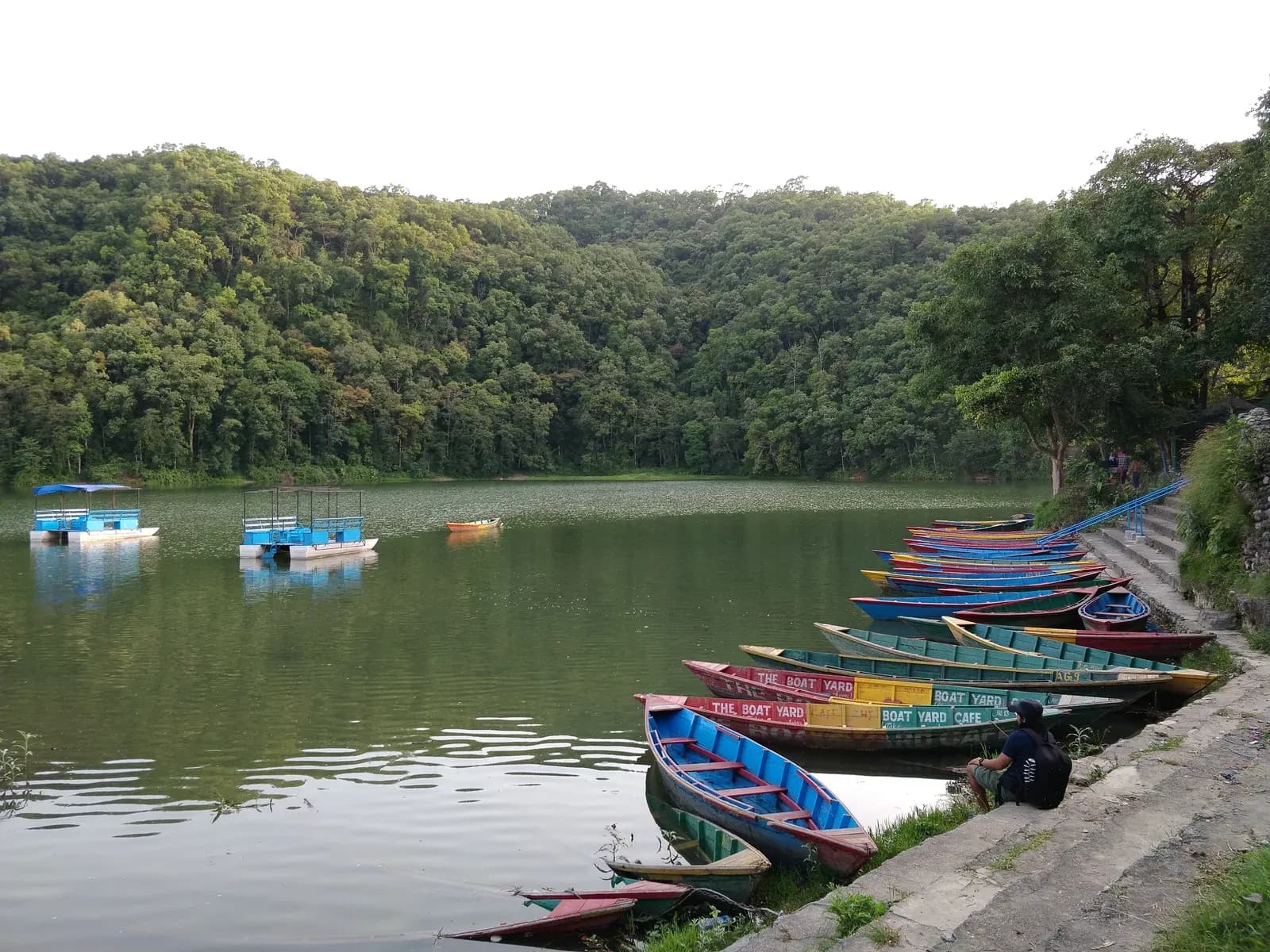
Transfer to Pokhara, the gateway to Mustang

Pokhara to Jomsom to Kagbeni
- Distance
- 160 km
- Walking
- 1 hrs
- Sleep
- 2,810 m
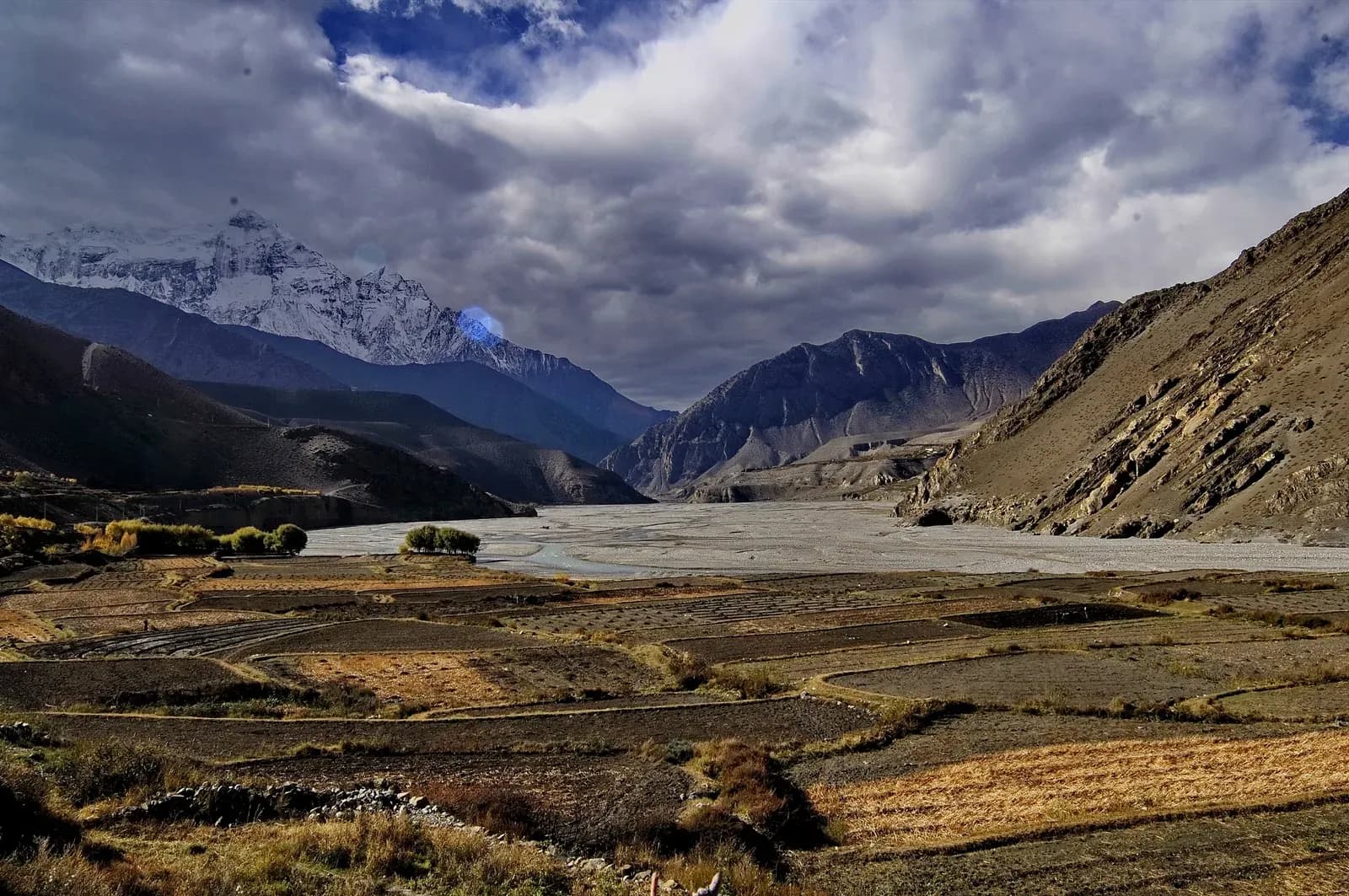
The Kali Gandaki gorge between two 8,000 m peaks

Kagbeni to Chele
- Distance
- 13 km
- Walking
- 6 hrs
- Sleep
- 3,050 m
Cross into the restricted area beyond Kagbeni

Chele to Geling
- Distance
- 14 km
- Walking
- 7 hrs
- Sleep
- 3,570 m
- High
- 3,800 m
Cross Taklam La and Dajori La

Geling to Charang via Ghami
- Distance
- 15 km
- Walking
- 7 hrs
- Sleep
- 3,560 m
- High
- 3,950 m
Cross Nyi La, the southern gateway to Lo

Charang to Lo Manthang
- Distance
- 14 km
- Walking
- 6 hrs
- Sleep
- 3,840 m
- High
- 4,230 m
First sight of the walled city of Lo Manthang

Lo Manthang exploration day
- Distance
- 8 km
- Walking
- 4 hrs
- Sleep
- 3,840 m
- High
- 4,000 m
The monasteries and royal palace within the walls

Lo Manthang to Ghami
- Distance
- 16 km
- Walking
- 7 hrs
- Sleep
- 3,520 m
- High
- 3,950 m
The southbound desert crossing

Ghami to Chele
- Distance
- 16 km
- Walking
- 7 hrs
- Sleep
- 3,050 m
- High
- 3,800 m
The long descent through the lower restricted villages

Chele to Jomsom
- Distance
- 19 km
- Walking
- 7 hrs
- Sleep
- 2,720 m
- High
- 3,050 m
Exit the restricted area at the Kagbeni checkpost

Jomsom to Pokhara
- Distance
- 160 km
- Sleep
- 820 m
- High
- 2,720 m
Transfer south from Jomsom to Pokhara

Pokhara to Kathmandu
- Distance
- 200 km
- Sleep
- 1,300 m
Transfer back to Kathmandu

Buffer day
- Sleep
- 1,300 m
A buffer against flight and road delays

Departure
- Sleep
- 1,300 m
Airport transfer for onward travel