Loading...
Loading...

Walk to sacred Muktinath through the world's deepest gorge. A low-altitude Himalayan trek for pilgrims, families, and first-timers.
A low-altitude trek through the world's deepest gorge to a temple holy to two faiths - honest about what you walk and what you ride.
Very little by Himalayan standards. Days are short and the altitude stays moderate, topping out at Muktinath (3800 m) with no high pass. The challenge is the Kali Gandaki's afternoon wind and fine dust.
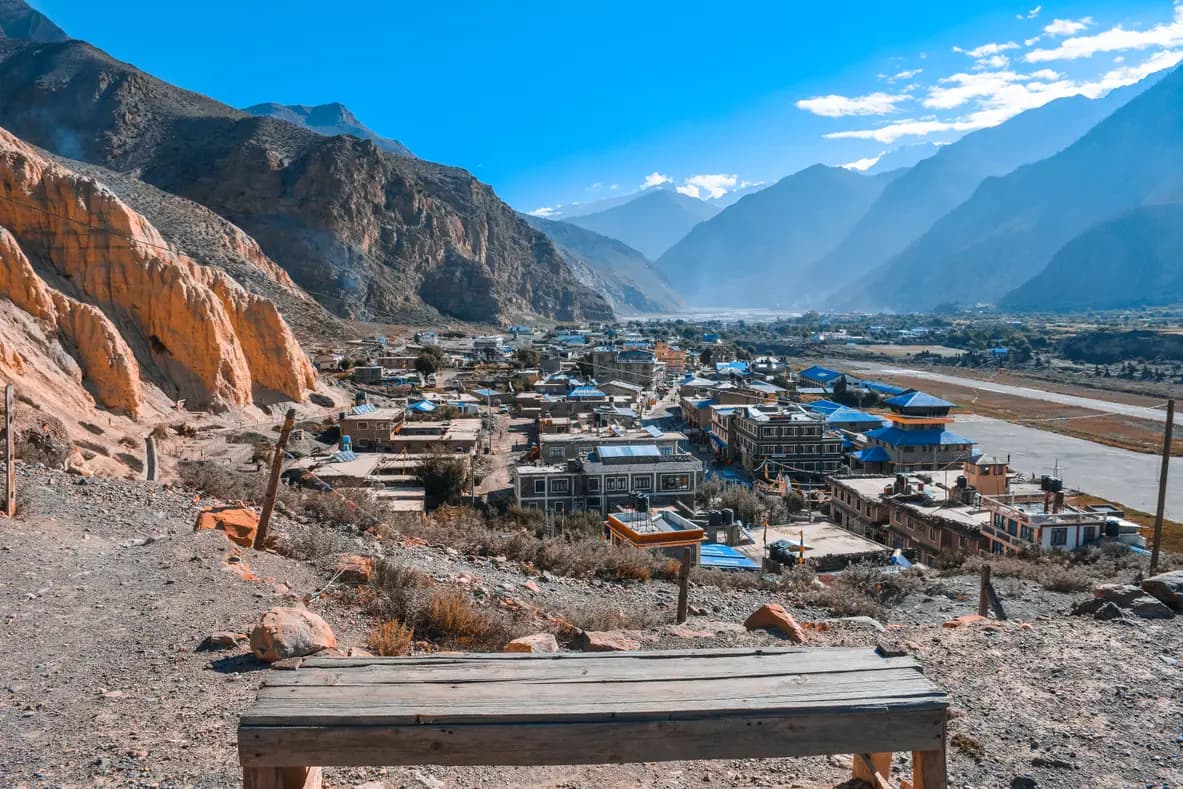
The Pokhara-Jomsom valley is now a rough motor road, not a footpath. The walking worth doing is the upper section: Jomsom to Kagbeni to Muktinath. Each tier is built around that fact.
Teahouses along the route are basic but warm and well-fed, with good Thakali cooking. Jomsom has genuinely comfortable lodges; higher toward Muktinath, accommodation flattens back to standard.
People the high passes turn away: pilgrims travelling to Muktinath, families spanning a wide age range, and first-time trekkers who want real Himalayan country without the altitude risk of bigger routes.
Kagbeni is the gateway to the restricted kingdom of Lo Manthang. Extend north from the same trail into Upper Mustang's walled city and sky caves.
Upper Mustang is a restricted area requiring a separate permit and a licensed guide. No high-altitude experience is needed, but it adds several days and must be booked ahead.
See the Upper Mustang TrekPick a tier, set your group size, and choose a preferred departure. The number you see here is the number we receive.
2 included · 1 not included
It is one of the easier Himalayan treks. The highest point is Muktinath at 3800 metres, there is no high pass, and the walking days are short - four to six hours at most on The Journey. The real challenge is not altitude or distance but the Kali Gandaki's strong afternoon wind and dust, which is why we move in the mornings where we can. The Trail involves no walking at all.
Yes to both. Since 2023, a licensed guide has been required for trekking in the Annapurna region, and we include one on every tier - as much for the cultural interpretation of Muktinath and the Thakali villages as for the rules. You need an ACAP permit and a TIMS card, both of which we arrange before you depart. This trek is not in a restricted area, so it does not require the special permit that Upper Mustang does.
This is one of the trek's strengths. The moderate altitude means the risk of altitude sickness is low, and The Trail reaches Muktinath entirely by bus and jeep, with no walking. Safety is identical across all tiers. We are honest about the genuine risks, which are mundane: wind, dust, occasional flight delays, and rough roads, none of which require special fitness to handle with a guide.
It depends entirely on the tier, and we are deliberate about this. The Trail involves no walking; it is a guided pilgrimage by bus and jeep. The Journey drives the Pokhara-Jomsom road and walks the part worth walking: Jomsom to Kagbeni to Muktinath and back, plus the villages on foot. The Transformation walks the most, descending the full gorge and climbing to Poon Hill.
Spring, from March to May, and autumn, from September to November, are best, with clear skies and stable weather. Because the valley sits in the Himalayan rain-shadow, it stays relatively dry even at the edges of the monsoon. Winter is possible but cold, and some facilities close and flights cancel more often. In every season the mornings are calm and the afternoons windy and dusty.
Jomsom is among the windiest inhabited places in Nepal, and this is the one thing most descriptions understate. Mornings are usually calm and clear; by early afternoon the valley funnels strong, predictable gusts carrying fine dust. It is uncomfortable rather than dangerous. We schedule the day around it where we can, and we recommend a buff, sealed sunglasses, and lip balm.
Mountain flights to and from Jomsom are weather-dependent and do get delayed, particularly in winter and the monsoon shoulder. This is exactly why we build a buffer day into the Pokhara end of the itinerary. On The Trail and The Journey the flight is an optional add-on, so a road alternative is always available; on The Transformation, where the flight is included, the buffer protects the schedule.
Follow the trail from start to finish — every day is a new adventure.
The Trail rides the whole route by bus and jeep with no walking. The Journey drives to Jomsom and walks the Muktinath heart. The Transformation flies in and walks out the long way. Safety is identical across all three.

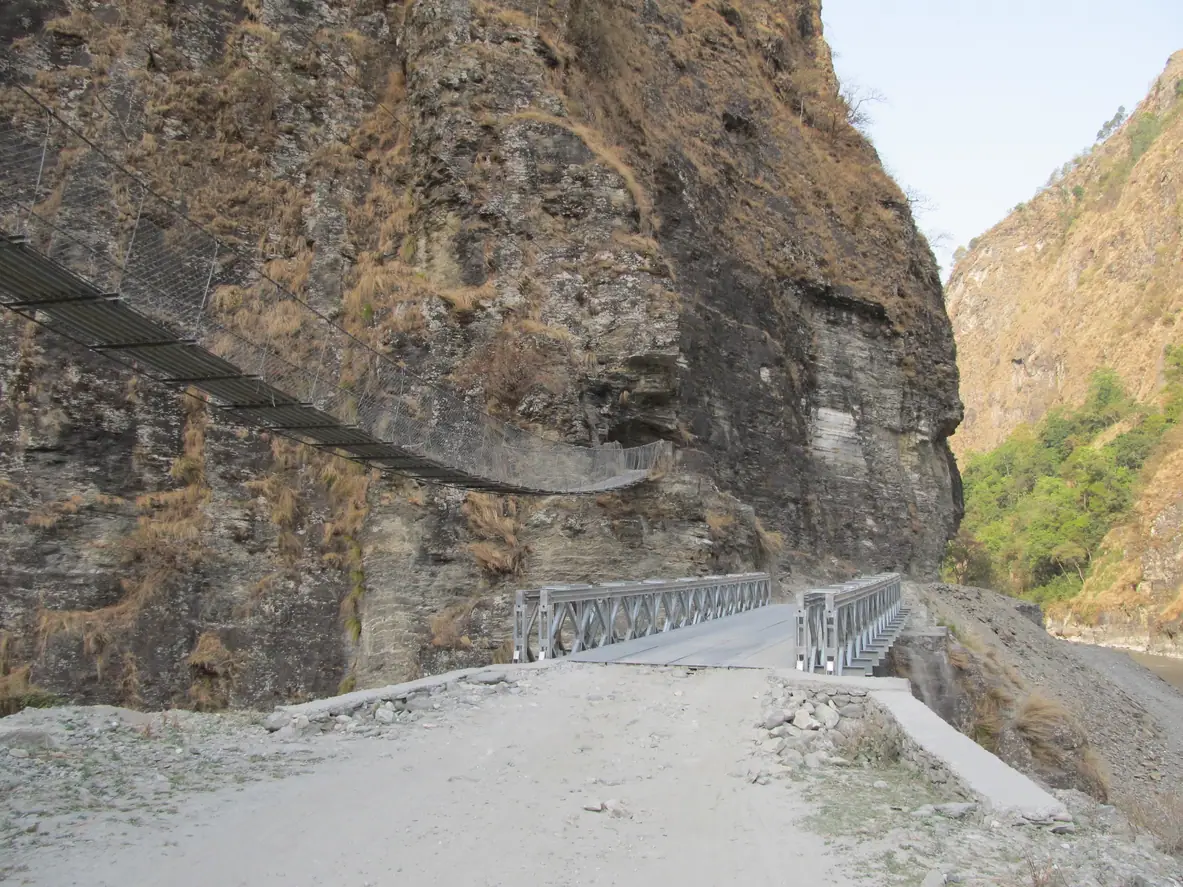
The Kali Gandaki gorge by road

Dhumba Lake beneath Nilgiri

The wide Kali Gandaki riverbed walk

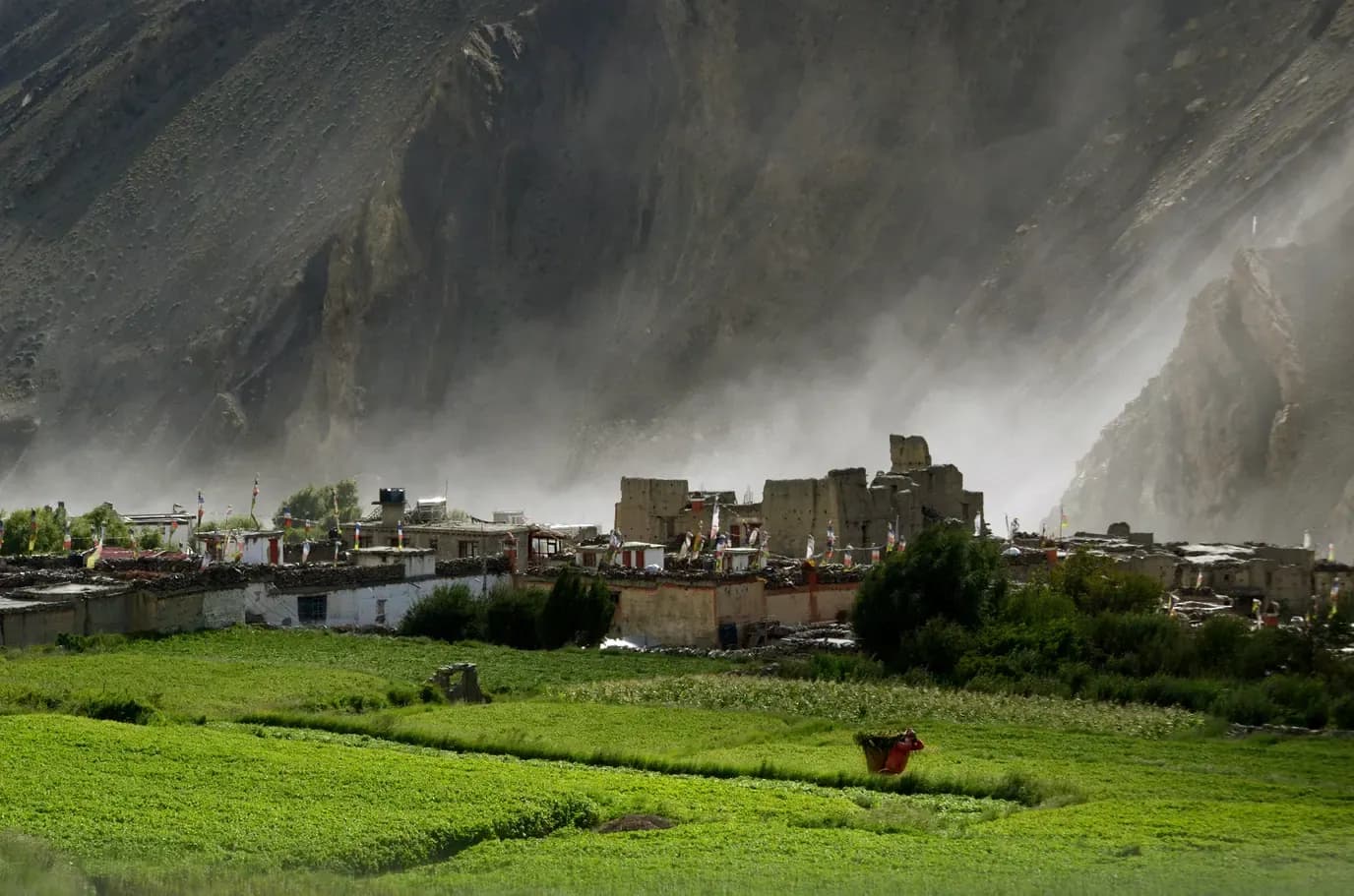
Jharkot's fort and monastery

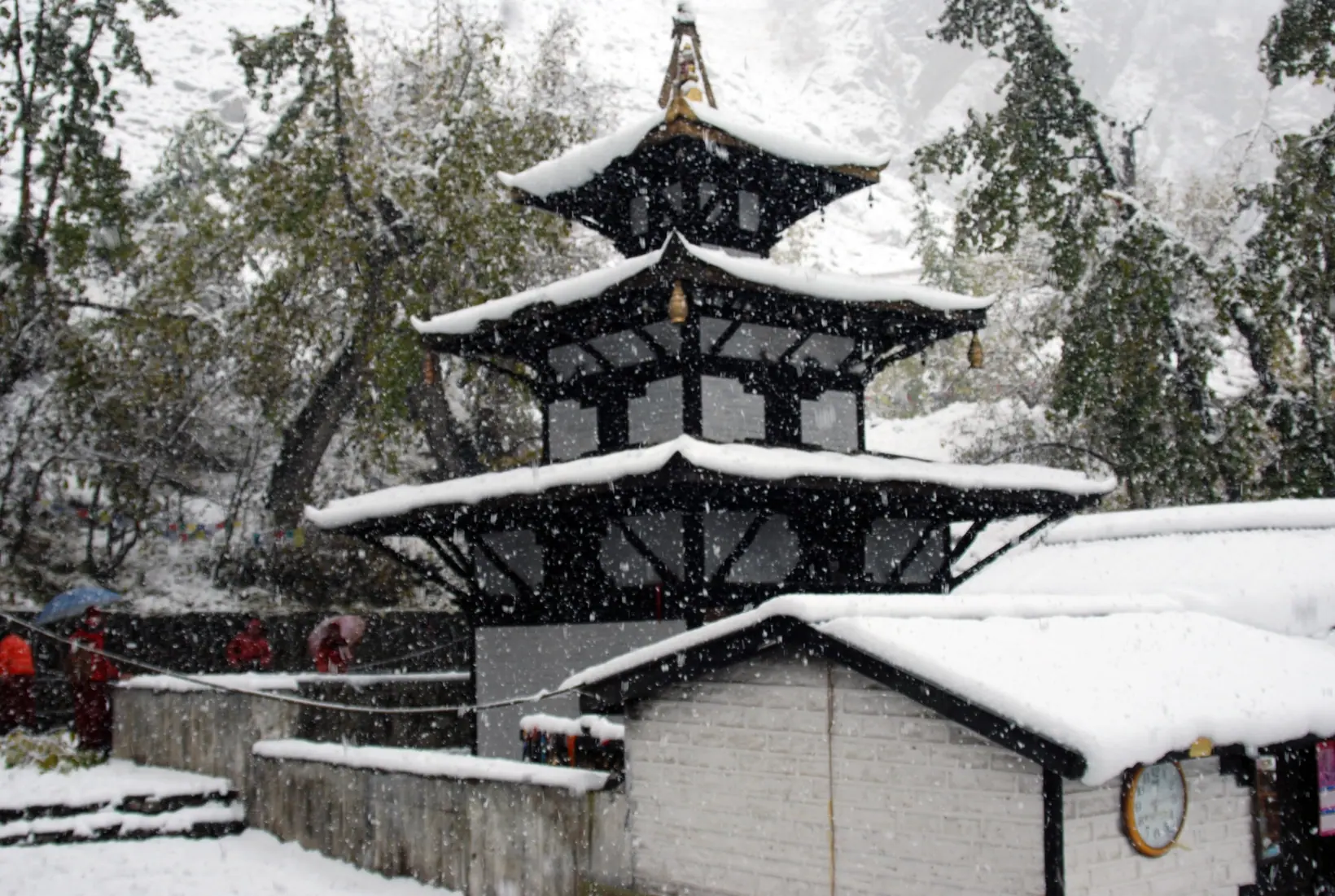
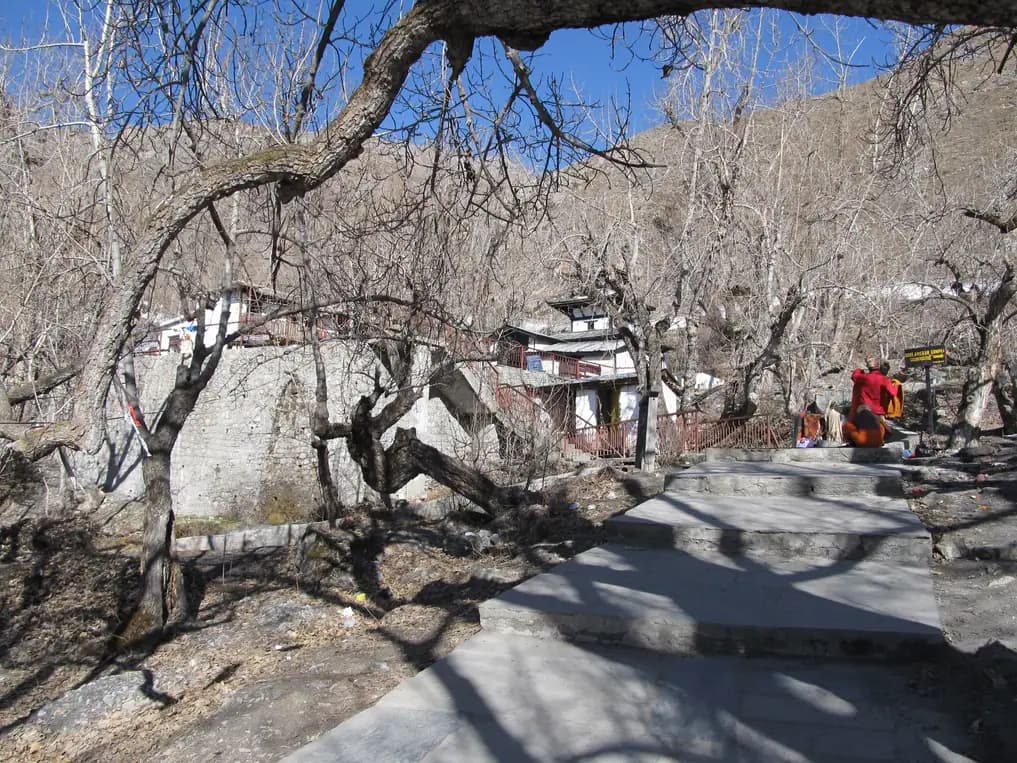
Early-morning temple visit before the crowds

The gorge by road, desert giving way to green

A weather buffer that protects your onward plans

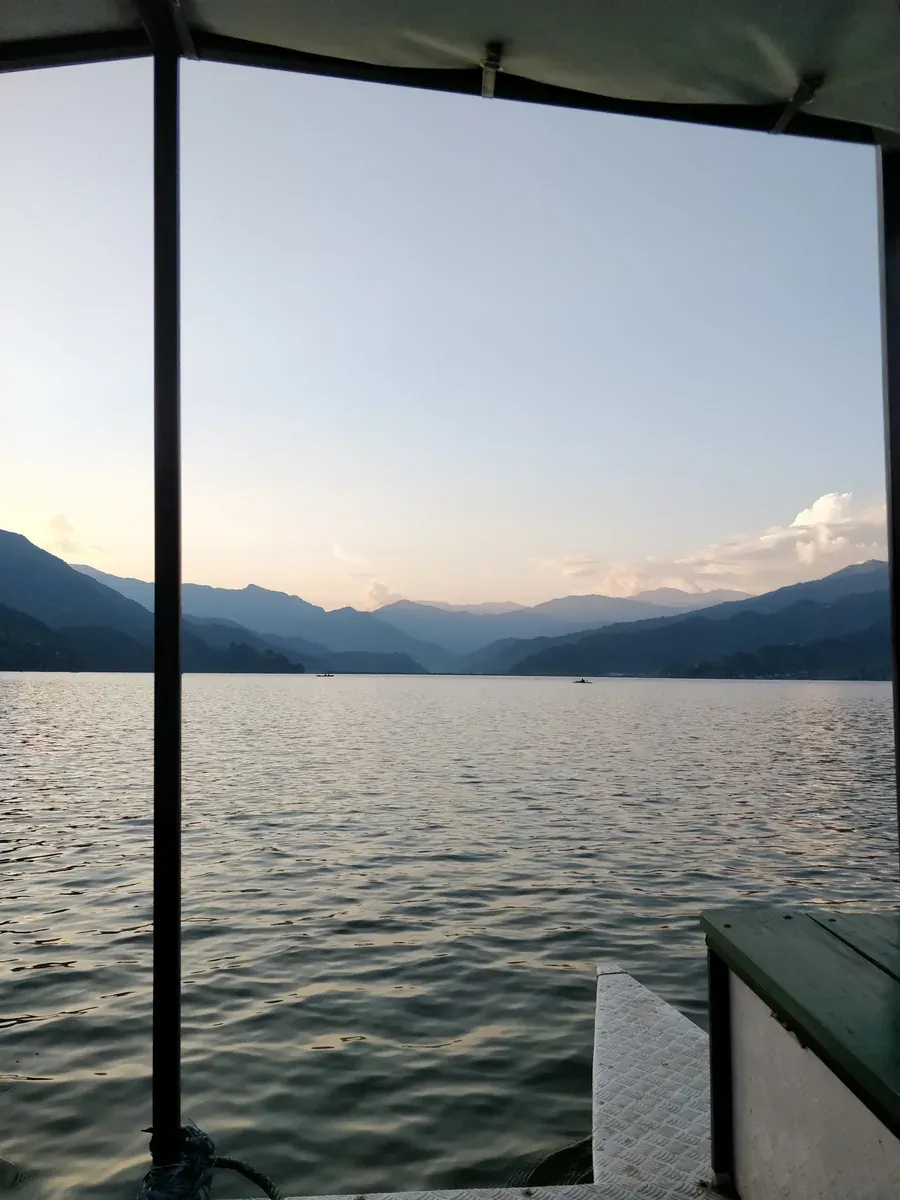
Journey's end in Pokhara