Vitals Check
Vitals Monitoring
Pulse oximeter checks twice daily above 3,500m
Locally led trekking in Nepal
Small-group treks with local guides, thoughtful pacing, and a clear plan before you arrive.
Upper MustangUpper Mustang
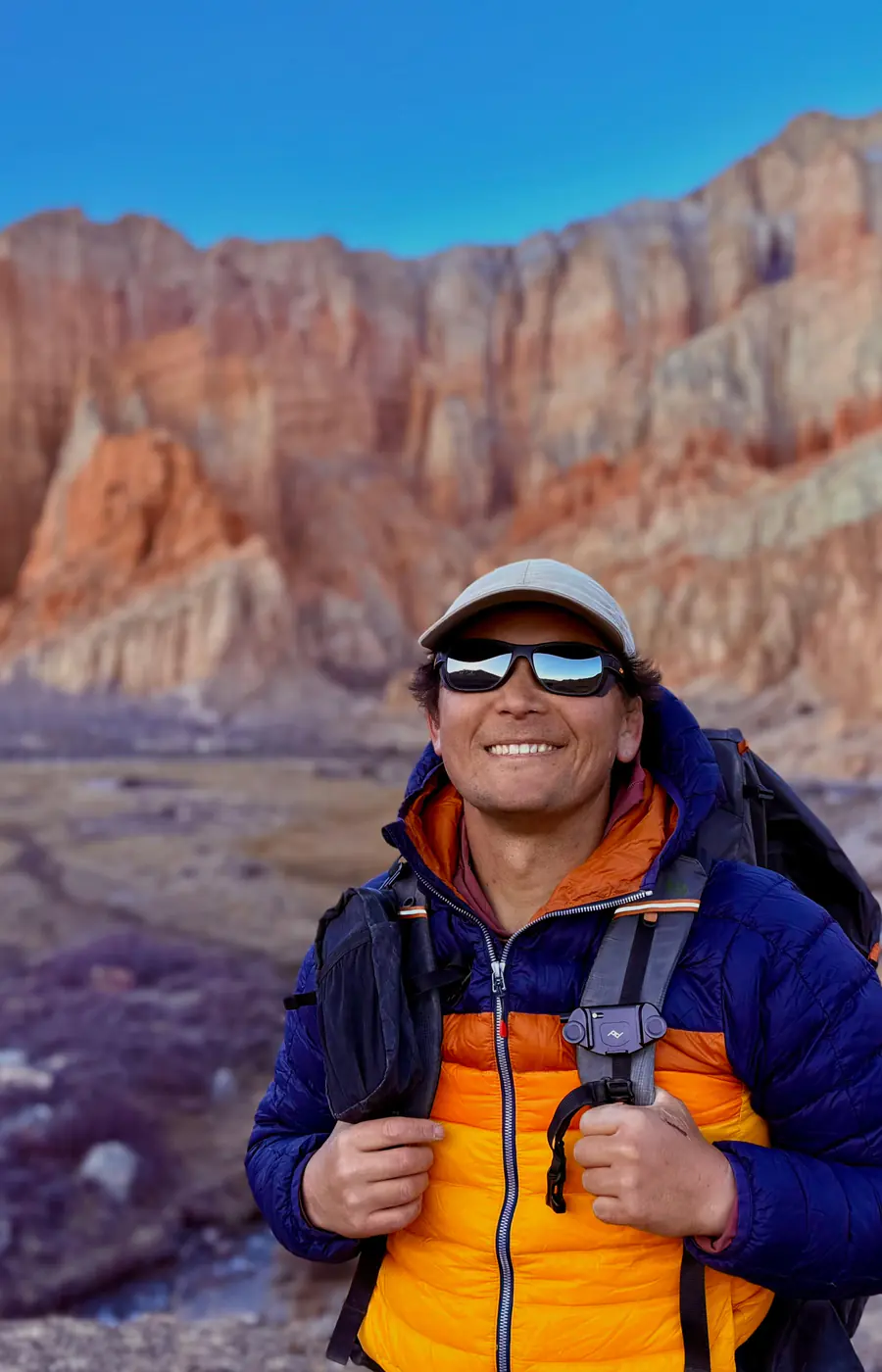
A trekker smiling beneath the red cliffs of Upper Mustang
A smiling guide in a down jacket below the red cliffs of Upper Mustang

Walk with us into the Annapurna Sanctuary to Base Camp at 4,130 m. Honest pacing on the big day, meals included, and the same safety on every tier.

Cross Thorong La at 5,416 m with us on the Annapurna Circuit. Honest pacing, a real rest day in Manang, meals included, the same safety on every tier.

A short trek into Nepal's only hunting reserve: the Dhorpatan valley, a Tibetan settlement, and the Bukipatan meadows below the Dhaulagiri range.

Everest Base Camp, the Cho La Pass at 5,420 m and the Gokyo Lakes in one 18-day trek, run anticlockwise for better acclimatisation. One fully supported tier.

Fourteen days together from Lukla to the foot of Everest at 5,364 m, with two acclimatisation days on every tier and logistics told honestly.

Walk with us to the Gokyo lakes and climb Gokyo Ri, 5,357 m, for the Everest view. Quieter than Base Camp, paced honestly, the same safety on every tier.

Ten days from Kathmandu to Kyanjin Gompa with no flight, two nights up high, and both Langtang viewpoints reached rested, not rushed.

Reach Manang at 3,540 m with us by road, not a week of trekking. Monasteries, lakes and stone villages in 5 to 7 days, with a licensed guide.

Cross Thorong La at 5,416 m with us, at the pace the body needs: four nights acclimatising around Manang first, then the pass on foot.

A 14, 16 or 18-day circuit of the world's eighth highest mountain, over Larkya La at 5,106 m, through the restricted Nubri valley. Groups of eight at most.

Five or six days from Pokhara up a quiet forest ridge to Mardi Himal Base Camp at 4,500 m, beneath Machhapuchhre. Short, honest, paced for the altitude.

Walk with us to sacred Muktinath through the Kali Gandaki gorge. A gentler Himalayan trek, with no high pass, for pilgrims, families and first-timers.

Walk with us to Tilicho Lake at 4,919 m and back, with a Manang rest day, a carefully timed approach and meals included. The same safety on every tier.

Walk with us into the walled kingdom of Lo Manthang, through Nepal's Tibetan-Buddhist desert. Honest walk-or-ride tiers, restricted permits arranged.
Love Himalaya Journey launched in 2026. We are not going to dress that up. The website is new. The operation behind it is not built by a CEO with 20+ years inside Nepal's trekking industry, walked by guides with 15+ years on the exact routes we run. We publish our protocols and name our guides. Proof replaces review counts.
The CEO is the person lodge owners answer the phone for. Twenty years of relationships, not job postings.
Government of Nepal Trekking Guide License, Wilderness First Responder, and trained on the Two-Tier Altitude Protocol every one of them.
Porter loads capped at 25 kg. Above-industry wages, published per trek. Proper mountain gear, insurance, transparency.
The people leading your trek are the same people trained to run the protocol: measured vitals, altitude decision rules, live trail connectivity, and a pre-arranged emergency chain.
Safety is identical across all tiers, from first vitals check to evacuation escalation.
Pulse oximeter checks twice daily above 3,500m
The Two-Tier Altitude Protocol
Satellite phone and live GPS tracking on every trek above 4,000m
Pre-arranged helicopter evacuation
Safety is identical across all tiers.
SpO2 80–84% triggers a 30-minute oxygen window. Below 80% triggers immediate descent. The guide decides the client is informed, not consulted.
Maximum 8 trekkers per departure. This is what makes Silent Hiking work and what lets a guide notice when your gait changes at altitude.
The first hour of every trekking day is walked in silence by group consensus. Not a marketing line a daily protocol on every LHJ trek.
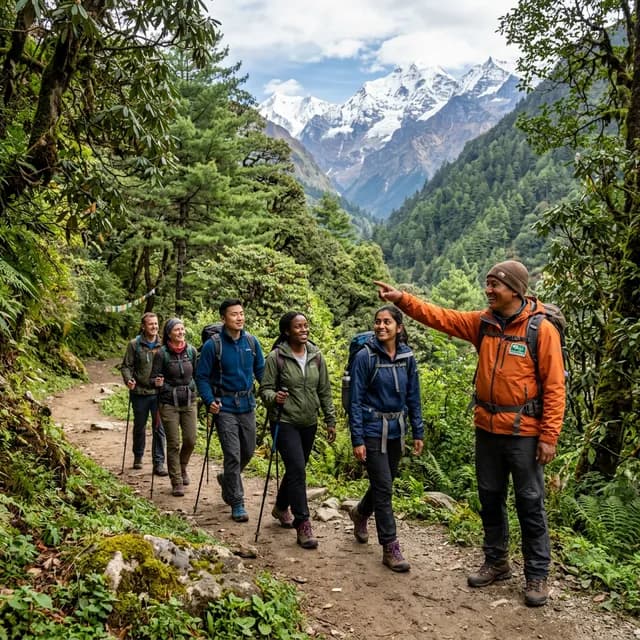
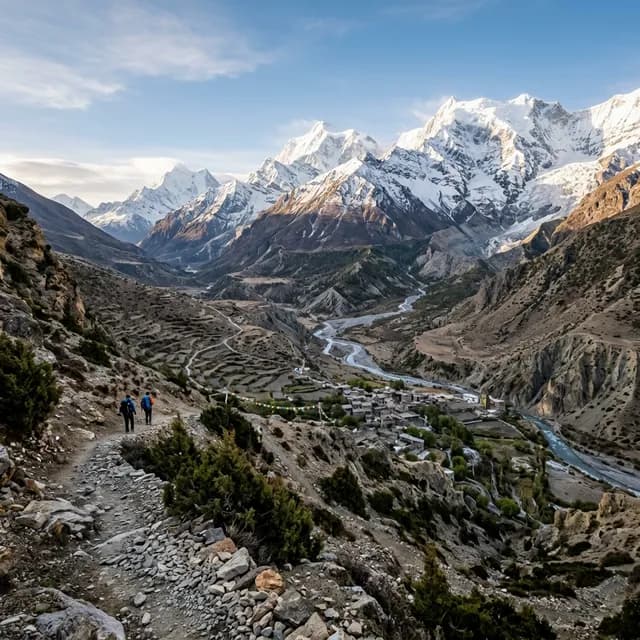
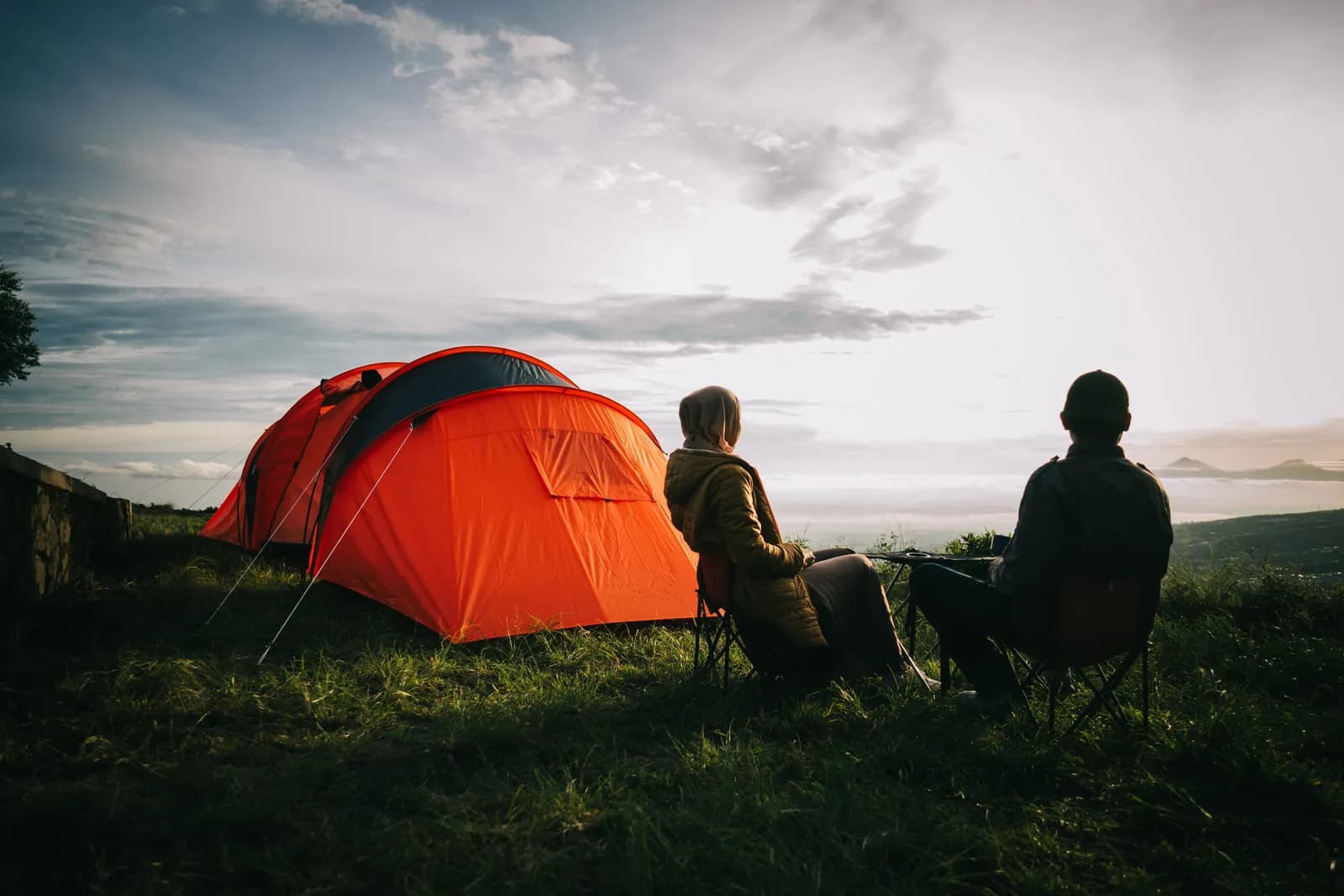
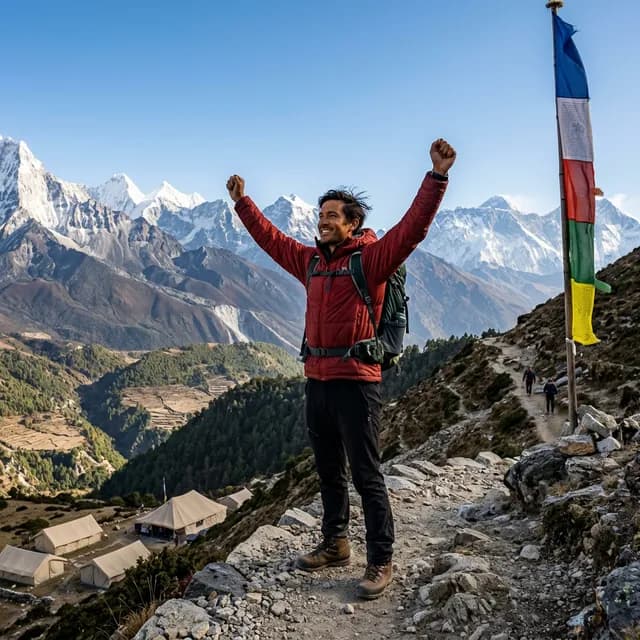
Every guide carries 15+ years on the route you are walking. We publish their trek counts, languages, and certifications. No stock portraits, no invented bios.
We absorb the logistics, the safety anxiety, and the physical friction so that when you stand at sunrise above 5,000 metres, the only thing you are thinking about is where you are.
We publish what your booking creates: porter wages against the industry average, safety equipment funded, lodge standards enforced. Impact, not profit margin.
SpO2 80–84% triggers a 30-minute oxygen window. Below 80% triggers immediate descent. The guide decides the client is informed, not consulted.
Maximum 8 trekkers per departure. This is what makes Silent Hiking work and what lets a guide notice when your gait changes at altitude.
The first hour of every trekking day is walked in silence by group consensus. Not a marketing line a daily protocol on every LHJ trek.
Every guide carries 15+ years on the route you are walking. We publish their trek counts, languages, and certifications. No stock portraits, no invented bios.
We absorb the logistics, the safety anxiety, and the physical friction so that when you stand at sunrise above 5,000 metres, the only thing you are thinking about is where you are.
We publish what your booking creates: porter wages against the industry average, safety equipment funded, lodge standards enforced. Impact, not profit margin.
Discover the Himalayas
Planning your Himalayan adventure has never been easier. Here's how we make it happen.
Browse our curated collection of treks, from beginner-friendly walks to challenging expeditions.
Work with our experts to customize your itinerary, choose lodges, and prepare for altitude.
Meet your certified Sherpa guide, lace up your boots, and discover the Himalayas.
Nepal comes alive with colour, music, and centuries-old traditions. Plan your trek around these unforgettable celebrations.
Plan Around a FestivalRead the festival trekking guide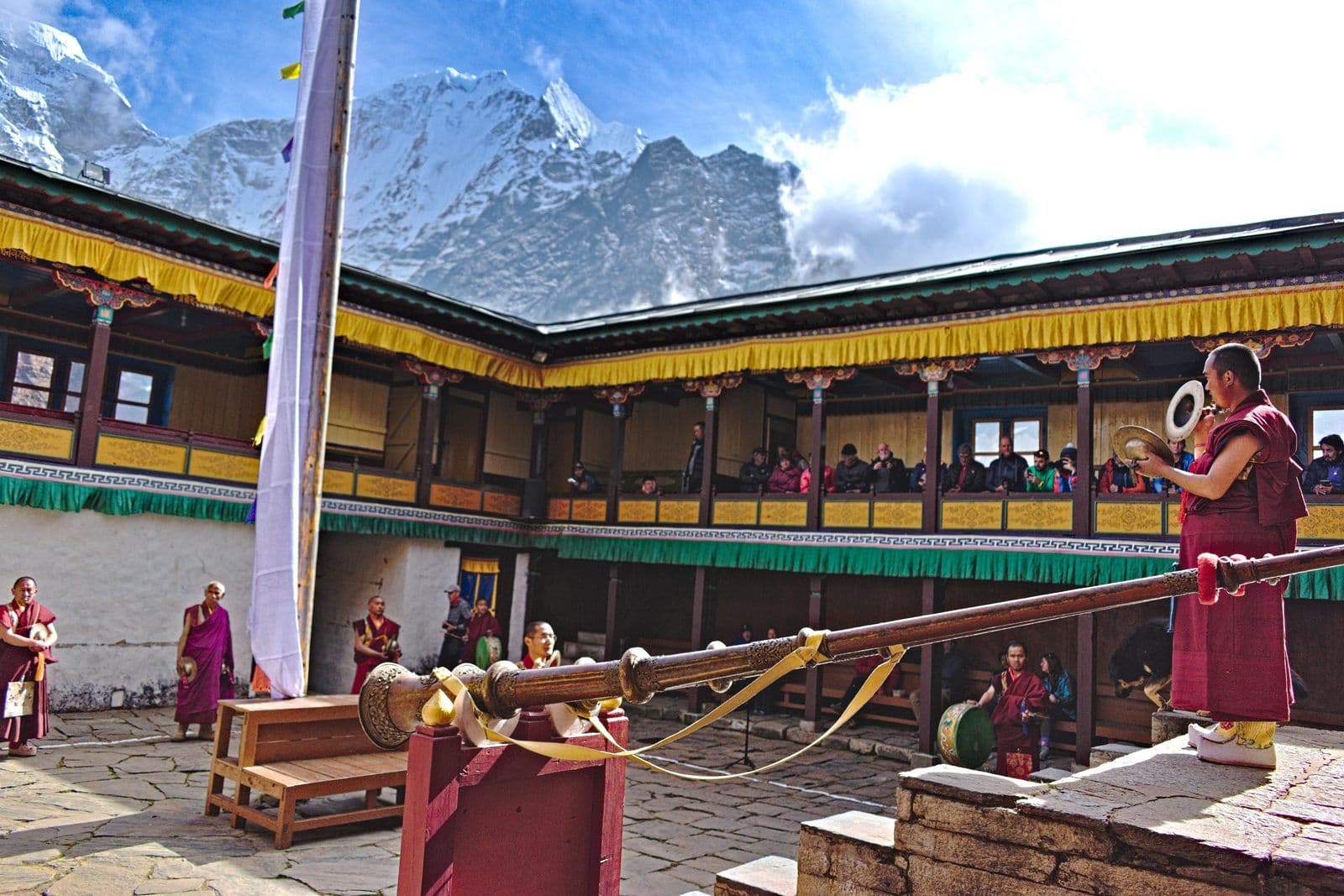
Tengboche, Everest region
Three days of monastic ceremonies and masked dances at Tengboche Monastery, directly on the Everest Base Camp route. The monastery confirms the lunar-calendar dates each year.
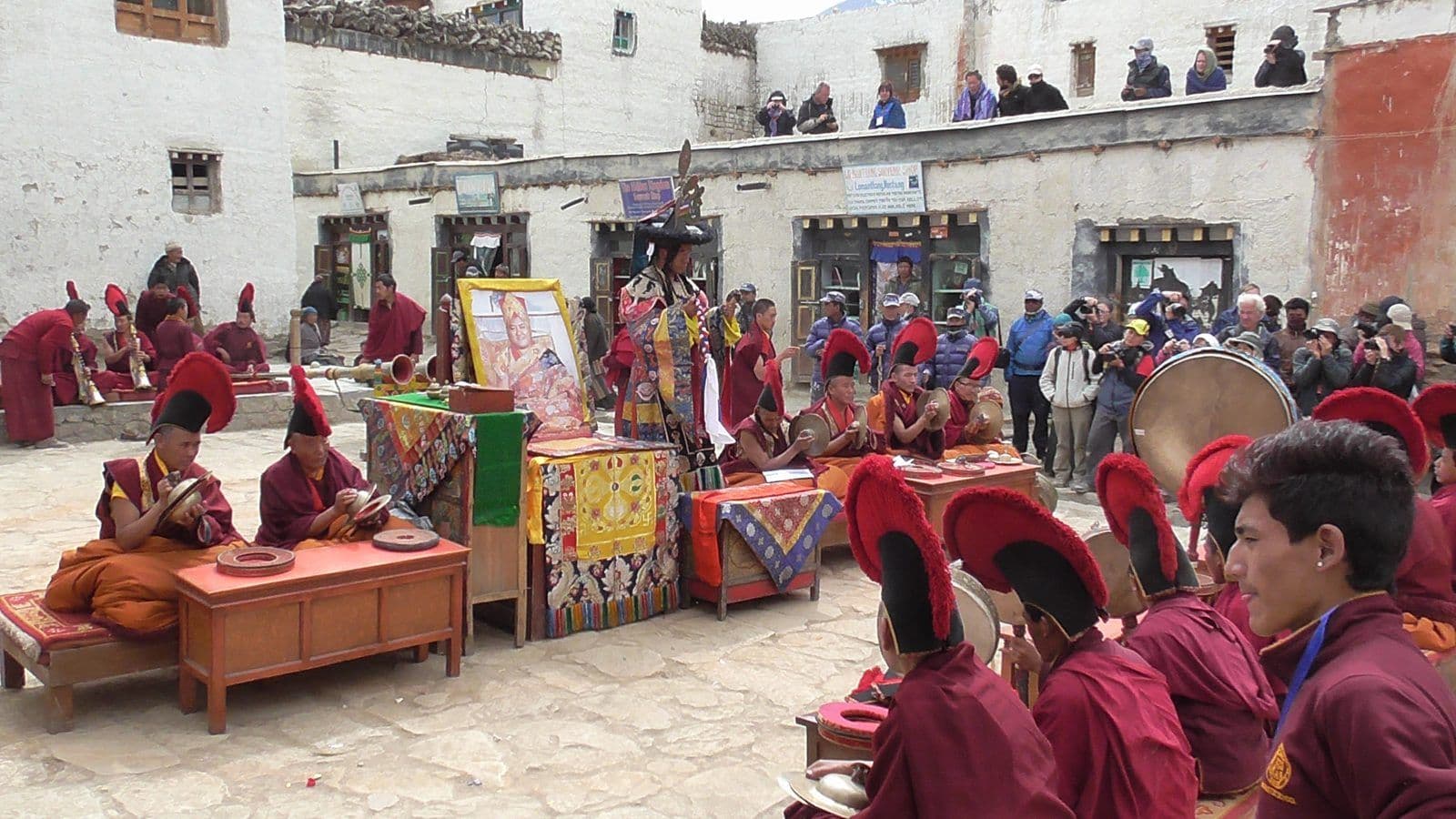
Lo Manthang, Upper Mustang
Masked ritual dances fill Lo Manthang during this important Tibetan Buddhist festival. Restricted-area permits and limited accommodation make early planning essential.
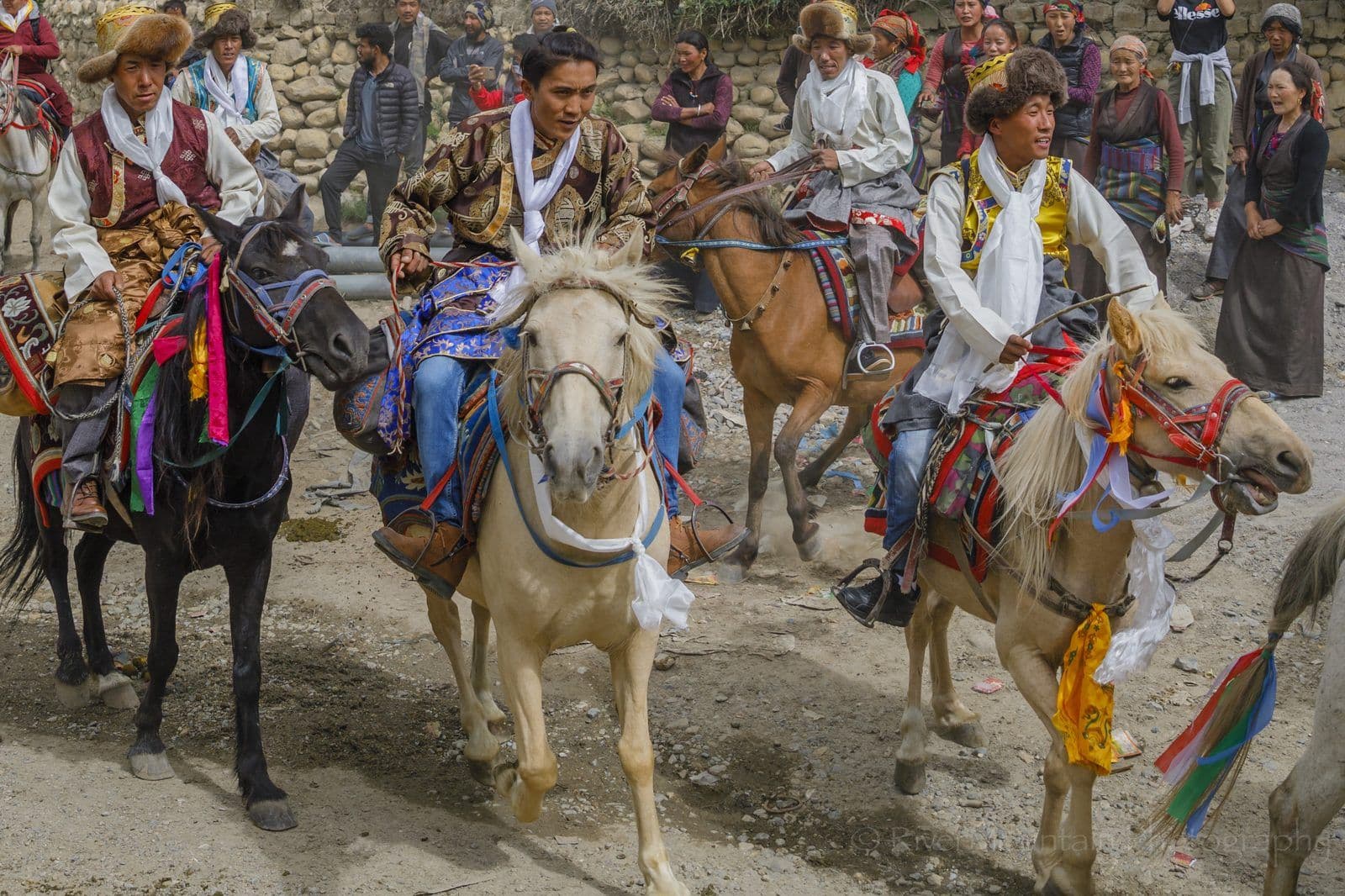
Manang & Mustang
Horse racing, archery, blessings, and village celebrations mark Yartung. Manang and Mustang hold distinct festivals, so the exact place and date must be confirmed first.
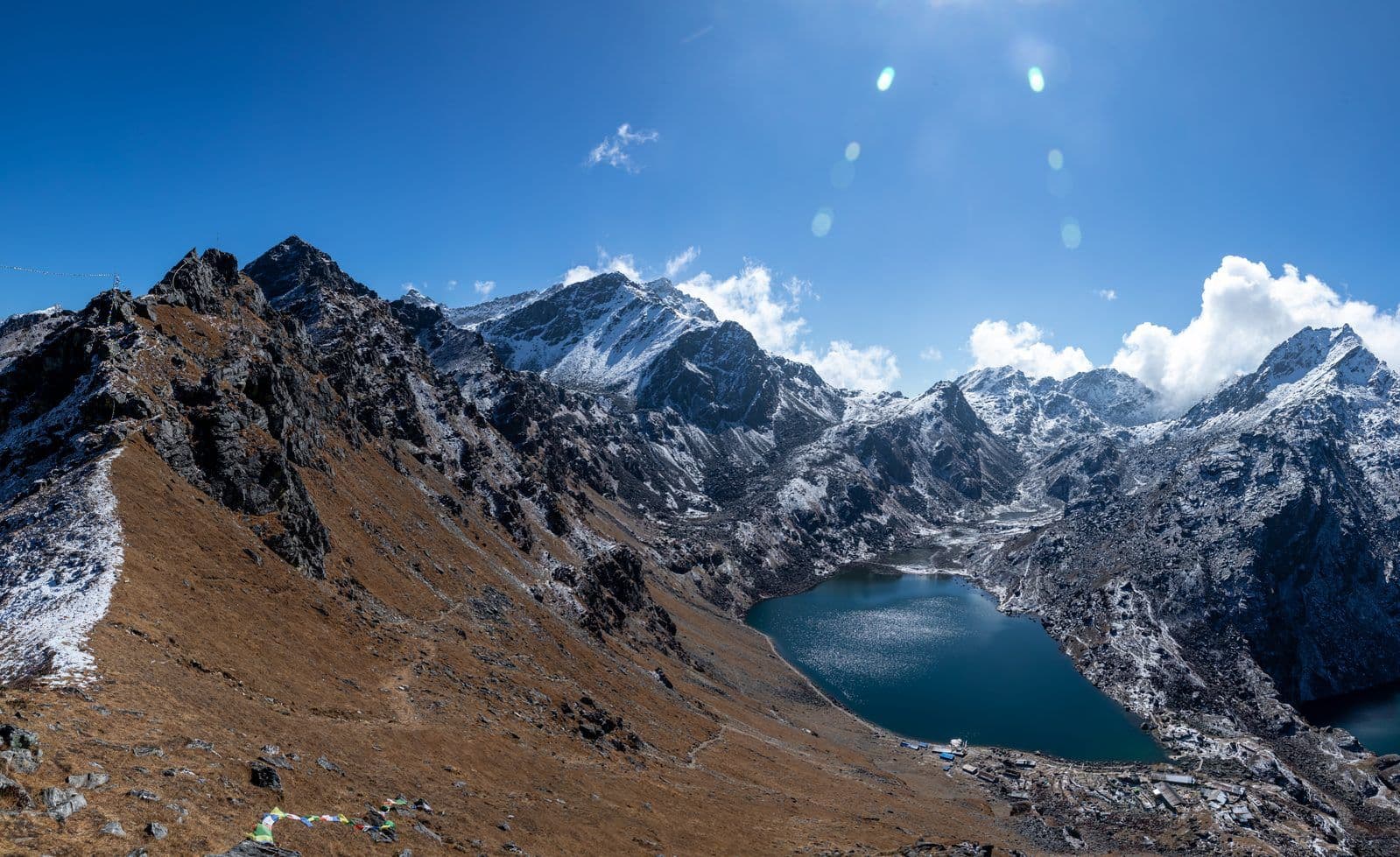
Gosainkunda, Langtang
Thousands of pilgrims climb to sacred Gosainkunda at 4,380 metres to bathe on the full moon. It is a genuine high-altitude pilgrimage that requires careful acclimatisation.
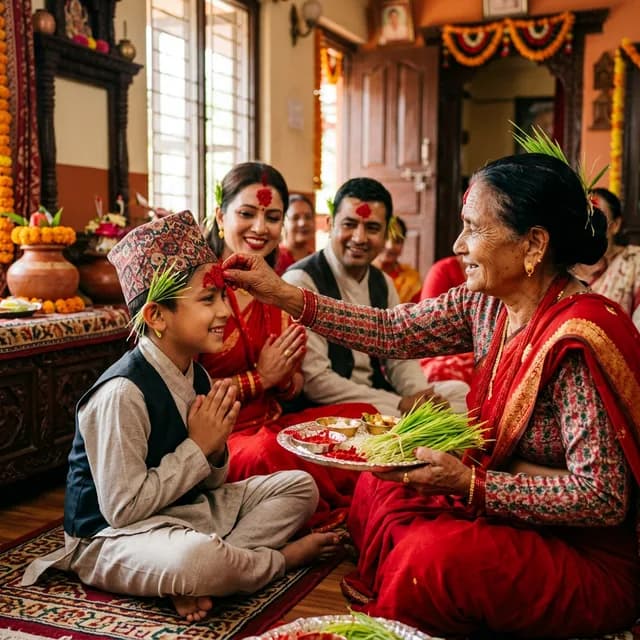
Nationwide, Nepal
Nepal's grandest festival spanning 15 days. Families reunite, kites fill the skies, and the rhythmic swing of bamboo "ping" brings joy to every village. Receive tika and jamara blessings from elders a tradition over a thousand years old.
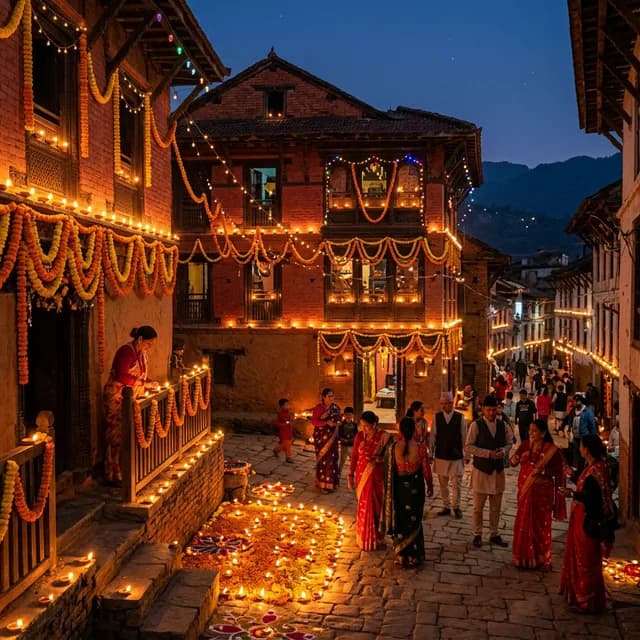
Nationwide, Nepal
The Festival of Lights honouring crows, dogs, cows, and Laxmi the goddess of wealth. Streets glow with oil lamps and marigold garlands. Brothers and sisters celebrate Bhai Tika with coloured tikka and sweets.
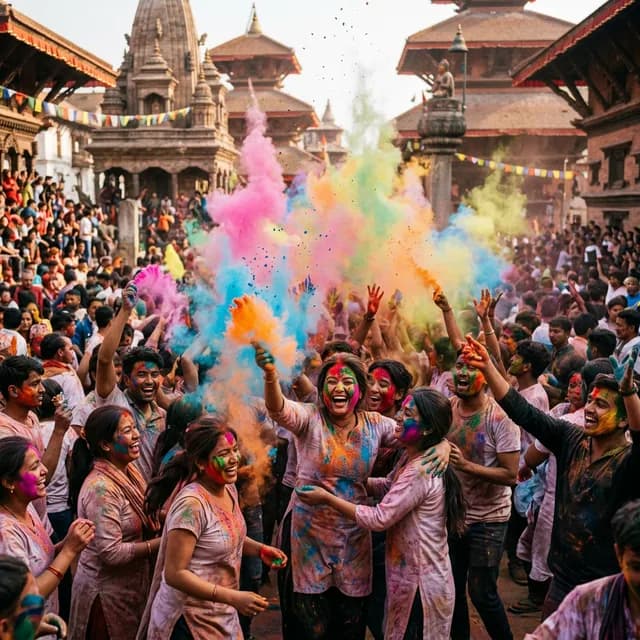
Kathmandu & Terai
The festival of colours marks the arrival of spring. Streets erupt into clouds of gulal powder, water balloons fly, and music blares from every rooftop. A joyful, chaotic celebration of new beginnings.
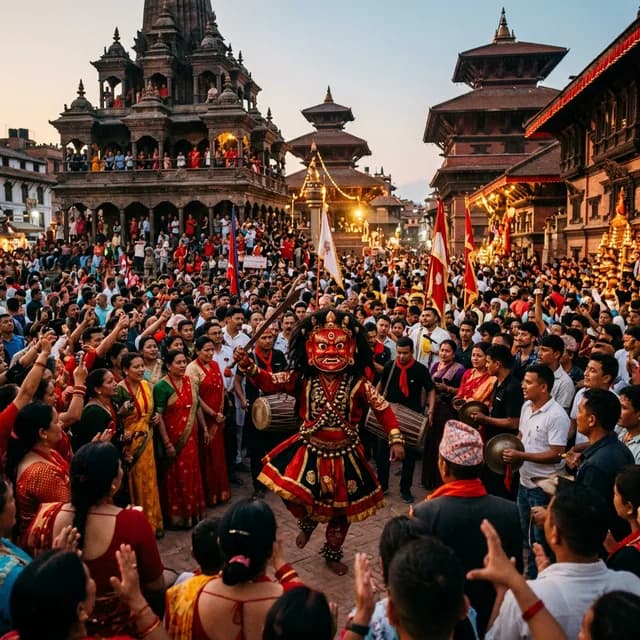
Kathmandu Durbar Square
Kathmandu's most spectacular street festival. Masked dancers, the living goddess Kumari's chariot procession, and towering lingo poles create an electrifying atmosphere in the ancient Durbar Square.
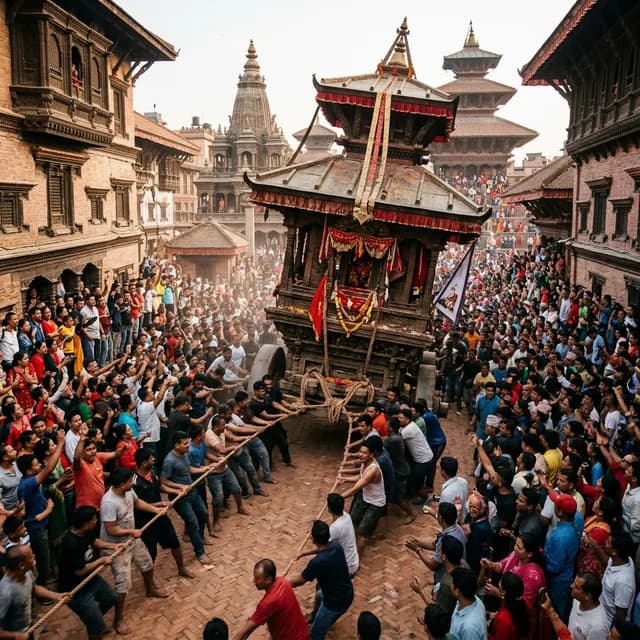
Bhaktapur
Bhaktapur's wild Nepali New Year celebration. Massive chariots are pulled through narrow medieval streets in a tug-of-war between neighbourhoods, while a towering lingo pole crash signals the start of a new year.
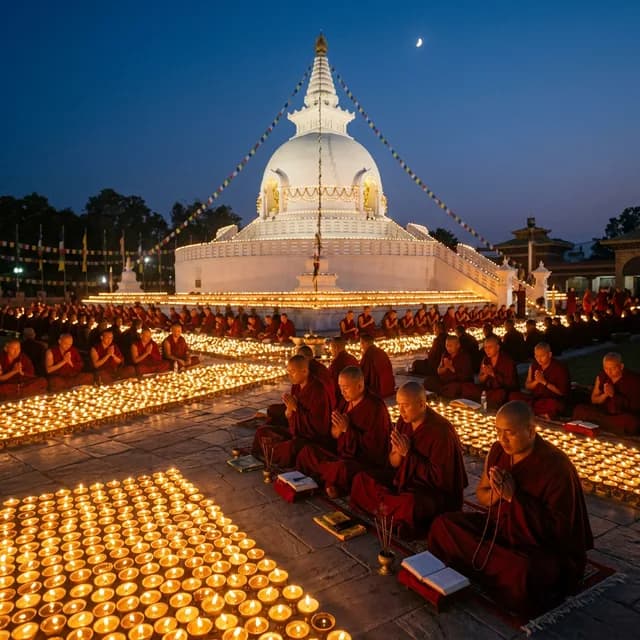
Lumbini & Boudhanath
Celebrating the birth of Siddhartha Gautama at Lumbini, his birthplace. Thousands of monks chant, butter lamps illuminate stupas, and pilgrims from across the world gather for this serene, spiritual festival.
Every review below is reproduced in full, in the reviewer's own words, exactly as they left it on Google or Tripadvisor.
“I recently visited Nepal with my friend and we completed the Langtang Valley Trek with Love Himalayan Journey. It was an amazing experience from start to finish.
Our guide, Krishna, was very helpful, friendly, and professional throughout the trek. He always made sure we were safe, comfortable, and enjoying the journey. His knowledge of the mountains, local culture, and trekking routes made the trip even more special.
The scenery in Langtang Valley was absolutely beautiful, and everything was well organized. We were also very happy with the price, which was excellent value for the quality of service we received.
I highly recommend Love Himalayan Journey to anyone planning a trek in Nepal. Thank you to Krishna and the whole team for making our trip unforgettable!”
Review on Google
“I had an incredible experience trekking to Everest Base Camp with Love Himalaya Journey. From the first inquiry until the end of the trek, the company provided excellent service and made sure everything was well organized. The itinerary, accommodations, transportation, and trekking arrangements were all handled professionally.
A big thank you to our guide, Ram, who was outstanding throughout the entire journey. He was knowledgeable, kind, and always willing to help. He kept a comfortable pace, checked on everyone's health regularly, and made sure we acclimatized properly. His positive attitude and experience made the trek much more enjoyable.
The scenery in the Everest region was simply breathtaking. Every day we enjoyed spectacular views of snow-capped mountains, traditional Sherpa villages, suspension bridges, and beautiful monasteries. Reaching Everest Base Camp was an unforgettable achievement, and the sunrise from Kala Patthar was one of the most beautiful sights I have ever seen.
One thing I really appreciated was the excellent value for money. Love Himalaya Journey offered a very competitive price while providing outstanding service. There were no hidden surprises, and everything was exactly as promised.
I would highly recommend Love Himalaya Journey to anyone planning an Everest Base Camp Trek. If you are lucky enough to have Ram as your guide, you can be confident that you are in safe and experienced hands.”
Review on Google
“I recently completed the Everest Base Camp Trek with Love Himalaya Journey, and it was an unforgettable experience from start to finish. Everything was well organized, and the company made the entire trip smooth, comfortable, and enjoyable.
A special thanks to our guide, Ram, who was incredibly friendly, professional, and helpful throughout the trek. He always made sure everyone was safe, comfortable, and well acclimatized. His knowledge of the Everest region, local culture, and mountain trails made the journey even more interesting. He was always patient, encouraging, and happy to answer any questions we had.
The trek itself was absolutely breathtaking. Walking through beautiful Sherpa villages, crossing suspension bridges, visiting ancient monasteries, and finally reaching Everest Base Camp was a dream come true. The sunrise view from Kala Patthar overlooking Mount Everest was one of the most unforgettable moments of my life.
I was also impressed by the company's pricing. Love Himalaya Journey offered an excellent package at a very reasonable price without compromising on the quality of service. The accommodations, meals, and overall organization exceeded my expectations.
I highly recommend Love Himalaya Journey to anyone planning an Everest Base Camp Trek. If you have the chance to trek with Guide Ram, you will be in great hands. His kindness, professionalism, and dedication made this adventure even more memorable.”
Review on Tripadvisor
“The local guide was very friendly and know a lot about the place. All cost were transparent and budget friendly. Totally satisfied and recommend other too.
PS: the guide was yoga instructor too, it was amazing experience to do some yoga in the mountains.”
Review on Tripadvisor
 Explore Stories


Learn practical tips for smarter, smoother travel. From packing guides to altitude advice, our blog helps you prepare for every step of your Himalayan adventure.
Discover all blogsHonest answers first. If something is missing, the contact form routes directly to the CEO.
It is a challenging trek, mainly because of Thorong La at 5,416 m, not because of technical difficulty. There is no climbing or rope work. What makes it hard is a run of long walking days, big daily climbs and descents, and one high pass crossed on a pre-dawn start. If you are fit enough to walk six to eight hours on consecutive days and you respect the acclimatisation pacing, it is within reach for a determined first-time high-altitude trekker on the right tier. The pass day is the hardest, around eight to nine hours with a climb to 5,416 m and a long descent after.
Our fourteen-day trek runs from 1,040 to 1,695 USD per person on The Trail and The Journey, depending on group size, and from 2,350 to 3,150 USD on the private Transformation. Credible Nepal-based operators sit around 1,450 USD all-inclusive, and we price The Journey in that band. Watch for headline prices that leave out the porter or your lunches. We show you exactly what is in and what is out.
Every booking starts with an inquiry through the contact form or a direct email to the CEO. Within 4 hours (during Nepal operating hours, 8 AM–8 PM, 7 days a week in trekking season), a real person from the LHJ team replies. From there: 1) A call or email to confirm the trek, the tier, the dates, and anything specific to you. We verify that your travel insurance covers helicopter evacuation in Nepal this is a hard requirement. 2) Once everything is clear, we send a Stripe invoice for a 25% deposit. The deposit holds your spot and starts the pre-trek communication sequence. 3) The remaining balance is due 14 days before the trek start date. 4) On arrival in Kathmandu, we handle airport pickup in a private vehicle and deliver the LHJ Welcome Kit. The half-day Kathmandu Pre-Trek Altitude Preparation Session happens the day before the trek begins. There is no booking engine, no automated confirmation email, and no chatbot. The manual process is deliberate it is the only way to know whether we are the right fit for what you are trying to do.
Our tiers do not scale amenities. They scale how much friction we absorb on your behalf. Safety is identical across all three tiers pulse oximeter monitoring, the Two-Tier Altitude Protocol, supplemental oxygen, satellite phone above 4,000m, and pre-arranged helicopter evacuation are the same whether you pay $1,450 or $6,000. The Trail ($1,450). A fixed-date departure with up to 7 other trekkers on a group departure date that we publish in advance. Clean teahouses selected for hygiene and location. Full safety protocol, full Kathmandu Pre-Trek Session, Silent Hiking and co-practice, ethical porter support at a 1:4 ratio. You join our schedule; we handle the rest. The Journey ($2,250). A private departure on the dates you choose with only your own group of 1–8. Upgraded lodges below 4,000m where infrastructure permits attached bathrooms, heated rooms, varied menus. Flex days explicitly built in for acclimatization or exploration. A post-trek Traditional Nepali Recovery Massage in Kathmandu. Cultural access at confirmed relationship waypoints. This is the recommended product for most travelers. The Transformation (from $3,800 custom). Every element is designed in consultation. Private group only. Premium lodges where infrastructure permits. Optional dedicated altitude specialist who accompanies the group. Optional dedicated trek photographer so you can stay off your phone. Deeper cultural access. Optional helicopter return from Lukla. Every Transformation begins with a conversation there is no single price because there is no single package. The question to ask yourself: "How much friction do I want LHJ to absorb?" If you want logistics and safety handled and you are comfortable walking at a group pace on a group schedule, The Trail is right for you. If you want your own schedule, upgraded sleep, flex days, and a proper bookend to the experience, The Journey is right for you. If you want the experience fully designed around what will make the trip yours, The Transformation is right for you.
It is a moderate trek with a few genuinely demanding parts, not a technical climb. The hardest day is the climb from Deurali through Machhapuchhre Base Camp to Annapurna Base Camp at 4,130 m, close to 900 m of gain in one push. The other test is the long stone staircase below Chhomrong, thousands of steps down and back up. You do not need climbing skills, but you should be comfortable walking five to seven hours a day on steep steps for several days in a row. Trekking poles help, especially on the way down.
This is the hardest trek we run. It is strenuous not because of technical climbing but because of what it stacks together: Everest Base Camp, Kala Patthar at 5,545 m, the glaciated Cho La Pass at 5,420 m and Gokyo Ri at 5,357 m, across about two weeks of walking with several long days. The Cho La day is the hardest: a pre-dawn start, a steep climb, a glaciated section on crampons or microspikes, and a careful descent, around eight hours in all. You should be fit enough to walk six to eight hours on consecutive days and, ideally, have been at altitude before. There is no rope work, but the altitude and the sustained days are real.