Skip to content
Annapurna Base Camp Trek
Annapurna Region Route

Annapurna Base Camp Trek

Trek into the Annapurna Sanctuary to Base Camp at 4130 m. Honest pacing on the hardest day, meals included, three tiers, same safety.

Duration7-12 days
Max Altitude4,130m
DifficultyModerate
Group SizeMax 8
Best Seasonspring & autumn
Tour TypeTrekking

Into the Annapurna Sanctuary to Base Camp, paced for the altitude

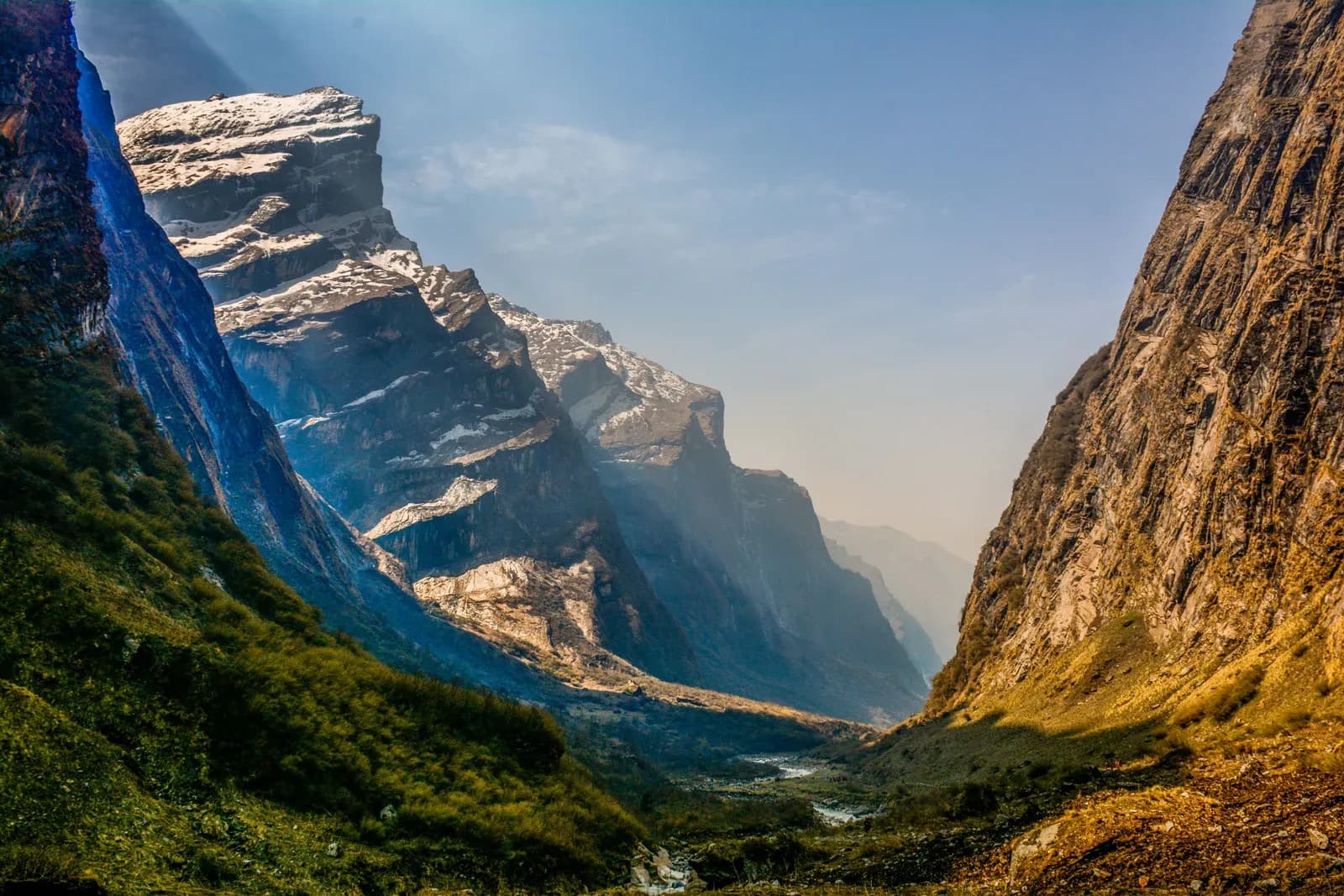
A direct walk into the glacial amphitheatre below Annapurna I, to Base Camp at 4130 m. We are honest about which sections you drive, which you walk, and why the Base Camp day deserves respect.

Max altitude4130 m at Annapurna Base Camp
AcclimatisationBase Camp day paced; extra night on Transformation
Best seasonsSpring and autumn

Trip Highlights

  • Stand in the Annapurna Sanctuary at Base Camp, 4130 m, ringed by an amphitheatre of peaks
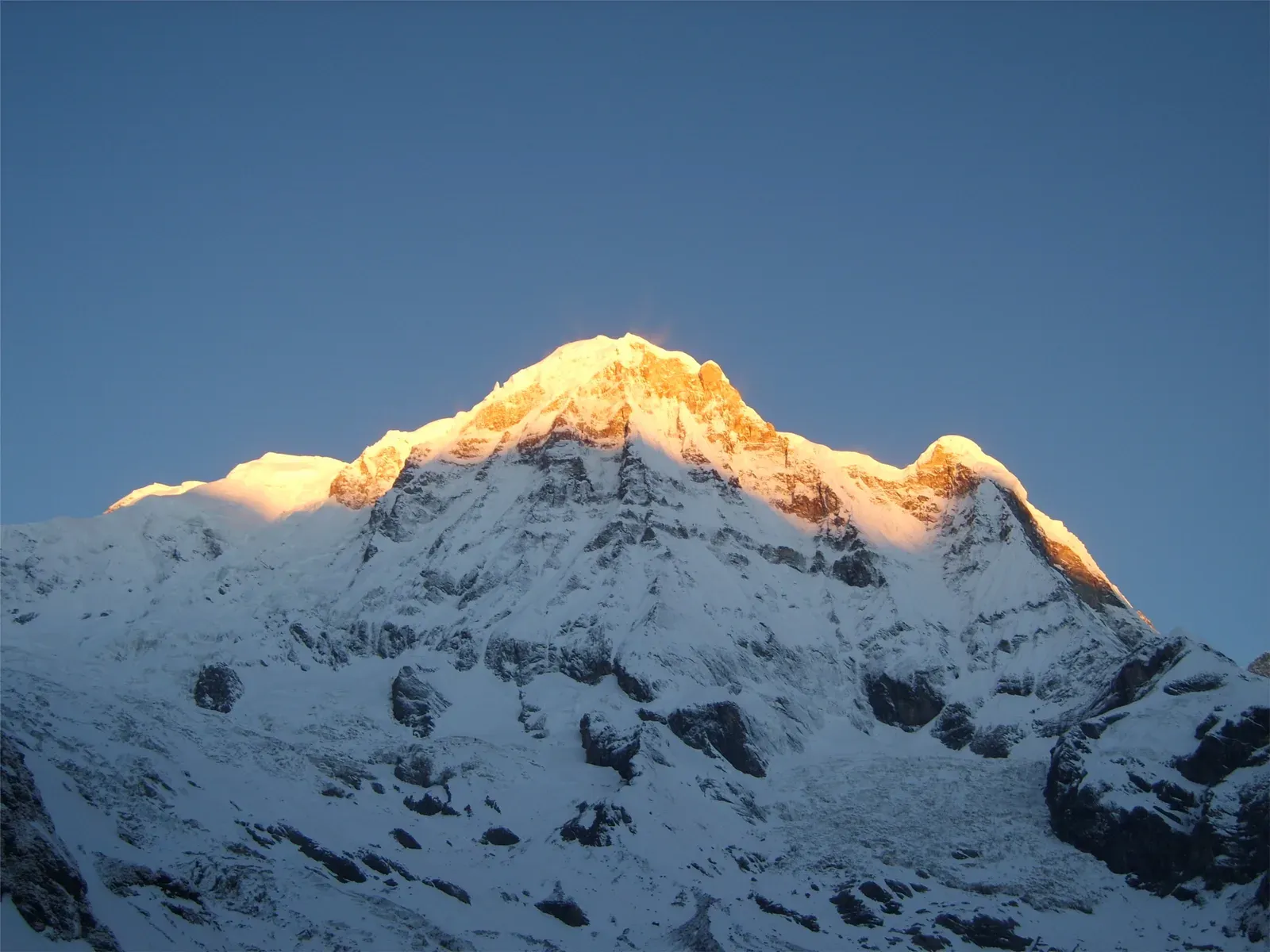
  • The south face of Annapurna I at 8091 m directly above Base Camp
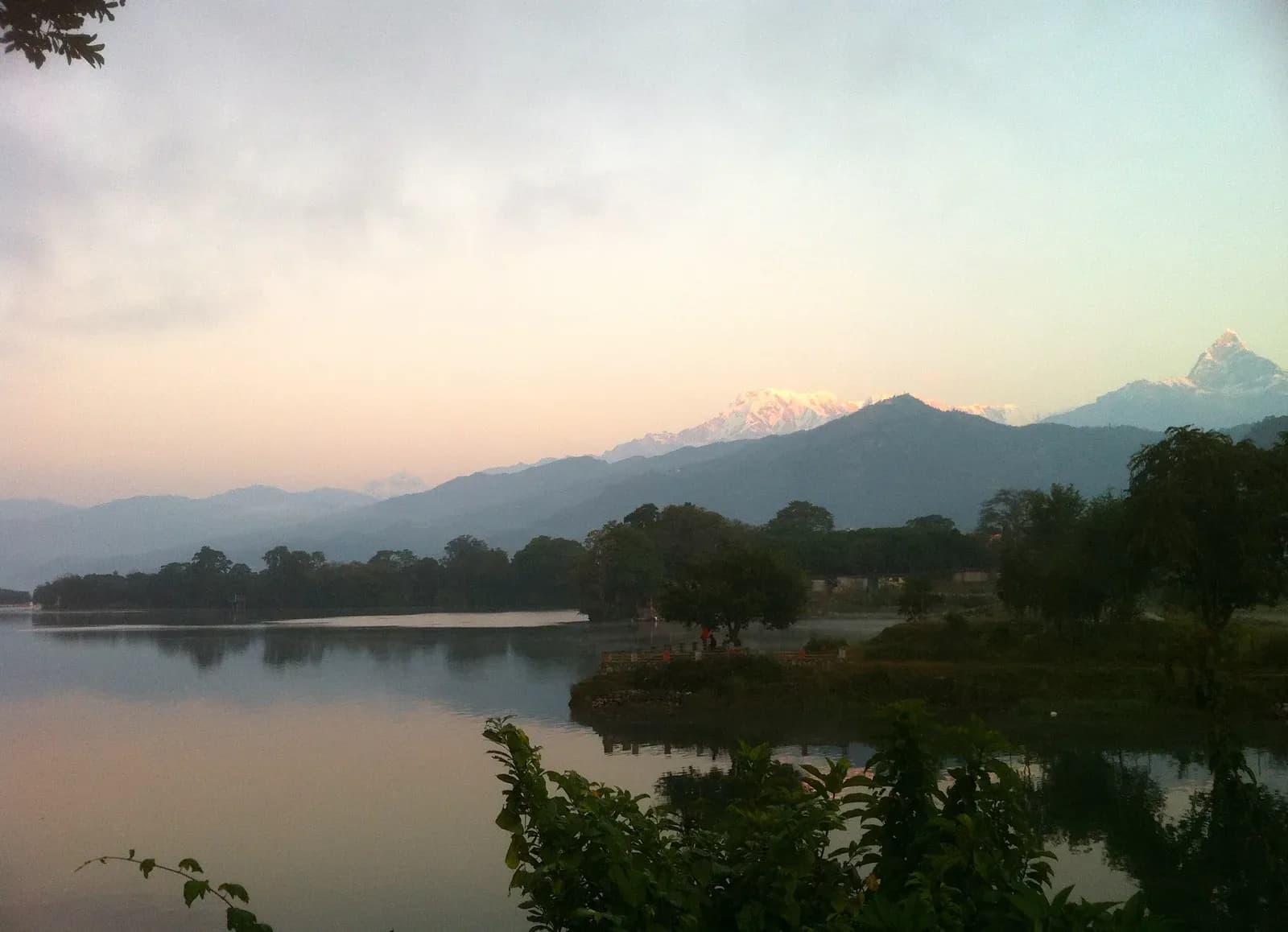
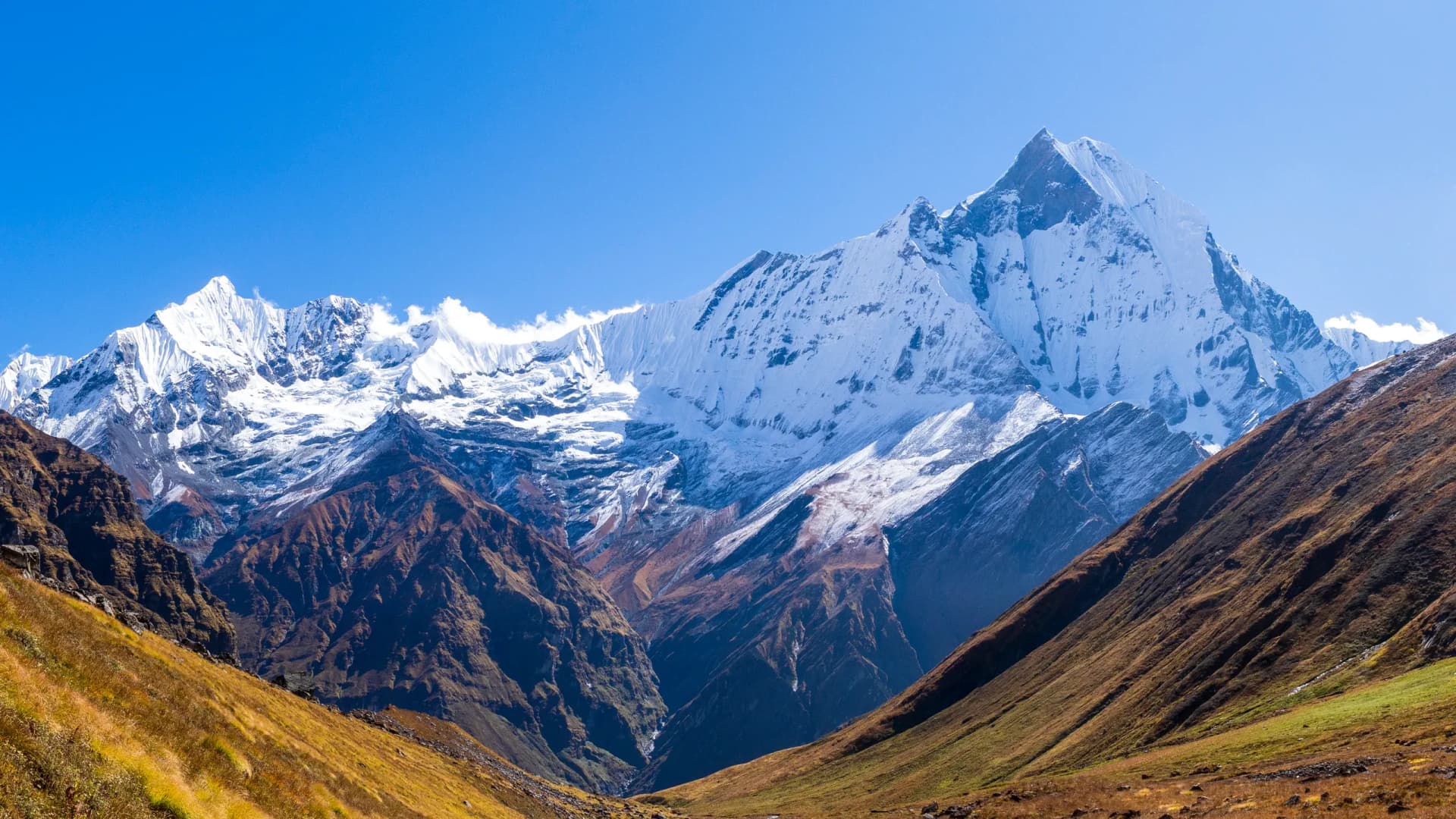
  • Machhapuchhre, the sacred Fishtail, from Machhapuchhre Base Camp
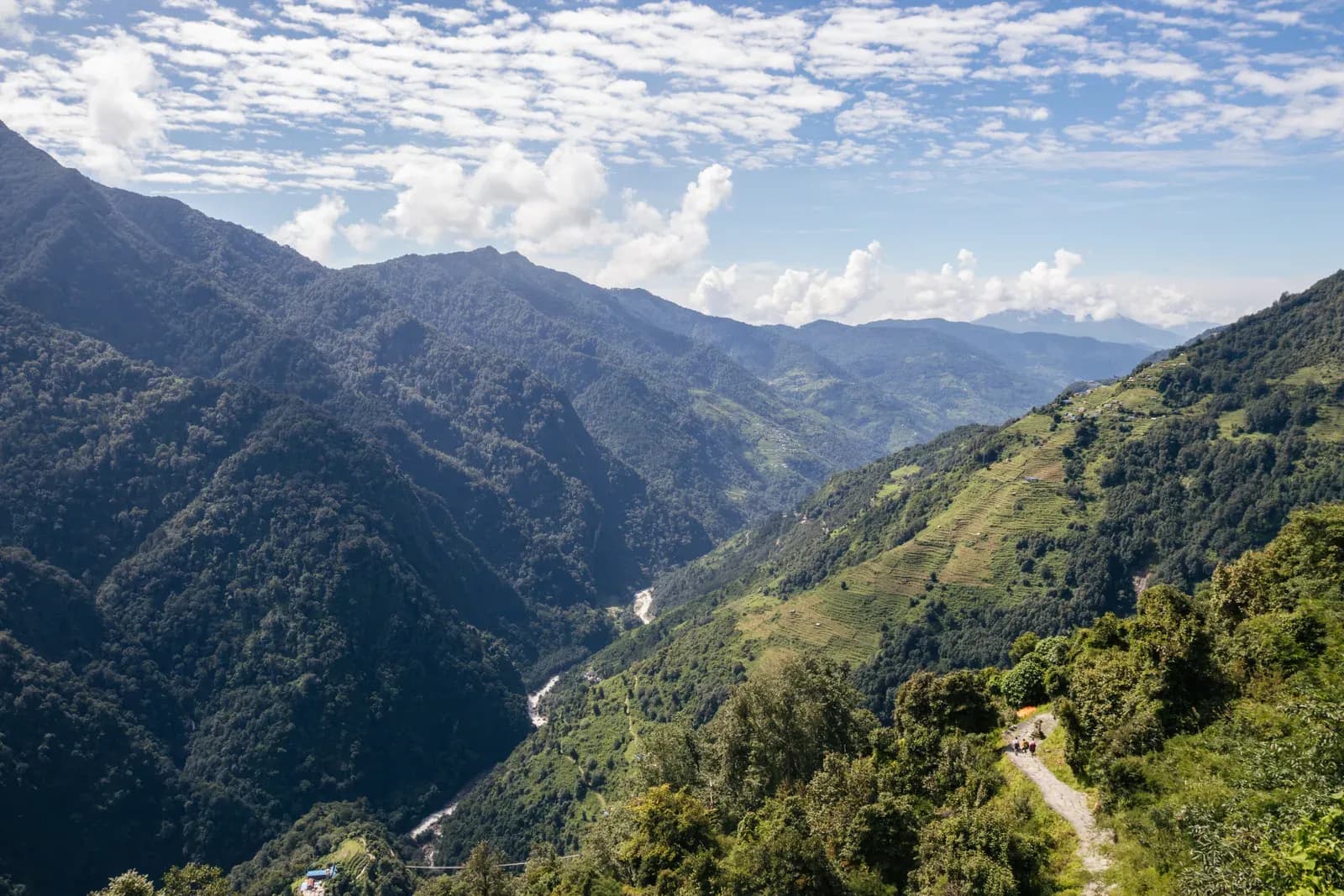
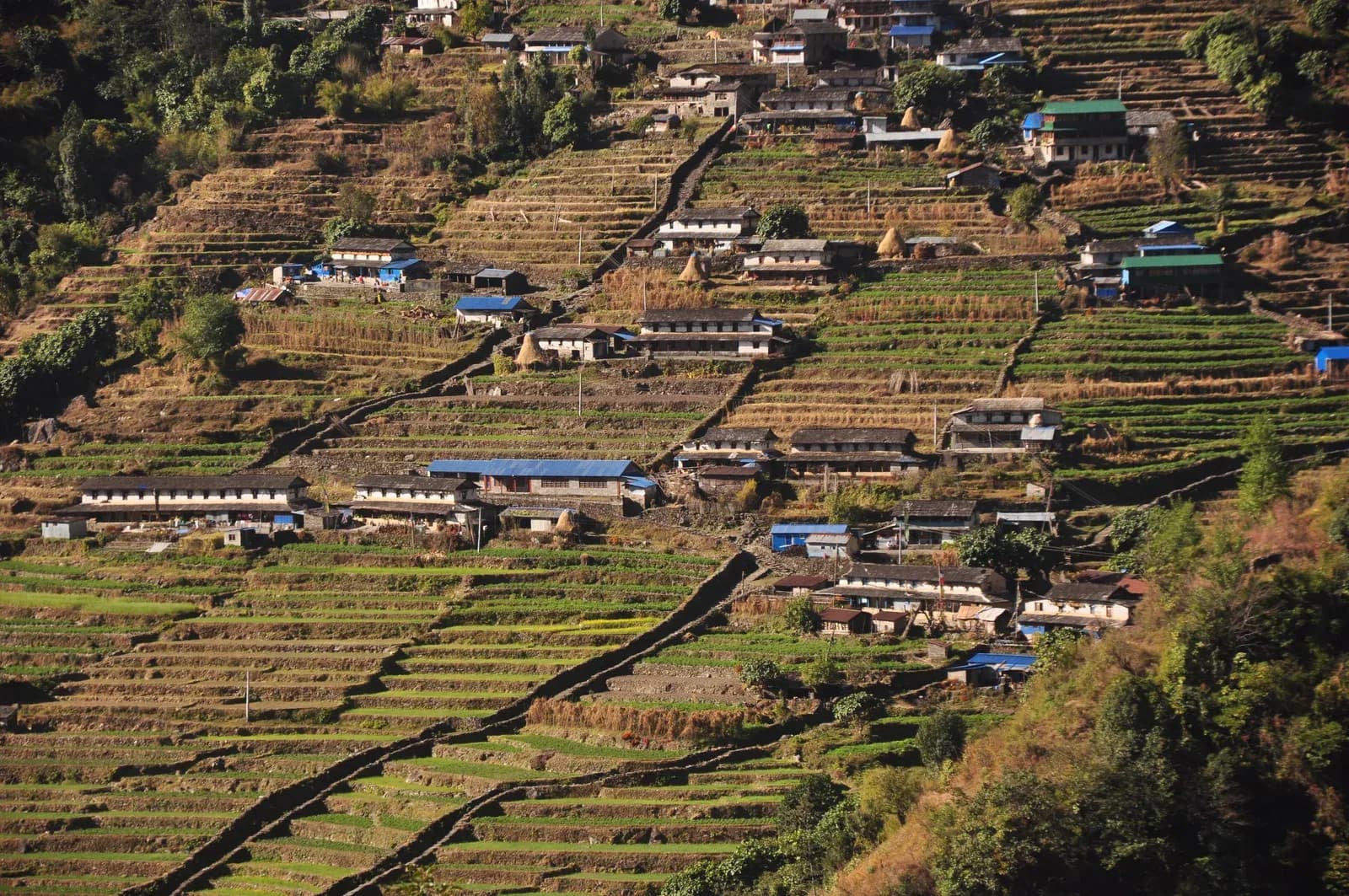
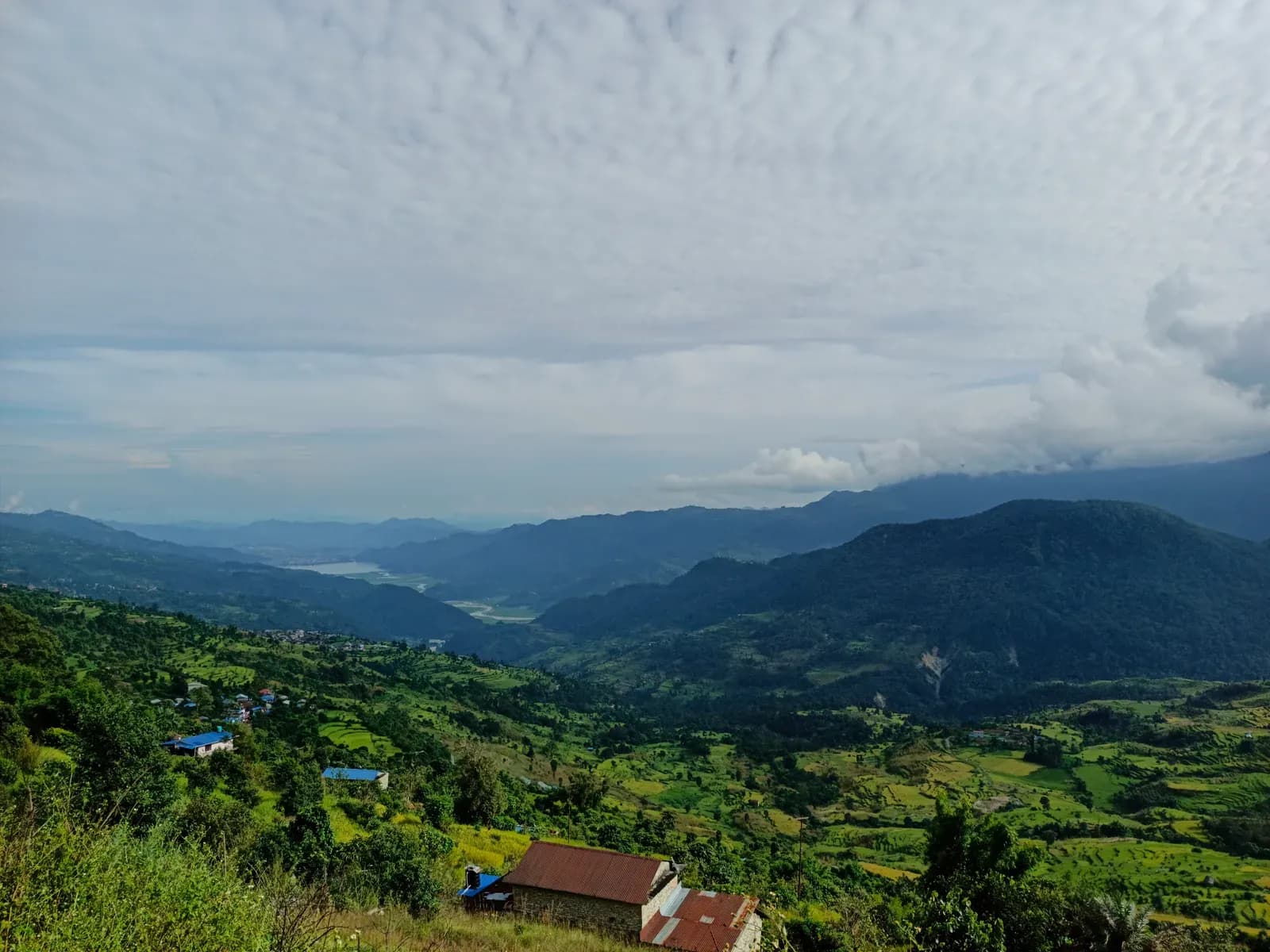
  • Gurung villages, terraced fields and rhododendron forest on the climb in
  • The hot springs at Jhinu Danda on the way down, beside the Modi Khola
  • Meals included on every tier, so the price you see is closer to the price you pay
  • Honest road-vs-walk disclosure on every day, so you know exactly what you are signing up for
  • The Base Camp day paced for the altitude, not rushed for the brochure
What to know before you book
01
What is hard

The Base Camp day. Deurali up through Machhapuchhre Base Camp to Annapurna Base Camp at 4130 m, close to 900 m of gain in one push, then a long descent the next morning. Six to seven hours, the defining day of the trek.

02
The altitude reality

This is a short trek that still reaches 4130 m. The climb to Base Camp is faster than standard acclimatisation guidance prefers, so pacing and the Machhapuchhre Base Camp approach matter. The Transformation adds a second night for more margin. Altitude affects everyone regardless of fitness.

03
Road vs walk

The road now reaches Siwai and Jhinu, so the lower valley can be driven. Every tier jeeps in and out at the trailhead; you walk the Sanctuary itself. We state exactly which sections are road and which are trail.

04
Avalanche awareness

The Dovan to Deurali to Machhapuchhre Base Camp stretch can carry avalanche and landslide risk in heavy snow or after rain. Timing and guide judgement manage this. It is a real seasonal factor, not a brochure detail.

05
Comfort, honestly

Rooms improve in the lower villages on the upgraded tiers. At Deurali, Machhapuchhre Base Camp and Annapurna Base Camp, accommodation is basic for everyone regardless of tier. We do not pretend otherwise.

06
Who it suits

Walkers comfortable with several consecutive days on steep stone staircases and one high day. No technical climbing. A reasonable first Himalayan trek on the right tier, with honest pacing.

What's Included & Excluded

Price Includes

  • Annapurna Conservation Area Permit (ACAP)
  • Licensed trekking guide
  • Teahouse accommodation
  • Meals on the trek
  • Ground transport per itinerary
  • Fair porter and guide treatment

Price Excludes

  • International flights
  • Nepal entry visa
  • Travel insurance with high-altitude evacuation cover
  • Lunch on The Trail
  • Porter on The Trail
  • Kathmandu and Pokhara hotels on The Trail
  • Tips for guide and porter
  • Drinks, hot showers, charging and wifi at altitude
  • Add-ons
Optional extension

Add-on - Helicopter Return from Base Camp

Swap the long descent for a flight out from the Sanctuary, available on any tier. A time-saver or a knee-saver, offered honestly as an option, never as the point of the trek.

  • A scenic helicopter flight from the Annapurna Base Camp area down to Pokhara
  • Saves the two descent days back to the trailhead
  • Subject to weather and minimum passenger numbers on the day
Shared helicopter from around 500 USD per person. Contact us for more details.

Weather-dependent and not guaranteed. Mountain flights cancel or delay for cloud and wind, so a road descent must stay possible as the fallback.

Build your trek

Pick a tier, set your group size, and choose a preferred departure. The number you see here is the number we receive.

Same safety floor across all three. What changes is lodging, pace, privacy, and how much planning we absorb for you.

What's in The Trail

2 included · 3 not included

  • Breakfast and dinner includedTwo meals a day on the trek; lunch on your own for flexibility on driving and walking days
  • ACAP permit arrangedThe Annapurna Conservation Area Permit, the required permit for this trek, arranged for you
  • PorterOptional add-on, around 20 to 25 USD per day; on the steep staircases a porter is a real help, not just comfort
  • Lunch on the trekAvailable from The Journey upward, where full board is included
  • Upgraded lower-village roomsAvailable from The Journey upward, where infrastructure permits

Frequently Asked Questions

It is a moderate trek with a few genuinely demanding parts, not a technical climb. The hardest single day is the climb from Deurali through Machhapuchhre Base Camp to Annapurna Base Camp at 4130 m, close to 900 m of gain in one push. The other tester is the long stone staircase below Chhomrong, thousands of steps down and back up. You do not need climbing skills, but you should be comfortable walking five to seven hours a day on steep steps for several days in a row. Trekking poles help, especially on the long descent.

Base Camp is 4130 m, lower than the big pass treks, but the climb to it is fast, so altitude still has to be respected. The gain from Deurali to Base Camp is close to 900 m in a day, which is quicker than the standard guidance of around 500 m of sleeping-altitude gain. We manage this with deliberate pacing, the Machhapuchhre Base Camp stop, and watching everyone for symptoms. The Transformation tier adds a second acclimatisation night for more margin. Altitude affects people regardless of fitness, so tell your guide how you feel and be willing to slow down. If symptoms are serious, the correct response is to descend, and descent here is straightforward.

Yes. Since 2023 a licensed guide is required to trek in Nepal's national parks and conservation areas, including the Annapurna region, and this is enforced in 2026. You book through a registered agency rather than hiring privately. Beyond the rule, a guide matters on this route for the avalanche-aware timing of the Dovan to Deurali stretch, for altitude judgement on the Base Camp day, and for lodge coordination in the busy season. We include a licensed, insured guide on every tier.

It depends on how much of the lower route you walk versus drive, and whether you add anything. Our Trail is a 7-day trip door to door, Pokhara based, with around 5 to 6 active trekking days, jeeping in and out at the trailhead. The Journey is 10 days door to door with 7 active trekking days, including the Kathmandu to Pokhara travel. The Transformation is 12 days, adding a Ghorepani and Poon Hill start and a second acclimatisation night. We list both the door-to-door length, so you can book flights, and the active trekking days, so you know what you are actually walking.

The lower valley is a road now, and we are honest about it. A jeep takes you from Pokhara in to the trailhead at Siwai or Jhinu, and brings you back the same way, which replaces what used to be a day or more of lower walking. Everything from the trailhead up into the Sanctuary, through Chhomrong, Bamboo, Deurali and on to Base Camp, is walked on every tier; there is no road into the Sanctuary itself. We tell you exactly which sections are road and which are trail so there are no surprises at the trailhead.

You need the Annapurna Conservation Area Permit, the ACAP, which costs 3000 Nepalese rupees for foreign trekkers, roughly 25 US dollars, and we arrange it for you on every tier. It is the main document checked at trail checkpoints like Chhomrong. The TIMS card is not currently required or checked on the Annapurna Base Camp trail, even though it still appears in some older guides, so we do not charge you for one. Nepal's permit rules have changed before, so we confirm the current position at the start of each season. NEEDS VERIFICATION: reconfirm the ACAP fee and any change in TIMS status with operations before publishing exact figures each season.

Spring, from March to May, and autumn, from September to November, are the two main seasons. Autumn gives the clearest, most stable mountain weather and is the most popular. Spring brings rhododendron blooms on the forested sections lower down. Winter is possible but cold, with real avalanche risk on the approach to the Sanctuary after snow. The summer monsoon, June to August, brings rain, cloud, leeches in the forest and landslide risk on the roads, so we do not recommend it. The Dovan to Deurali stretch is the part most affected by snow and rain conditions, which is why timing and guide judgement matter on those days.

It depends on the tier, and we are clear about it because some operators quote a low headline price and leave food out. The Trail includes breakfast and dinner, with lunch on your own for flexibility on driving and walking days. The Journey and The Transformation include full board, all three meals. Food on the trail is simple teahouse cooking: the Nepali staple dal bhat of lentils, rice and vegetables, plus noodles, soups, momos, eggs and pancakes. Prices on the menus rise as you climb, because everything is carried up by porter, but on our included tiers that is already covered.

It can, on the right tier and with honest preparation. Base Camp at 4130 m is high but well below the big pass treks, the trek is relatively short, and the trail is well supported with teahouses, which makes it a popular first Himalayan trek. The main things to respect are the steep stone staircases, which are hard on legs not used to them, and the fast climb on the Base Camp day. A first-timer is well suited to The Journey, paced properly, or The Transformation with its extra acclimatisation night. Train by walking consecutive days with some hills beforehand, and on the trek itself, pace honestly and tell your guide how you feel.

Yes, a helicopter return from the Base Camp area down to Pokhara can be added on any tier, and it is a genuine option rather than the point of the trek. People choose it to save the two descent days or to spare tired knees. It is weather-dependent and shares with other passengers to keep the cost reasonable, so it is never guaranteed on a given day; mountain flights delay or cancel for cloud and wind, and a road descent has to stay possible as the fallback. Tell us at planning if you are interested and we will explain the current cost and how it works. NEEDS VERIFICATION: confirm the shared-heli price with the operator before quoting a figure.

Your Journey

Follow the trail from start to finish — every day is a new adventure.

The Journey is the canonical 10-day itinerary below. The Trail compresses it to a 7-day Pokhara-based trip by dropping the Kathmandu bookend days and tightening the lower-trail rest stops; it includes breakfast and dinner, with an optional porter. The Transformation extends it to 12 days by adding a Ghorepani and Poon Hill start, a second acclimatisation night before the Base Camp day, an assistant guide, and the best available lower-village rooms, run privately. Safety, the licensed guide, the Base Camp-day pacing and the descent protocol are identical on every tier.

Day 01
The Trail starts in PokharaKathmandu to Pokhara
easyKathmandu hotelBreakfast

Kathmandu to Pokhara

Sleep
822 m
High
1,400 m

The drive or flight west into the Annapurna foothills

ContextFirst views of the Annapurna skyline over Pokhara
SafetyA rest day to prepare before the trail
Day 02
Pokhara to Ghandruk by jeep and first walk
easyStandard teahouseBreakfastLunchDinner

Pokhara to Ghandruk by jeep and first walk

Distance
10 km
Walking
4 hrs
Sleep
1,940 m

The honest jeep ride to the Siwai trailhead

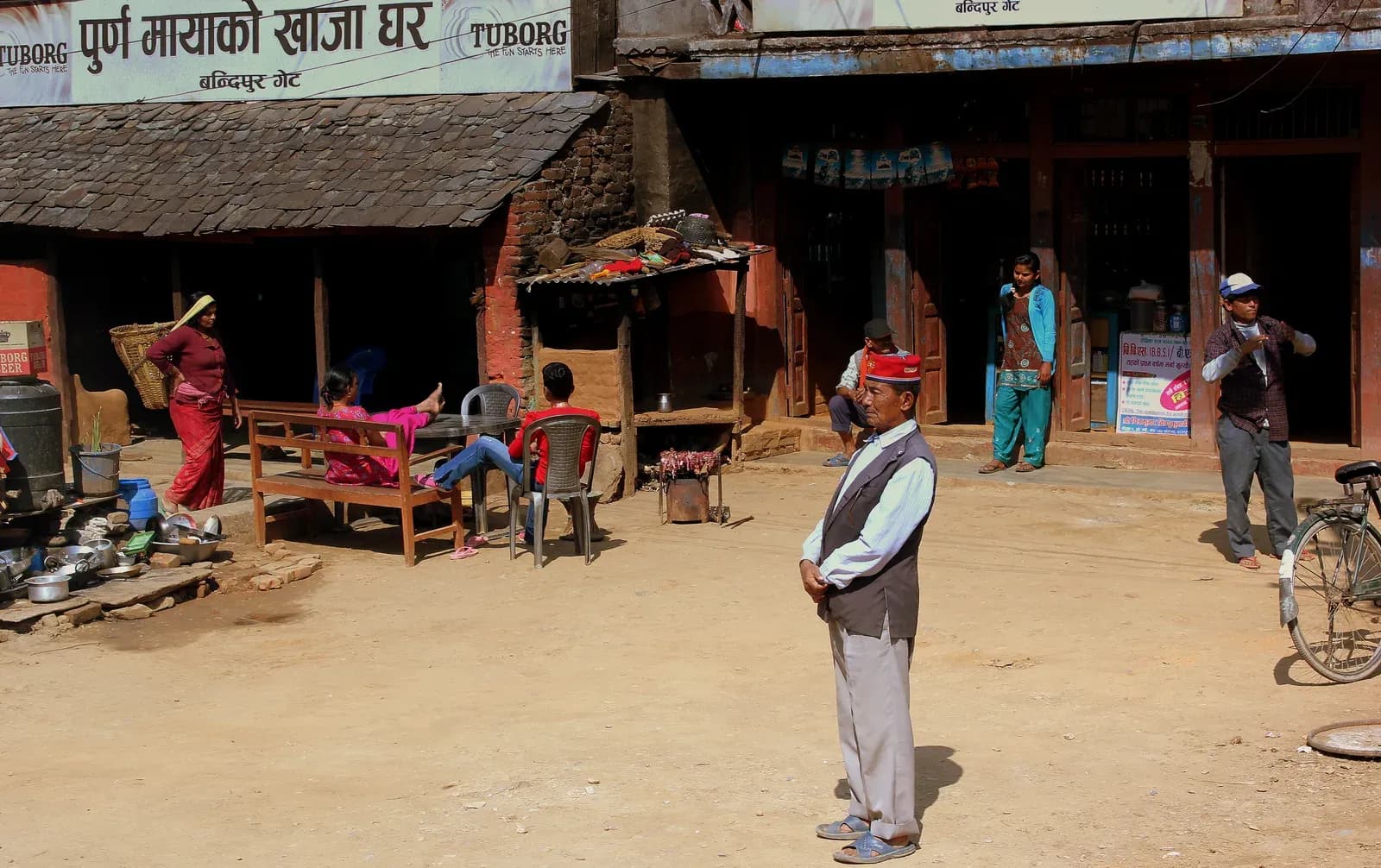
CultureThe Gurung village of Ghandruk with its stone houses
ContextFirst close views of Annapurna South and Hiunchuli
Day 03
Ghandruk to Chhomrong
moderateStandard teahouseBreakfastLunchDinner

Ghandruk to Chhomrong

Distance
10 km
Walking
5 hrs
Sleep
2,170 m
High
2,210 m

The first long stone staircases of the route

CultureChhomrong, the gateway village to the Sanctuary
ContextHead-on views of Annapurna South and Machhapuchhre
Day 04
Chhomrong to Bamboo
moderateStandard teahouseBreakfastLunchDinner

Chhomrong to Bamboo

Distance
9 km
Walking
5 hrs
Sleep
2,310 m
High
2,360 m

The long stone staircase below Chhomrong

RouteThe climb to Sinuwa and the forest beyond
RouteEntering the narrowing Modi Khola gorge
Day 05
Bamboo to Deurali
moderateStandard teahouseBreakfastLunchDinner

Bamboo to Deurali

Distance
12 km
Walking
6 hrs
Sleep
3,230 m

The narrowing gorge above Dovan with its waterfalls

AltitudeThe clear shift into high country by Deurali
SafetyThe first real sense of altitude on the route
Day 06
Deurali to Machhapuchhre Base Camp to Annapurna Base Camp
challengingStandard teahouseBreakfastLunchDinner

Deurali to Machhapuchhre Base Camp to Annapurna Base Camp

Distance
9 km
Walking
6 hrs
Sleep
4,130 m

Machhapuchhre Base Camp at around 3700 m on the way in

SafetyAbove 3,500 m: follow the altitude protocol.
AltitudeAnnapurna Base Camp at 4130 m in the glacial Sanctuary
ContextThe south face of Annapurna I directly above Base Camp
Day 07
Annapurna Base Camp to Bamboo
moderateStandard teahouseBreakfastLunchDinner

Annapurna Base Camp to Bamboo

Distance
16 km
Walking
6 hrs
Sleep
2,310 m
High
4,130 m

Sunrise on Annapurna I from Base Camp

SafetyThe long descent back through the Sanctuary
RouteDropping steadily back into the forest at Bamboo
Day 08
The Trail exits to Pokhara the same dayBamboo to Jhinu Danda and the hot springs
moderateStandard teahouseBreakfastLunchDinner

Bamboo to Jhinu Danda and the hot springs

On The Trail the higher jeep cut-in lets you reach the hot springs and continue out to the Siwai road and Pokhara in one day, rather than sleeping at Jhinu. It trims a night without cutting the Sanctuary itself, which is why The Trail runs seven days door to door rather than eight.
Distance
9 km
Walking
5 hrs
Sleep
1,780 m
High
2,360 m

The climb back over to Chhomrong

AltitudeThe natural hot springs beside the Modi Khola
ContextA warmer, lower night with the hard days behind you
Day 09
The Trail merges the exit into one dayJhinu Danda to Pokhara
easyKathmandu hotelBreakfastLunchDinner

Jhinu Danda to Pokhara

Distance
5 km
Walking
3 hrs
Sleep
822 m
High
1,780 m

The final walk down to the Siwai road

RoadThe jeep back along the valley to Pokhara
RouteA return to the lake and a well-earned rest
Day 10
The Trail finishes in PokharaPokhara to Kathmandu
easyBreakfast

Pokhara to Kathmandu

Sleep
1,400 m

The return drive or flight to Kathmandu

ContextA final afternoon to rest and repack
ContextAn honest travel day to close the trip
Quote$1,6002 trekkers