Skip to content
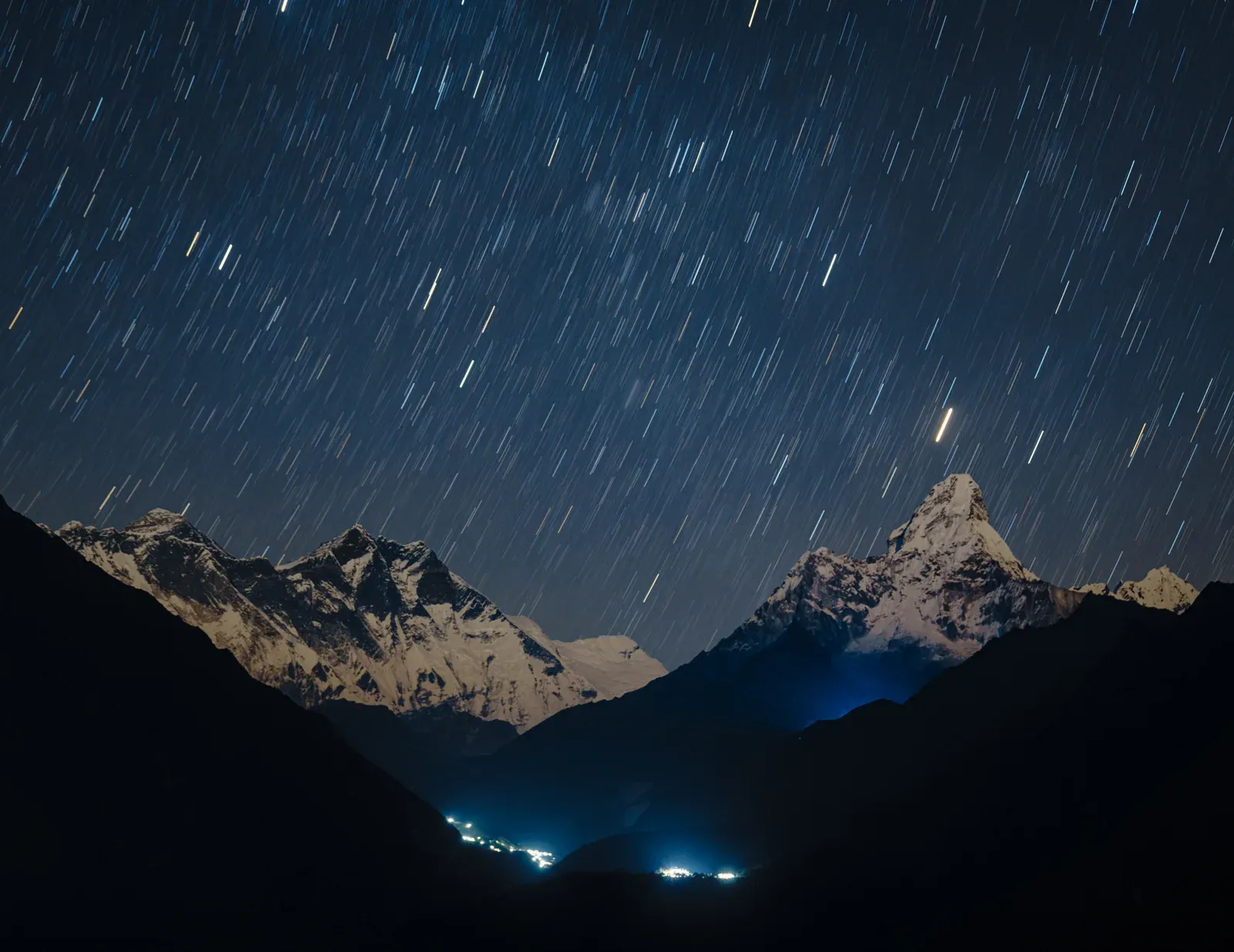
View of Everest from Kala Patthar at dawn on the Everest Base Camp trek.
Guided trek in Nepal

Everest Base Camp Trek

Fourteen days together from Lukla to the foot of Everest at 5,364 m, with two acclimatisation days on every tier and logistics told honestly.

Duration14-15 days
Max Altitude5,545m
DifficultyChallenging
Distance130 km
Group SizeMax 8
Best SeasonSpring & Autumn
01 / Route overview

The Khumbu's classic route, walked at a pace that respects the altitude

Fourteen days from Lukla to the foot of Everest and back. We hold two acclimatisation days on every tier, and we are honest about the flights, the lodges and the thin air from the first morning.
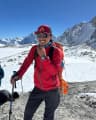
Updated 17 September 2026Route reviewed with Ang Dawa Sherpa, Love Himalaya Journey guide.
Max altitude5545 m at Kala Patthar
AcclimatisationTwo built-in days, every tier
Trekking days11 walking days, 5 to 7 hours

Trip highlights

  • Stand at Everest Base Camp, 5,364 m, at the foot of the Khumbu Icefall
  • Climb Kala Patthar, 5,545 m, for the classic dawn view of Everest
  • Acclimatise properly, with built-in days at Namche and Dingboche
  • Walk through the Sherpa heartland of Namche Bazaar and Khumjung
  • Reach Tengboche Monastery beneath Ama Dablam
  • Cross the high suspension bridges over the Dudh Koshi
  • Daily oxygen checks on a two-checkpoint altitude protocol
What to know before you book
01
What is physically hard

The challenge is altitude and accumulation, not technical ground. Expect five to seven hours of walking most days, a long 600 m climb into Namche, and a big high day to Base Camp and Kala Patthar on glacial moraine above 5,000 m.

02
The Lukla flight reality

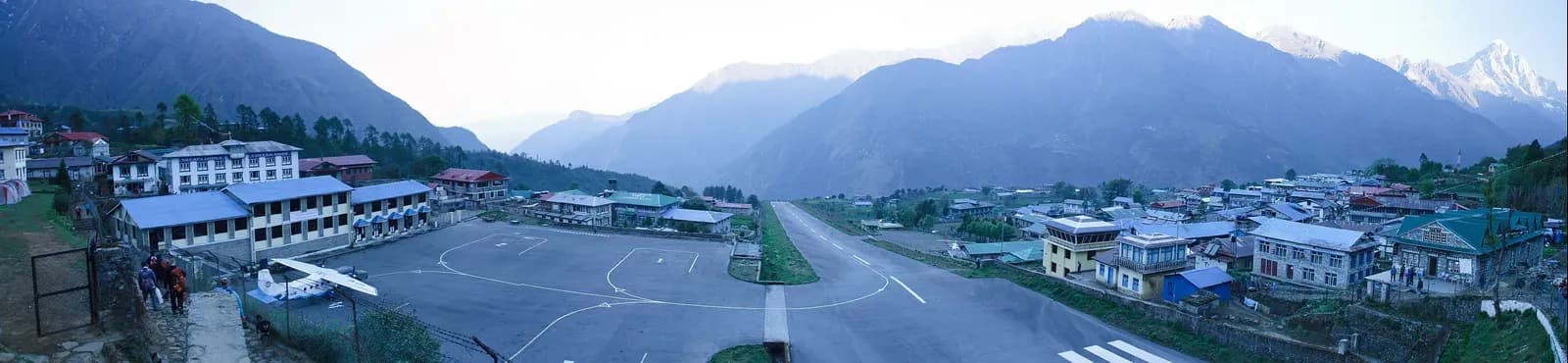
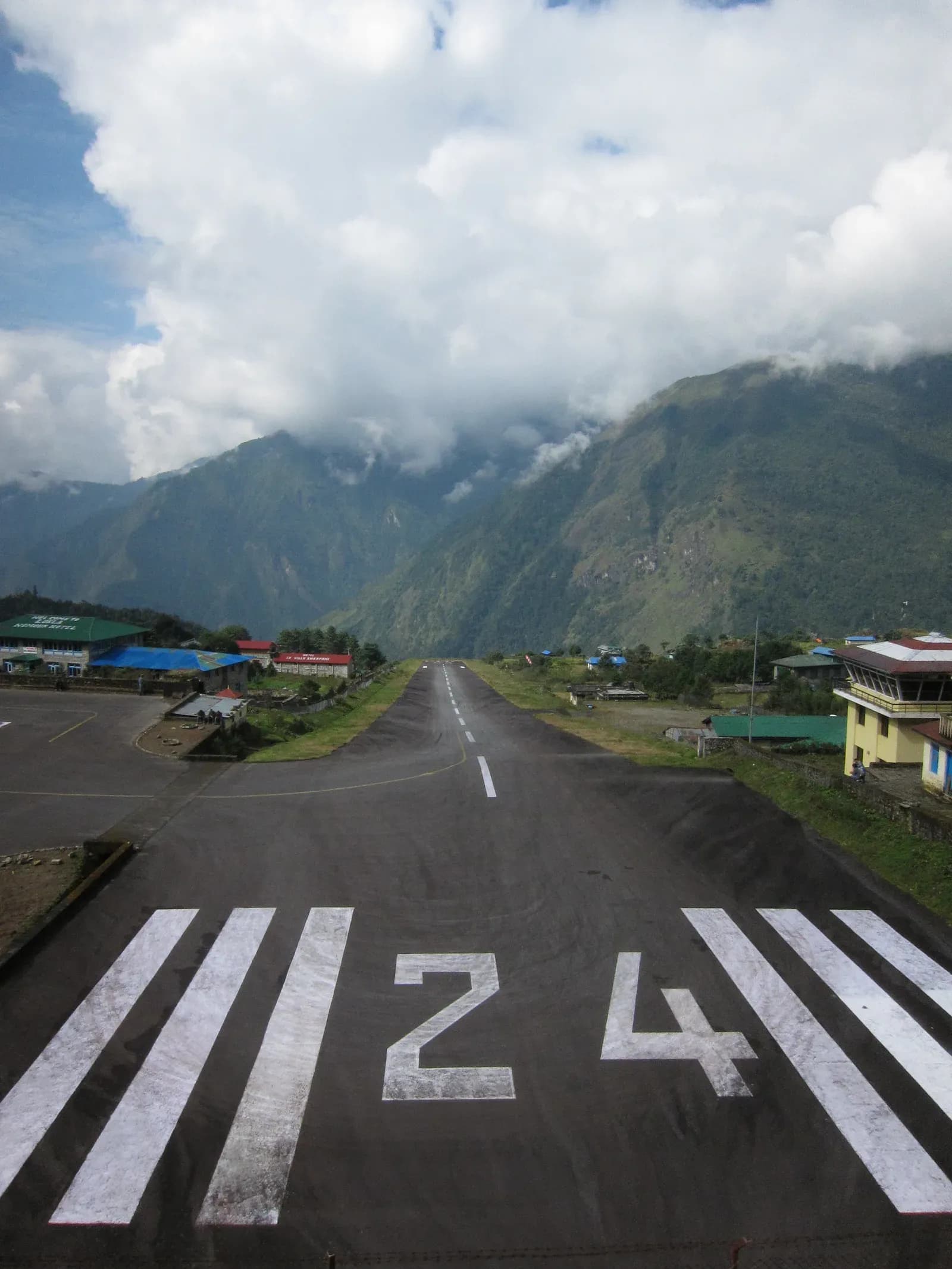
In spring and autumn the Lukla flight leaves from Manthali in Ramechhap, a four to six hour drive from Kathmandu that starts around one to three in the morning. Lukla has no instrument landing, so weather can delay or cancel flights. We build slack into the schedule for this, and we tell you before you book.

03
Where comfort exists, and where it does not

From Lukla to Namche there are lodges with attached bathrooms. Above Dingboche we all stay in basic teahouses with shared facilities, because nothing else exists that high. Hot showers, charging and Wi-Fi are paid extras above Namche.

04
Who this trek is for

Fit walkers ready for eleven days on the trail at altitude. You do not need high-altitude experience if you arrive in good condition and accept the pacing. This is a serious mountain environment, and we will prepare you for it properly.
02 / Day by day

Your journey

Follow the trail from start to finish. Every day reveals a new part of the route.

Safety is identical across all tiers: the same guide standard, daily oxygen checks and two acclimatisation days from The Trail to The Transformation. Tiers change meals, porter support, group format and lower-village comfort, never the safety floor. The Transformation adds a day and a private format; it does not buy a safer mountain.

Day 01
Kathmandu city before the Everest Base Camp trek in Nepal.
Kathmandu arrival
easyKathmandu hotel

Arrive in Kathmandu

Sleep
1,400 m

Airport pickup and hotel transfer

Welcome to Nepal. We meet you at Tribhuvan International Airport and take you to your hotel, and the rest of the day is yours to rest and shake off the flight. In the evening we sit down together for the pre-trek briefing: gear, the altitude protocol, the route and the Lukla flight plan, so nothing about the first morning surprises you.

ContextEvening pre-trek briefing with your guide
Day 02
Lukla to Phakding trail at the start of the Everest Base Camp trek.
Lukla to Phakding
easyStandard teahouseBreakfastLunchDinner

Fly to Lukla and trek to Phakding

Distance
8 km
Walking
3.5 hrs
Sleep
2,610 m
High
2,840 m

The mountain flight into Lukla

An early start, and a short, spectacular flight. In peak season it leaves from Manthali in Ramechhap, a four to six hour drive from Kathmandu that begins between one and three in the morning; off-season we fly direct from Kathmandu to Lukla, at 2,840 m. From Lukla we walk a gentle three to four hours down the Dudh Koshi valley to Phakding. It is an easy first day on purpose, losing a little height to help us settle in.

ContextAn easy first walk of three to four hours
RouteFirst night on the trail at Phakding
Day 03
Suspension bridge on the trail to Namche Bazaar during the Everest Base Camp trek.
Phakding to Namche Bazaar
challengingStandard teahouseBreakfastLunchDinner

Trek to Namche Bazaar

Distance
11 km
Walking
6 hrs
Sleep
3,440 m

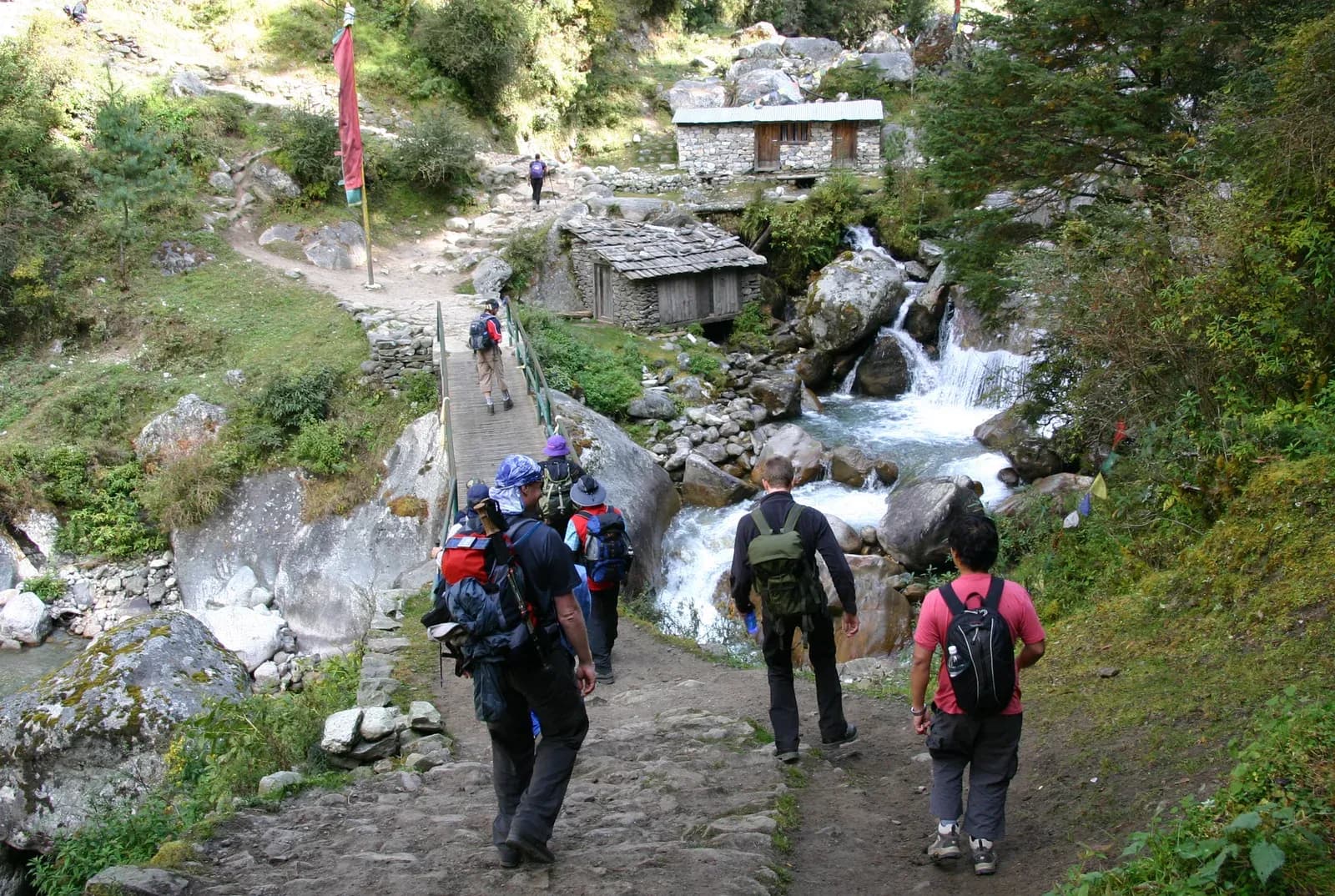
High suspension bridges over the Dudh Koshi

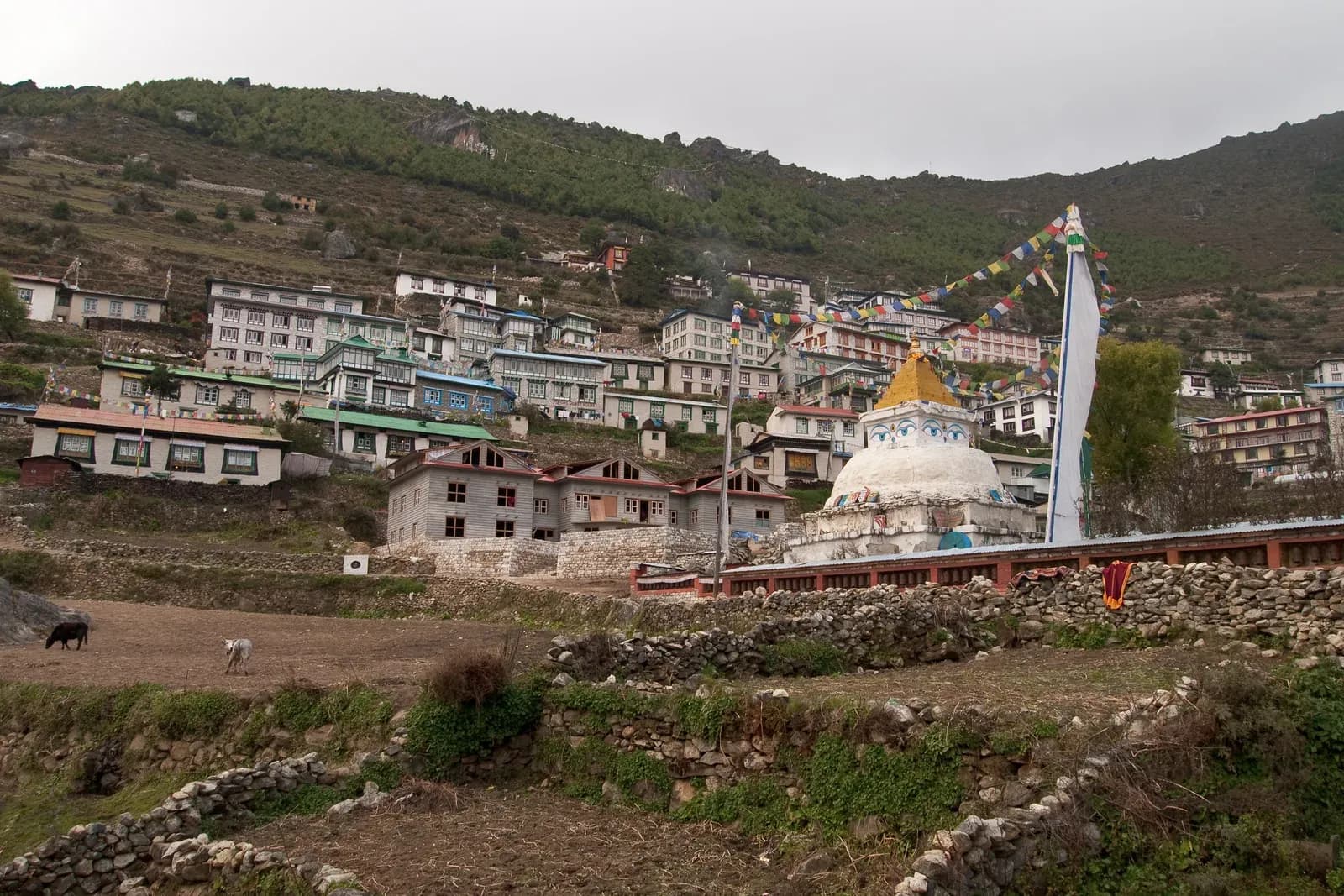
Today we climb to Namche. We follow the river over a series of suspension bridges and enter Sagarmatha National Park at Monjo, where permits are checked, then take on the long final climb, about 600 m of steady ascent. Namche Bazaar, at 3,440 m, sits in a natural amphitheatre and is the trading heart of the Khumbu. It is the busiest and best-supplied village on the route, and where the altitude begins to make itself felt.

SafetyMarked challenging: keep the pace conservative.
ContextPermit check at the Monjo park gate
RouteThe steep final climb into Namche, around six hours in all
Day 04
Namche Bazaar acclimatisation hike on the Everest Base Camp trek.
Namche Bazaar acclimatisation, Everest View, Khumjung
moderateStandard teahouseBreakfastLunchDinner

Acclimatisation day at Namche Bazaar

Distance
5 km
Walking
3.5 hrs
Sleep
3,440 m
High
3,880 m

Climb high, sleep low: the core of acclimatisation

The first of our two acclimatisation days, and one we never cut. We climb higher during the day and come back to sleep in Namche, which is how the body adapts to thinner air. The usual walk goes up toward the Everest View Hotel, around 3,880 m, for the first clear sight of Everest, Lhotse and Ama Dablam, then back down for the night. There is also time to visit Khumjung village and its monastery.

SafetyAbove 3,500 m: follow the altitude protocol.
AltitudeFirst clear views of Everest from above Namche
CultureAn optional visit to Khumjung village
Day 05
Tengboche Monastery on the Everest Base Camp trek in Nepal.
Namche Bazaar to Tengboche
moderateStandard teahouseBreakfastLunchDinner

Trek to Tengboche

Distance
10 km
Walking
5.5 hrs
Sleep
3,860 m

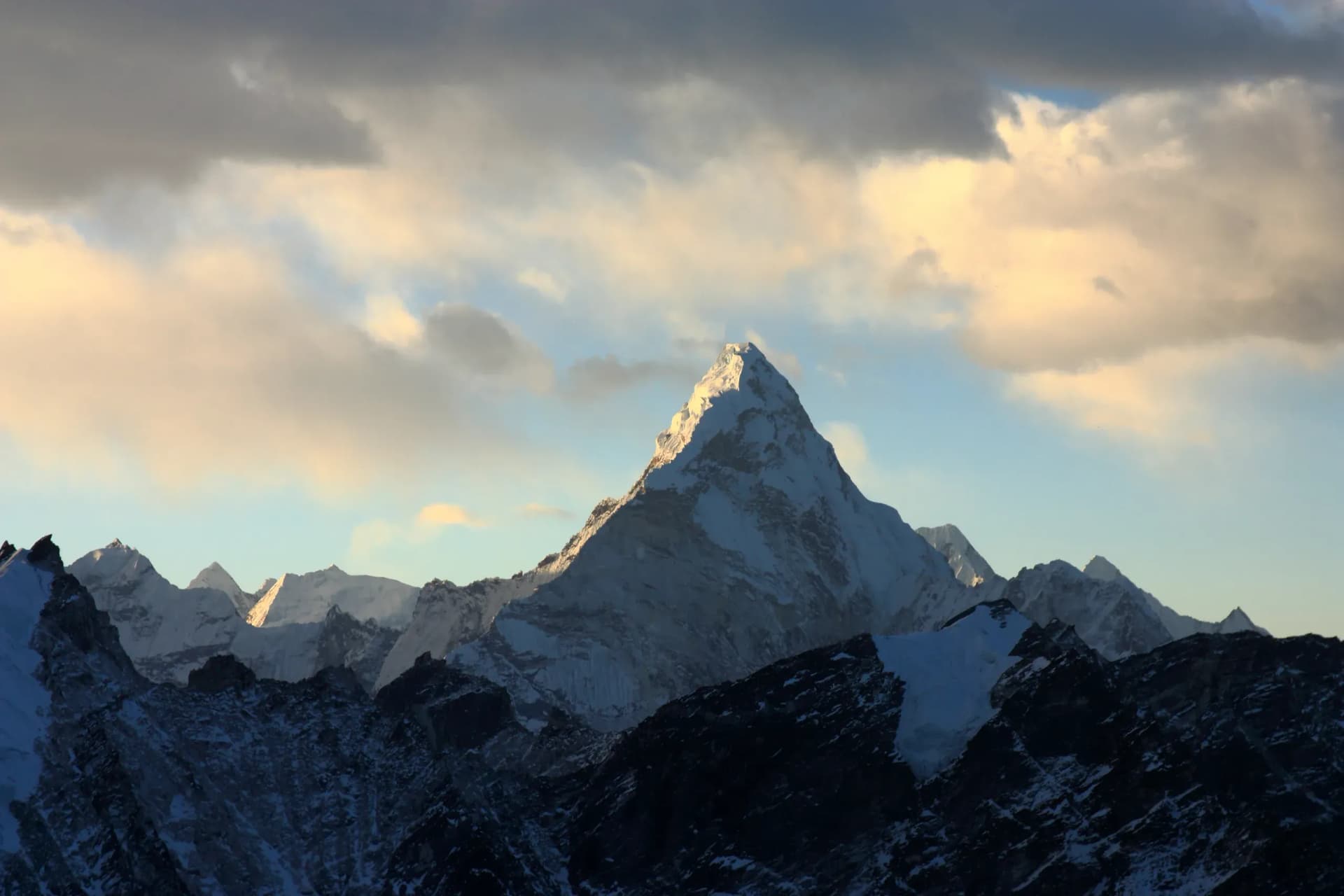
Ama Dablam ahead for much of the day

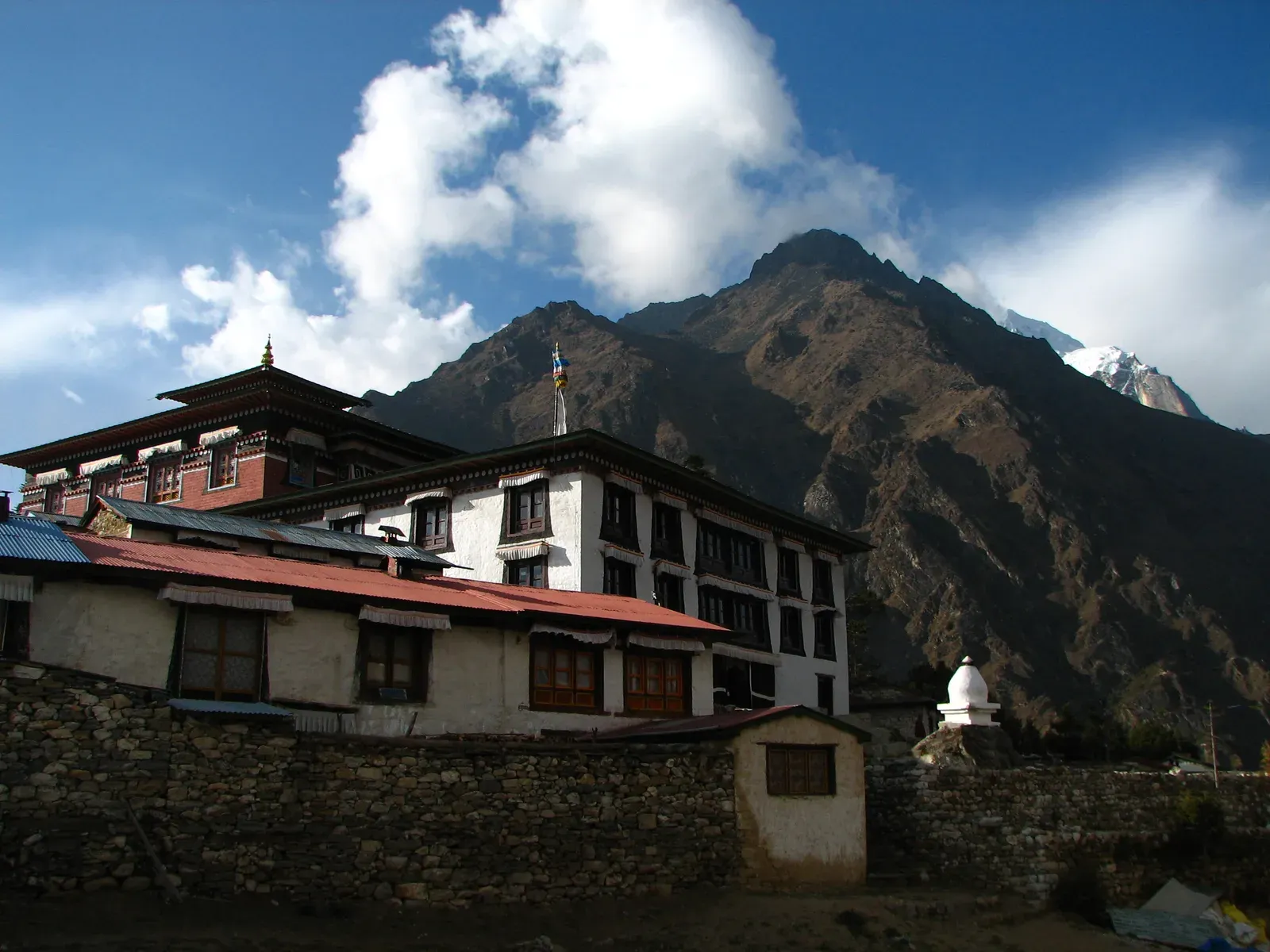
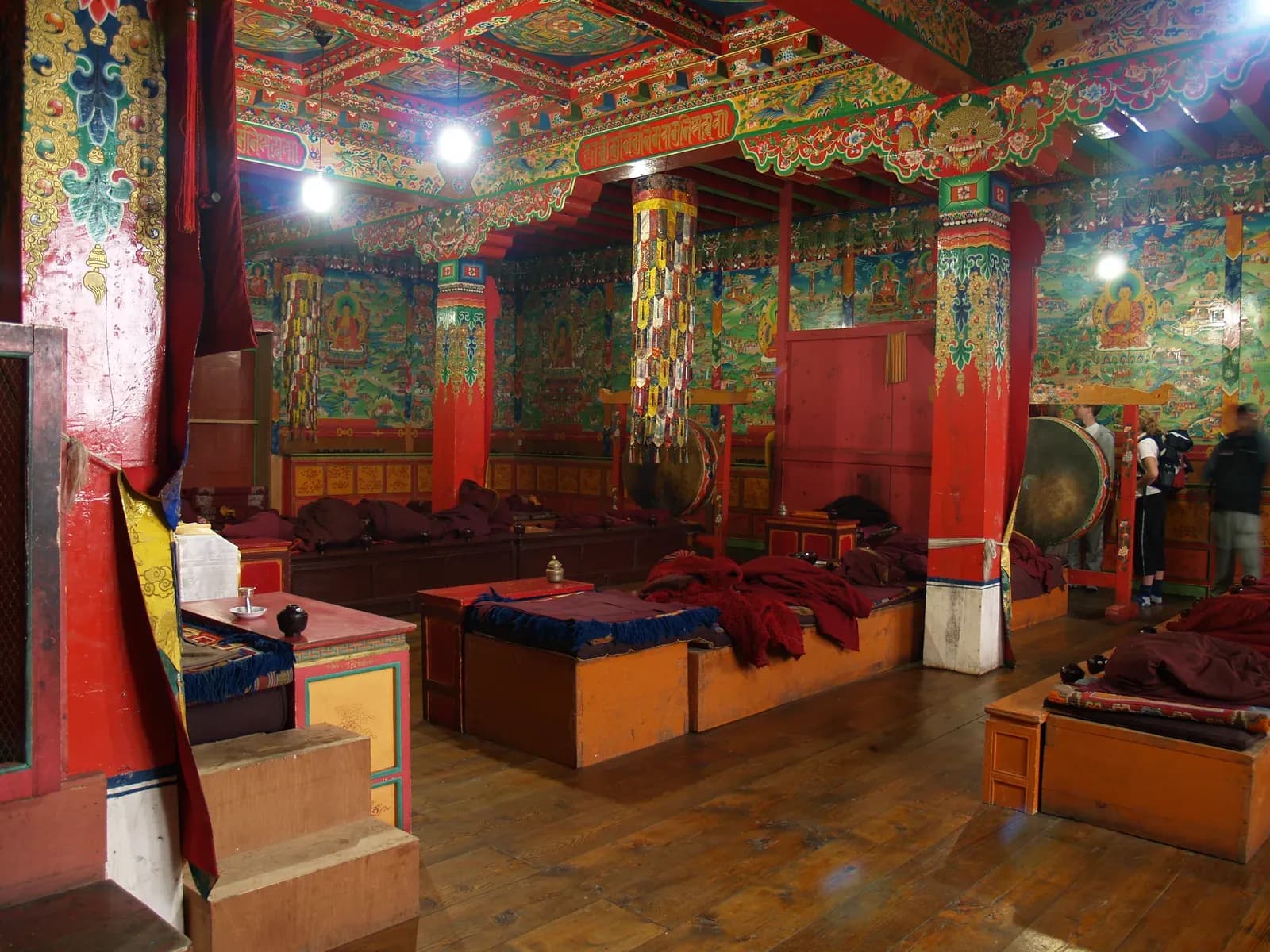
A classic Khumbu day, with Ama Dablam ahead of us for much of it. The trail contours above the river, drops to Phunki Tenga by the water, then climbs steadily through forest to Tengboche. Tengboche, at 3,860 m, holds the most important monastery in the region, set against a wall of high peaks. If the timing is right, we can sit quietly in on the afternoon prayers.

SafetyAbove 3,500 m: follow the altitude protocol.
RouteThe climb from the river up to Tengboche
CultureTengboche Monastery and its afternoon prayers
Day 06
Trail toward Dingboche above the treeline on the Everest Base Camp route.
Tengboche to Dingboche via Pangboche
moderateStandard teahouseBreakfastLunchDinner

Trek to Dingboche

Distance
12 km
Walking
5.5 hrs
Sleep
4,410 m

Crossing the Imja Khola below Pangboche

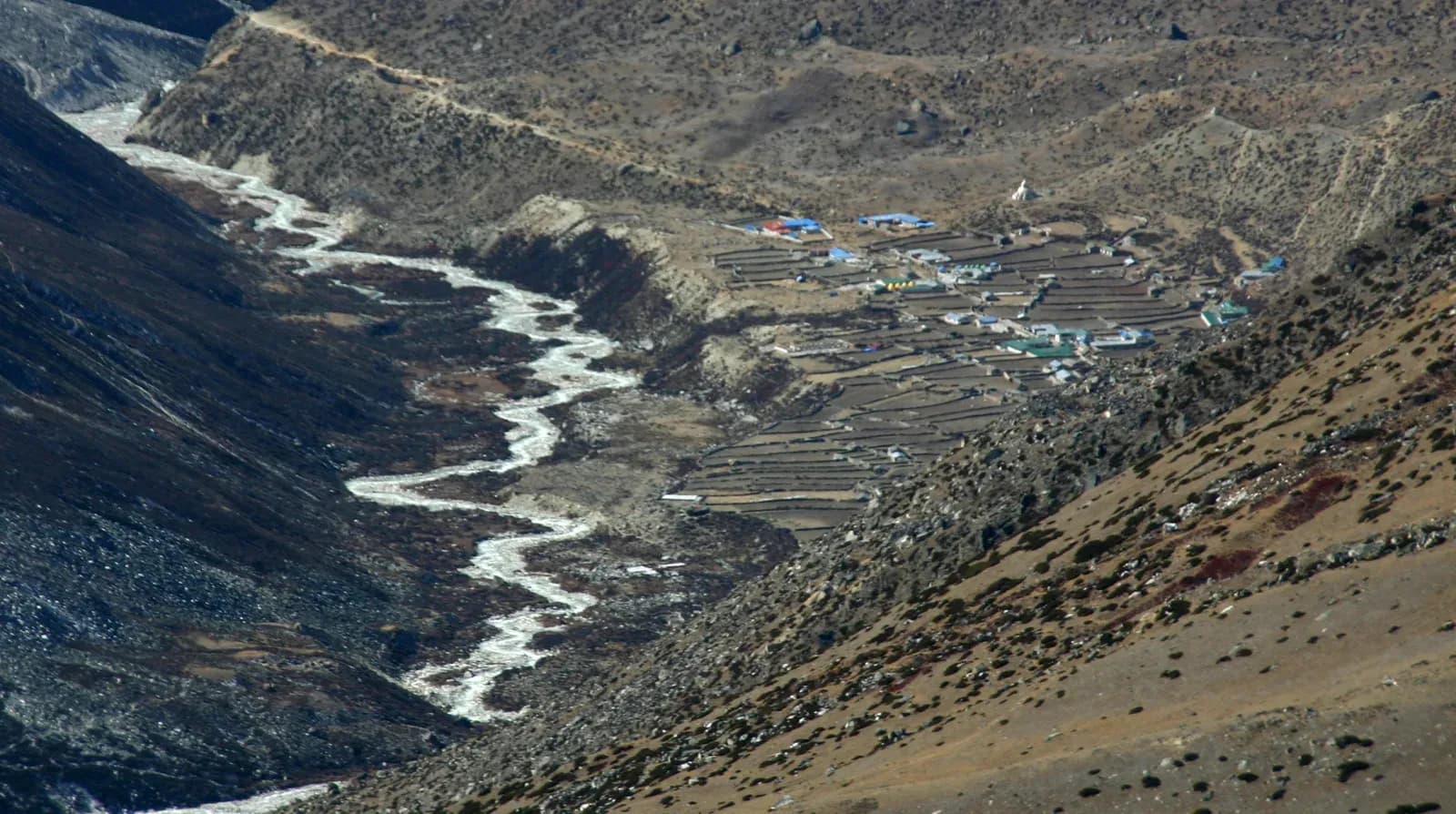
We leave the trees behind today. The trail descends through rhododendron forest to Deboche, crosses the Imja Khola and passes Pangboche, the last major village before the high country. Dingboche, at 4,410 m, sits among stone-walled fields below Ama Dablam and Lhotse. From here the landscape is alpine and open, and the altitude is real.

SafetyAbove 3,500 m: follow the altitude protocol.
ContextWalking out above the treeline
AltitudeFirst night at Dingboche, 4,410 m
Day 07
Dingboche acclimatisation hike toward Nangkartshang ridge on the Everest Base Camp trek.
Dingboche acclimatisation, Nangkartshang ridge
challengingStandard teahouseBreakfastLunchDinner

Acclimatisation day at Dingboche

Distance
5 km
Walking
4 hrs
Sleep
4,410 m
High
5,080 m

The Nangkartshang ridge toward 5,080 m

Our second acclimatisation day, and the most important one. We climb the ridge above the village, usually Nangkartshang toward 5,080 m, then come back down to sleep in Dingboche. This day shapes the rest of the trek. Going above 5,000 m and back is exactly the load the body needs before Base Camp, and it is when your guide watches your oxygen numbers most closely.

SleepClimb high, sleep low, the day that shapes the rest
SafetyClose oxygen checks before the high country
Day 08
Thukla memorial ridge on the route to Lobuche during the Everest Base Camp trek.
Dingboche to Lobuche via Thukla memorial ridge
challengingStandard teahouseBreakfastLunchDinner

Trek to Lobuche

Distance
8 km
Walking
5 hrs
Sleep
4,940 m

The steep climb to the Thukla memorial ridge

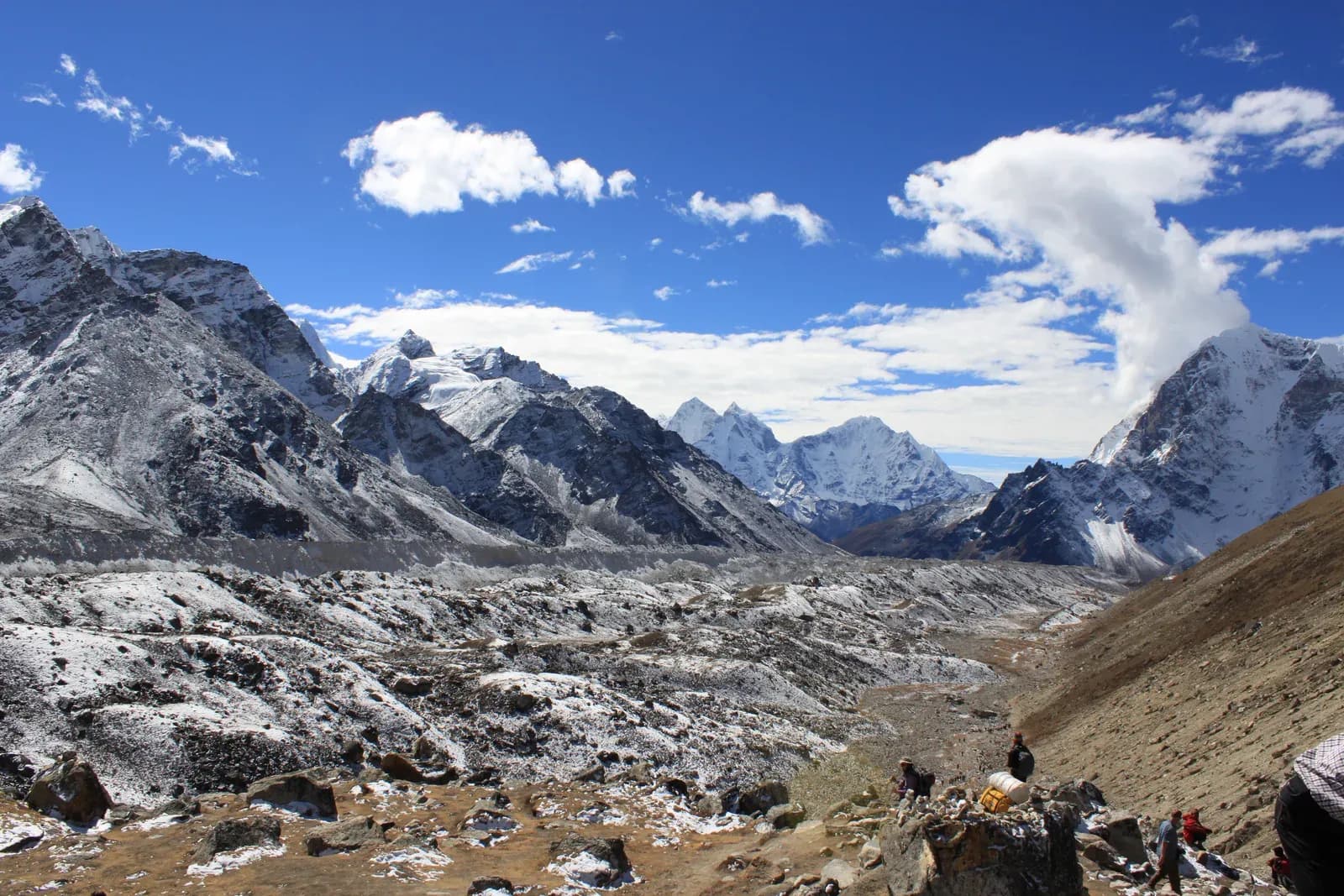
A demanding, sobering day. We climb to Thukla, then up the steep moraine to the memorial ridge, a line of stone cairns for those lost on Everest. Beyond the memorials the trail levels out along the Khumbu glacier moraine to Lobuche, at 4,940 m. The air is noticeably thin now, and we keep the pace deliberately slow.

SafetyAbove 3,500 m: follow the altitude protocol.
RouteWalking the edge of the Khumbu glacier moraine
AltitudeFirst night at Lobuche, 4,940 m
Day 09
Everest Base Camp and Khumbu Icefall on the Everest Base Camp trek.
Lobuche to Gorakshep and Everest Base Camp
challengingStandard teahouseBreakfastLunchDinner

To Gorakshep and Everest Base Camp

Distance
13 km
Walking
7 hrs
Sleep
5,140 m
High
5,364 m

Stand at Everest Base Camp, 5,364 m

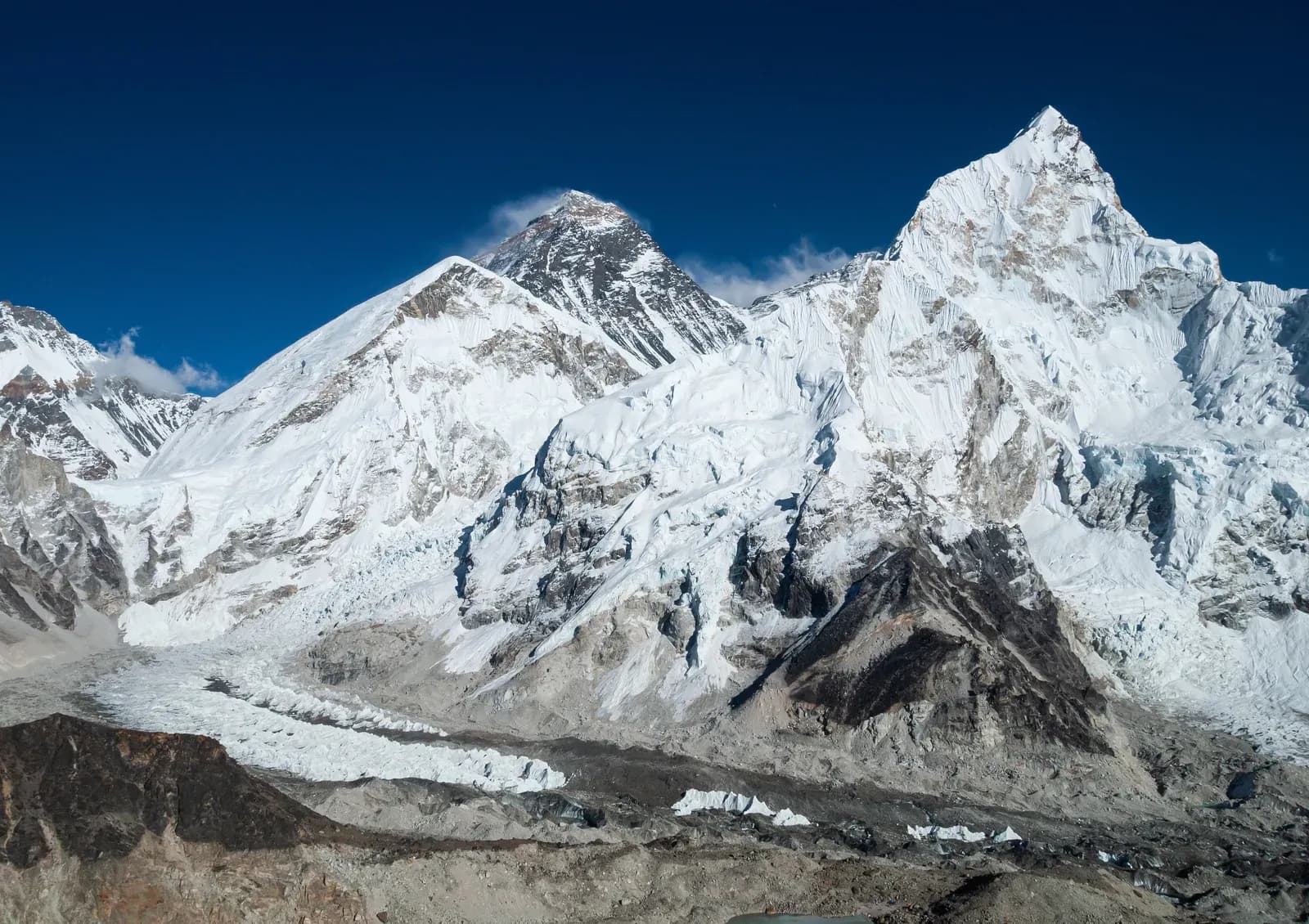
This is the big day. We walk the rough glacier trail to Gorakshep at 5,140 m, leave our packs, and continue to Everest Base Camp at 5,364 m, at the foot of the Khumbu Icefall. It is long and hard, around seven hours on uneven moraine above 5,000 m, and then we return to Gorakshep for the night, the coldest and highest we will sleep. For most of us, this is the day we came for.

SafetyAbove 3,500 m: follow the altitude protocol.
ContextThe Khumbu Icefall up close
RouteA long high day on glacial moraine, around seven hours
Day 10
View of Everest from Kala Patthar at dawn on the Everest Base Camp trek.
Kala Patthar at dawn, descend to Pheriche
challengingStandard teahouseBreakfastLunchDinner

Kala Patthar at dawn, descend to Pheriche

Distance
14 km
Walking
7.5 hrs
Sleep
4,200 m
High
5,545 m

Dawn on Everest from Kala Patthar, 5,545 m

We climb in the dark to reach Kala Patthar at first light. At 5,545 m it is the highest point of the trek and the classic viewpoint for Everest, Nuptse and Pumori, the view this route is known for. After dropping back to Gorakshep we begin the long descent to Pheriche, at 4,200 m. Losing height quickly helps recovery, and the body feels the difference within hours.

AltitudeThe highest point of the trek
SafetyA long descent to Pheriche, around 1,300 m down
Day 11
Return trail through the Khumbu valley toward Namche Bazaar after Everest Base Camp.
Pheriche to Namche Bazaar via Tengboche
moderateStandard teahouseBreakfastLunchDinner

Trek down to Namche Bazaar

Distance
15 km
Walking
6.5 hrs
Sleep
3,440 m
High
4,200 m

The return through Tengboche

Today we walk back into greener country. We retrace the valley through Tengboche and down to the Imja Khola, then climb back up to Namche. The air thickens with every hour and the walking gets easier. After the high camps, Namche feels wonderfully comfortable on the way down.

SafetyAir thickening with every hour of descent
ContextBack to the comforts of Namche
Day 12
Final trail day from Namche Bazaar to Lukla on the Everest Base Camp trek.
Namche Bazaar to Lukla
moderateStandard teahouseBreakfastLunchDinner

Trek to Lukla

Distance
13 km
Walking
6.5 hrs
Sleep
2,840 m
High
3,440 m

The final valley walk back to Lukla

Our last full day on the trail. We retrace the Dudh Koshi valley and cross the suspension bridges back to Lukla, around six to seven hours with a few stings in the climbs. The evening in Lukla is the trek's natural close, usually shared with the guides and porters who walked every step with us.

RouteRecrossing the high suspension bridges
RouteA last evening with the trail crew
Day 13
Flight from Lukla back to Kathmandu after the Everest Base Camp trek.
Lukla flight to Kathmandu
easyKathmandu hotelBreakfast

Fly to Kathmandu

Sleep
1,400 m
High
2,840 m

Morning flight off the mountain

A morning flight back to Kathmandu or Manthali, weather permitting. This is where the schedule slack matters: if weather closes Lukla, we use the buffer rather than gamble with your international flight. Back in Kathmandu the afternoon is free to rest, take a proper shower and start to take in what we just walked.

AltitudeBuilt-in schedule slack for Lukla weather
ContextA free afternoon in Kathmandu
Day 14
Kathmandu before departure after the Everest Base Camp trek.
Kathmandu departure
easyBreakfast

Departure

Sleep
1,400 m

A free morning in Kathmandu

A free morning, then we take you to the airport for your onward flight. If you built in spare days, this is where they sit, protecting you from any earlier Lukla delay.

ContextAirport transfer for departure
03 / Trip essentials

What's included and excluded

Know exactly what your trek price covers before you commit.

Price Includes

  • Sagarmatha National Park entry permit
  • Khumbu Pasang Lhamu Rural Municipality Trek Card
  • Licensed Guardian Profile guide
  • Round-trip Lukla flight
  • Teahouse accommodation on trek
  • Kathmandu hotel
  • Daily pulse oximetry
  • First-aid kit
  • Pre-trek briefing

Price Excludes

  • International flights
  • Nepal entry visa
  • Travel insurance
  • Lunch on trekking days (The Trail only)
  • Porter support (The Trail only)
  • Tips for guide and porter
  • Beverages and personal extras
  • Hot showers, Wi-Fi and device charging above Namche
  • Helicopter evacuation
  • Helicopter return (The Transformation, optional)
Optional extension

Add-on - cross the Cho La to the Gokyo Lakes

Both routes share the same trailhead. From Base Camp you can cross the Cho La pass at 5420 m into the Gokyo valley instead of retracing your steps, on our combined 18-day route.

  • The glaciated Cho La pass at 5420 m linking the Khumbu and Gokyo valleys
  • The turquoise Gokyo Lakes and the Ngozumpa Glacier, the longest in Nepal
  • Gokyo Ri at 5357 m, the west-side dawn view of Everest that answers Kala Patthar
  • A second, quieter side of the Khumbu on the return through Dole and Phortse
The combined route is a separate 18-day product with 15 trekking days. See its page for current pricing.

The Cho La is a real step up from the standard trail. It is a glaciated pass crossed before dawn, often needing crampons or microspikes, with loose rock and an unstable glacier edge. It suits trekkers who are already well acclimatised and confident on steep, icy ground. If your high-altitude experience is light, do the standard Base Camp route first.

See the Everest Base Camp and Gokyo via Cho La trek
04 / Price & discounts

Build your trek

Pick a tier, set your group size, and choose a preferred departure. The number you see here is the number we receive.

Same safety floor across all three. What changes is lodging, pace, privacy, and how much planning we absorb for you.

The more who trek, the less each person pays

Choose a group band to update your live quote below.

Swipe to compare group rates

Per-person prices for The Trail
Group sizePrice per personYou save per personSelect group size
$1,495Standard rate
$1,350$145 (10% off)
$1,295$200 (13% off)
$1,240$255 (17% off)

Prices are in USD, per person. Your total updates automatically for 2 trekkers.

What's in The Trail

5 included · 2 not included

  • All trekking permitsSagarmatha National Park entry and Khumbu Pasang Lhamu municipality Trek Card
  • Licensed guideGovernment-licensed guide with route and altitude experience
  • Breakfast and dinner on trekTwo meals a day in teahouses; lunch on your own account
  • Round-trip Lukla flight and ground transferIncludes the Kathmandu to Manthali transfer in peak season
  • Standard teahouse accommodationTwin-share teahouses on the trail, hotel in Kathmandu
  • Porter supportAvailable as an add-on, about 220 USD for one porter per two trekkers
  • Lunch on trekking daysBudget roughly 5 to 10 USD per meal on the trail
05 / Before you go

Frequently Asked Questions

Our fourteen-day trek runs from 1,040 to 1,695 USD per person on The Trail and The Journey, depending on group size, and from 2,350 to 3,150 USD on the private Transformation. Credible Nepal-based operators sit around 1,450 USD all-inclusive, and we price The Journey in that band. Watch for headline prices that leave out the porter or your lunches. We show you exactly what is in and what is out.

It is challenging but not technical: no climbing or rope work on the standard route. The difficulty is altitude and the days adding up, with five to seven hours of walking most days and a high point of 5,545 m at Kala Patthar. If you are fit enough to walk long days back to back and you respect the acclimatisation pacing, you can do this trek.

Yes, for many people it is. Arrive in good walking condition, accept that the two acclimatisation days are fixed, and tell your guide honestly how you feel each day. The trek forgives inexperience if you are fit and patient; it does not forgive rushing the altitude.

We check your oxygen saturation every day on a two-checkpoint protocol and watch for early symptoms. Mild symptoms mean we slow down, hold or descend, and your guide has the authority to turn you around. Above 4,000 m the rule is simple: when in doubt, we go down. Serious cases are evacuated by helicopter, which is why insurance covering evacuation to at least 6,000 m is mandatory on this trek.

It can happen, and we plan for it. In spring and autumn the flight runs from Manthali in Ramechhap, with an early-morning drive from Kathmandu, and Lukla has no instrument landing, so weather can close it. We build slack into the itinerary so a lost day does not threaten your international flight, and if we are held, your guide handles rebooking and accommodation.

For now the Khumbu still allows solo trekking with the right permits, unlike most of Nepal, where a guide is mandatory. We run every trek guided anyway. On this route a guide is your altitude monitoring, your logistics when a flight is cancelled and your fastest path to help if something goes wrong. We think it is the right call here, not a formality.

Teahouses, and they change with altitude. From Lukla to Namche you can have a room with an attached bathroom and a warm dining room. Above Dingboche we all stay in basic teahouses with shared facilities and limited heating, because that is all that exists up there. Hot showers, Wi-Fi and charging are paid extras above Namche. We would rather tell you now than promise comfort the mountain cannot give.

Spring (March to May) and autumn (late September to November). Both bring settled weather and clear mountain views, and we run the trek in both. Winter is possible but very cold, with some high teahouses closed, and the monsoon brings rain and cloud.

06 / Reviews

Stories from the Trail

Hear from fellow adventurers who have walked these paths before you.

Quote$2,7002 trekkers