Loading...
Loading...

Tilicho Lake Trek to 4919 m and back, with honest pacing, Manang rest day, managed landslide approach, meals included, and three tiers with the same safety.
A there-and-back trek up the Marsyangdi to Tilicho Lake, returning down the same valley. We are direct about what is walked or driven, why the Manang rest day is non-negotiable, and how we handle the landslide approach to Base Camp.
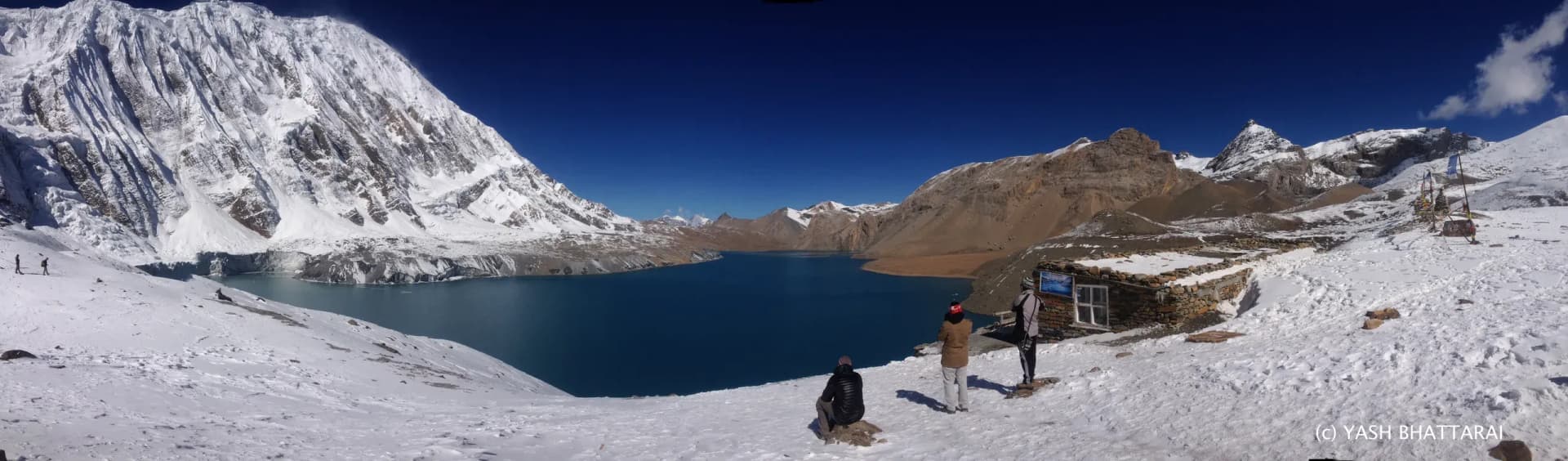
The lake day. A pre-dawn start from Base Camp at 4150 m, a steep set of switchbacks, and an exposed climb to 4919 m, then back down to sleep lower. Not technical, but a long high day after several days of altitude.
You reach nearly 5000 m on this route, so the Manang rest day is built into every tier. The short jeep-to-Manang versions sold elsewhere skip the lower-valley acclimatisation and gamble on the lake day. We pace it properly and say why.
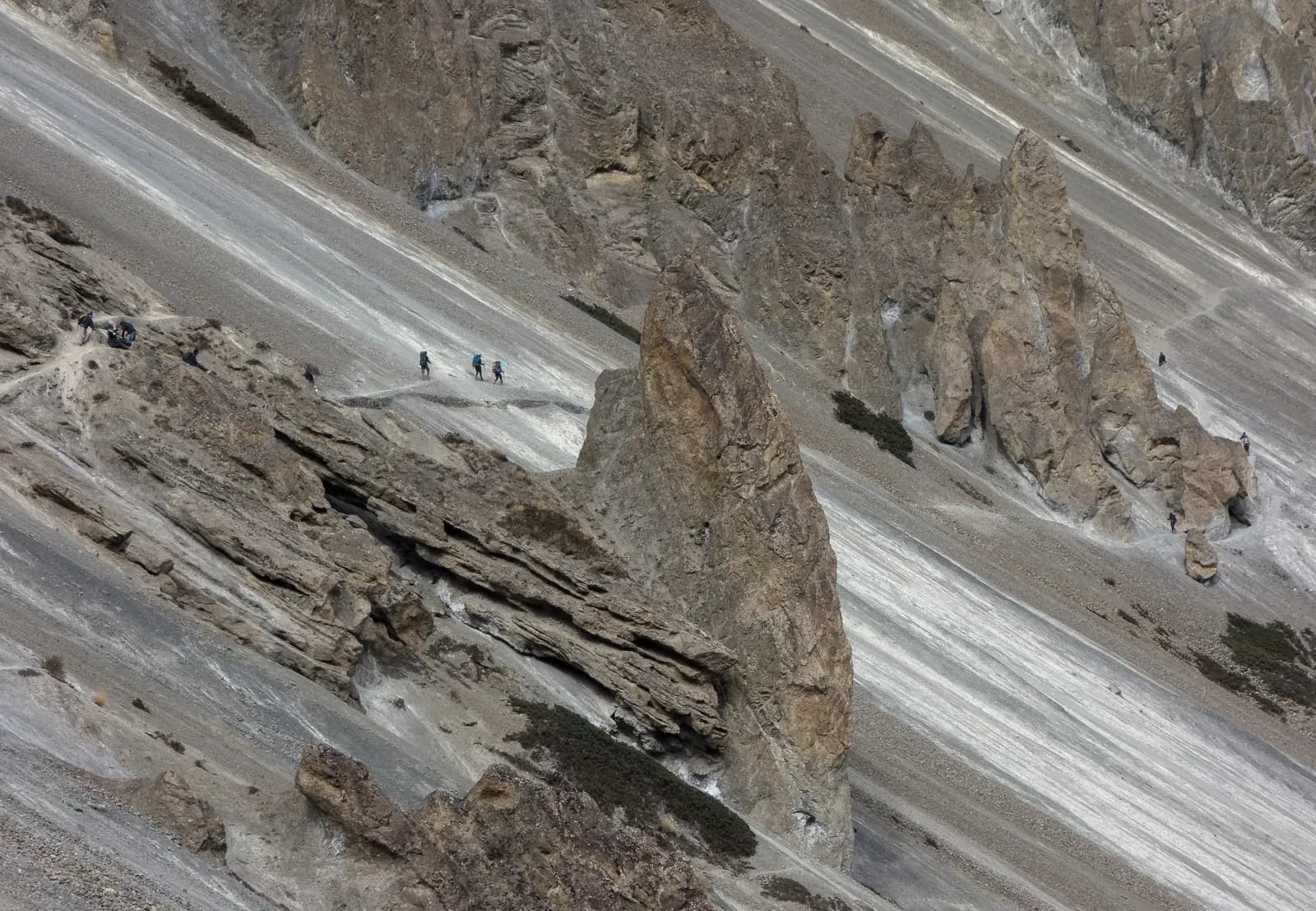
The trail from Khangsar to Tilicho Base Camp crosses a slope of loose rock that is prone to rockfall. We cross it in the morning, after the overnight cold has settled the ground and before the sun loosens it, and the guide makes a daily call on whether it is safe to go.
Roads now reach Chame. Each tier states exactly which sections you walk and which you drive. The Trail drives in to Chame; the Journey starts walking lower; the Transformation walks the fuller line from the lower valley.
Rooms improve lower down on the upgraded tiers. From Khangsar up to Base Camp, accommodation is basic for everyone regardless of tier. We do not pretend otherwise.
Fit walkers comfortable with several long days at altitude and one exposed high day. No technical climbing, but altitude affects everyone regardless of fitness.
This trek turns back at the lake and descends the way it came. If you would rather finish the full circuit over the pass instead of retracing, you can extend from Manang. It changes the trip from a there-and-back to the full Annapurna Circuit.
This is real high-altitude back to back - the lake at 4919 m and then Thorong La at 5416 m in one trip. We ask for prior multi-day high-altitude trekking experience and screen for any history of altitude sickness. If that experience is light, we do not turn you away; we add acclimatisation nights to the completion route so the pacing stays safe. It is planned around your acclimatisation, not bolted on.
See the full Annapurna Circuit TrekPick a tier, set your group size, and choose a preferred departure. The number you see here is the number we receive.
2 included · 3 not included
It is a challenging trek, mainly because of the altitude and one long exposed high day, not because of technical difficulty. There is no climbing or ropework. What makes it hard is reaching nearly 5000 m at the lake, a run of consecutive walking days, and the lake day itself, which starts before dawn, climbs a steep set of switchbacks, and crosses exposed ground. If you are fit enough to walk five to seven hours on consecutive days and you respect the acclimatisation pacing, it is achievable for a determined first-time high-altitude trekker on the right tier. The lake day is the hardest, a long day out and back from Base Camp.
The altitude is one of the two main risks on this trek and it is taken seriously. You reach 4919 m at the lake, high enough that altitude sickness is a real possibility, which is why a rest day in Manang is built into every tier and why the short jeep-to-Manang versions sold elsewhere carry real risk by skipping the lower-valley acclimatisation. One thing that helps on this route is that you do not sleep at the lake; you climb to it from Base Camp and descend to sleep lower the same day, which is the climb high, sleep low principle in practice. Altitude sickness has no reliable link to age or fitness, so the protections are the same for everyone: gradual pacing, the Manang rest day, daily monitoring at altitude, and a clear rule that if symptoms are serious the response is to descend. Your guide is trained to spot early signs.
The approach from Khangsar to Tilicho Base Camp crosses a slope of loose rock that is prone to rockfall, the section local guides call the landslide area. We are direct about it rather than quiet, because how it is handled is what matters. We cross it in the morning, after the overnight cold has settled the ground and before the sun warms and loosens it, and the guide makes a call each day on whether the weather and any snow make it safe to go. It is not technical ground, but it asks for a steady pace and attention, and trekking poles help. If conditions are not right on a given morning, the safe call is to wait or adjust, and we make that call. This is the same on every tier.
It depends on how much of the lower route you walk versus drive. Our Trail is an 11-day trip door to door with 9 active trekking days, driving in to Chame to save the lower road section. The Journey is 13 days door to door with 11 active trekking days, starting on foot lower for better acclimatisation. The Transformation is around 15 days door to door with 12 to 13 active trekking days, walking the fuller line from the lower valley and adding a second acclimatisation night. We list both the door-to-door length, so you can book flights, and the active trekking days, so you know what you are actually walking.
More than the short itineraries admit. Roads now reach Chame, and some operators drive all the way to Manang to sell a five-day version. We tell you exactly which parts you walk and which you drive on each tier. The Trail drives in to Chame and then walks the route to the lake and back. The Journey starts walking lower for better acclimatisation. The Transformation walks the fuller line from the lower valley. The heart of the route, Manang to Khangsar to Tilicho Base Camp and the lake day, is walked on every tier. The reason this matters is not only scenery: walking the lower sections helps you acclimatise gradually, which the jeep-heavy short versions skip just before the highest part of the trek.
You need the Annapurna Conservation Area Permit, the ACAP, which is the required permit for the region. It costs 3000 Nepalese rupees for foreign trekkers, roughly 20 to 25 US dollars, and we arrange it for you as part of every tier. Tilicho is inside the same conservation area as the Annapurna Circuit, so the same single permit covers it; there is no special restricted-area permit for this route. The TIMS card is not currently required or checked on the Annapurna trails, though Nepal's permit rules have changed before, so we confirm the current position at the start of each season. NEEDS VERIFICATION: reconfirm ACAP fee and any TIMS change with operations before publishing exact figures each season.
Spring, from March to May, and autumn, from September to November, are the two main seasons. Autumn gives the clearest, most stable mountain weather and is the most popular, with the lake at its deepest turquoise. Spring brings warmer days and rhododendron blooms lower down. Winter is hard on this route: heavy snow often blocks the trail to the lake and closes the upper teahouses, so we do not recommend it for most trekkers. The summer monsoon brings rain and landslide risk on the lower approach, though the upper valley sits partly in a rain shadow. The landslide section near Base Camp is more sensitive to snow and wet, which is another reason the two main seasons are the right windows.
A guide is strongly recommended and is included on every tier. Tilicho is not a restricted area, so the strict guide rules that apply to places like Manaslu or Upper Mustang do not apply here in the same way, but this is a route where a guide earns their place. The trail above Khangsar is harder to follow, the landslide section near Base Camp needs a daily judgement call on conditions, and at nearly 5000 m in a remote valley your guide is your main safety resource if altitude sickness develops. We treat the guide as a safety measure first. NEEDS VERIFICATION: confirm the current guide rules with operations before the season, as Nepal's trekking rules have changed more than once.
They share the lower valley but they are different trips with different shapes. The Tilicho Lake Trek goes up to the lake at 4919 m and turns back, descending the way it came; the lake is the point. The Annapurna Circuit carries on from Manang over Thorong La at 5416 m and down the far side into Mustang; the pass is the point. On the Circuit, Tilicho is an optional detour. On this trek, Tilicho is the whole objective and there is no pass crossing unless you choose to add it. If you want to do both, you can extend this trek to complete the circuit over the pass, which we set out as an add-on, or look at our Annapurna Circuit Trek directly.
Yes. Instead of turning back at the lake and retracing the valley, you can continue from Manang over Thorong La at 5416 m, down to the Muktinath temple, and out via Jomsom to Pokhara by road. It adds about five to seven days and turns the trip into the full Annapurna Circuit. This is real high-altitude back to back, the lake at 4919 m and then the pass at 5416 m in one trip, so we ask for prior multi-day high-altitude experience and we screen for any history of altitude sickness. If your experience is light we do not turn you away; we add acclimatisation nights to the completion route so the pacing stays safe. Tell us at the planning stage and we will build the days around it. The add-on is from 350 to 500 US dollars per person over The Journey depending on group size and the days added; you can also see our Annapurna Circuit Trek page for the full trip.
Follow the trail from start to finish — every day is a new adventure.
Safety is identical across all tiers. What changes is where you start walking, meals, whether a porter is included, room quality where available, the second acclimatisation night on The Transformation, and the support ratio. The guide, pacing, Manang rest day, morning landslide crossing, and pre-dawn lake start do not change with price.

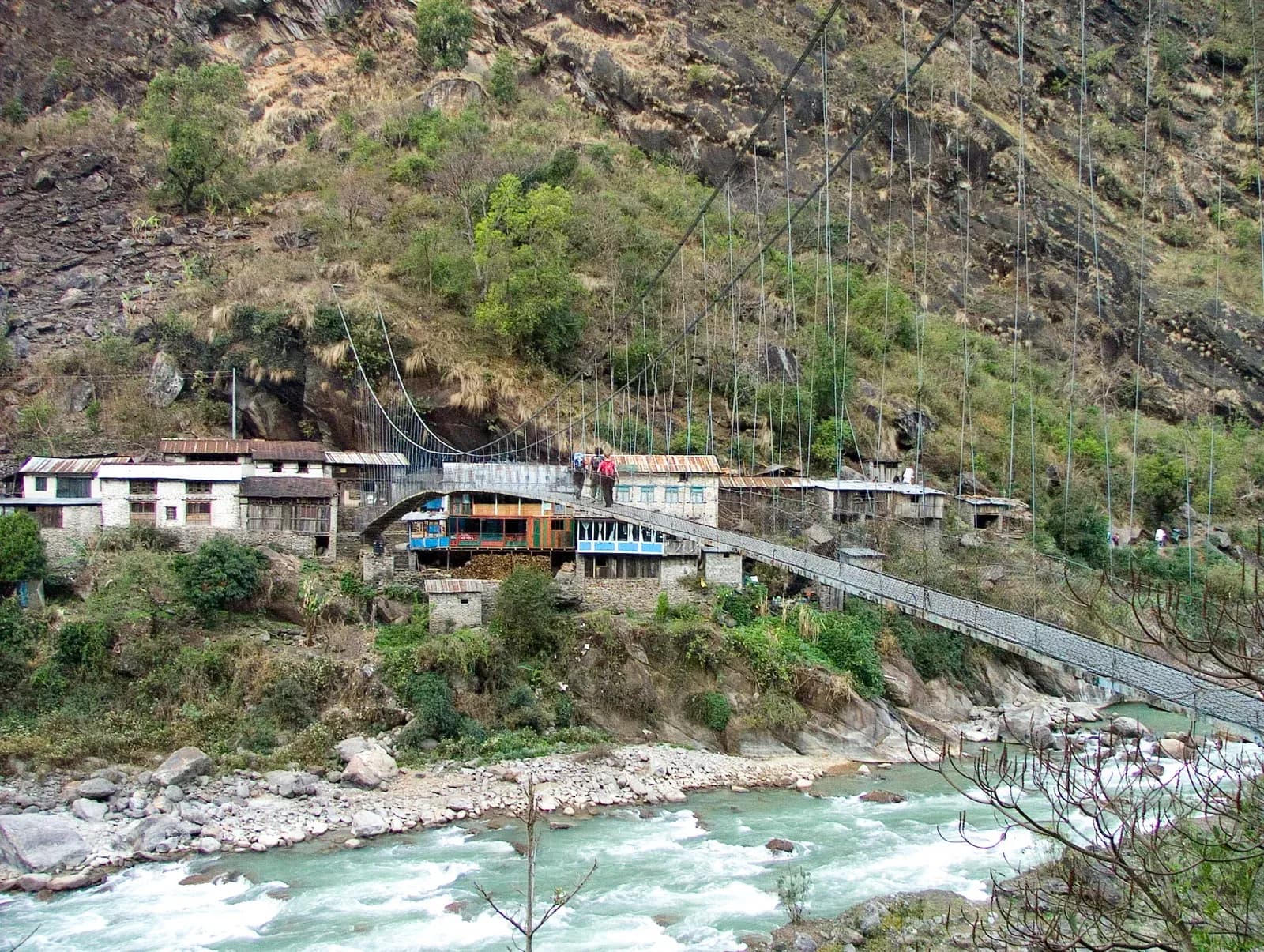
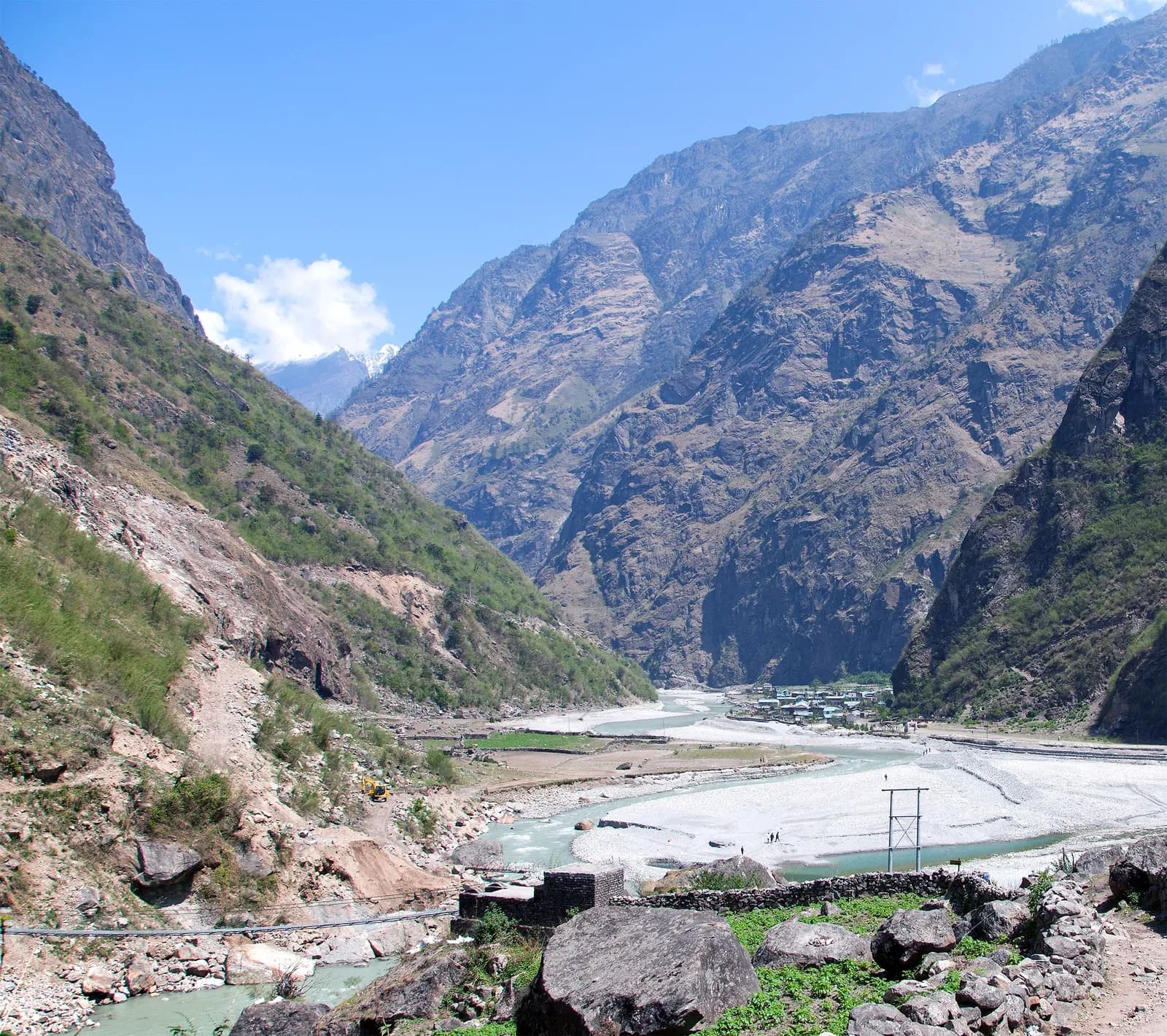
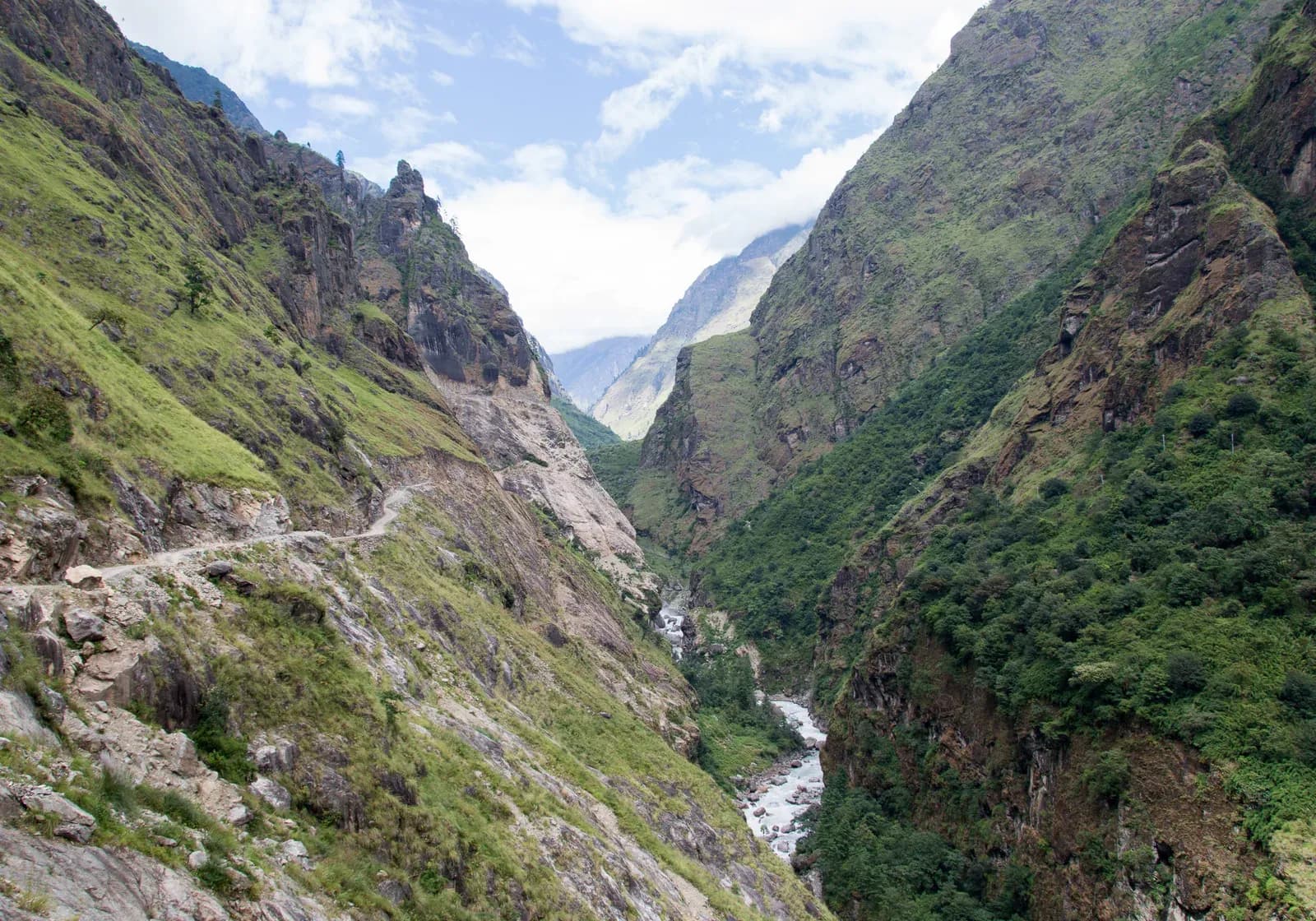
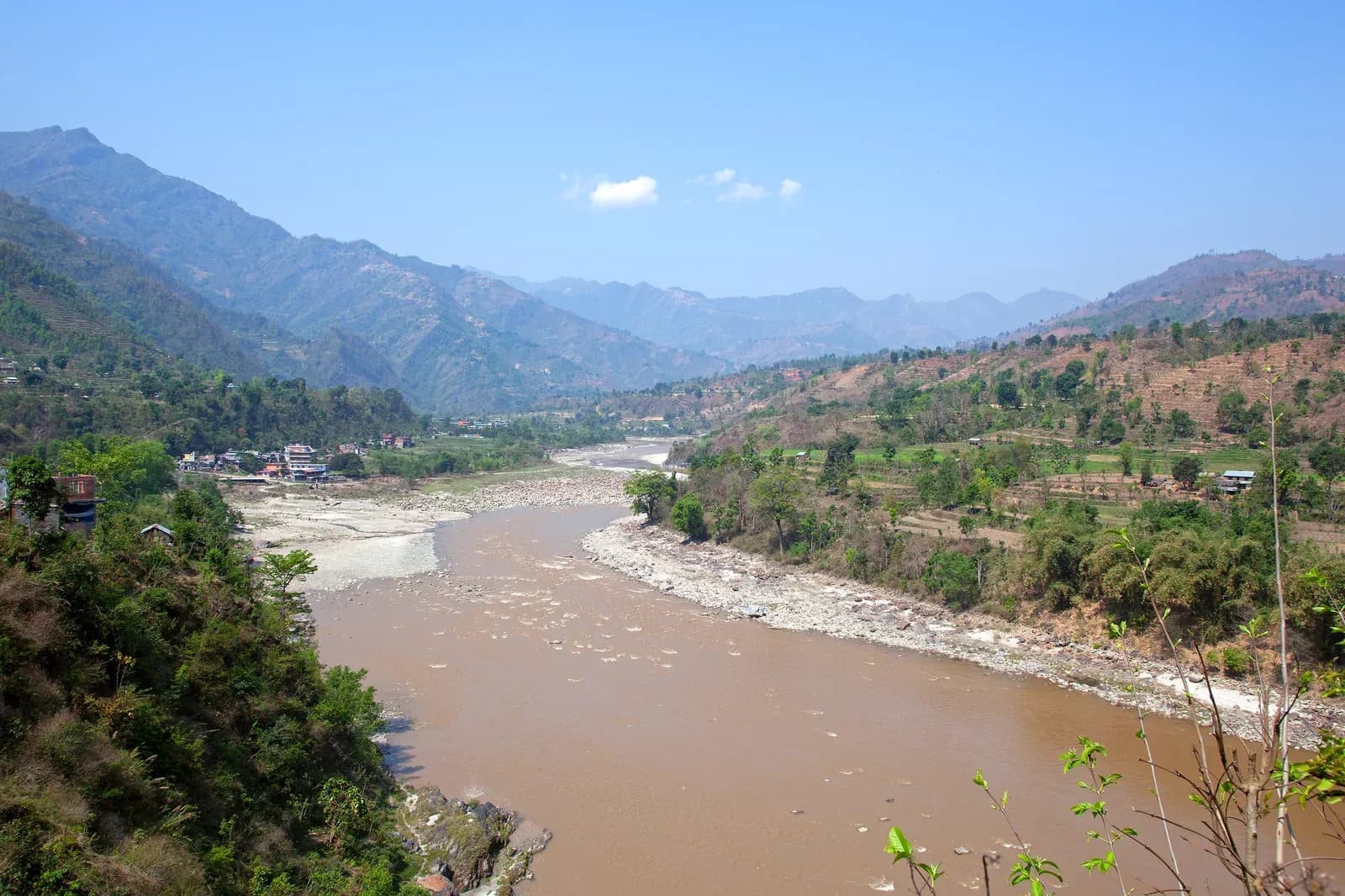
The drive up the Marsyangdi gorge

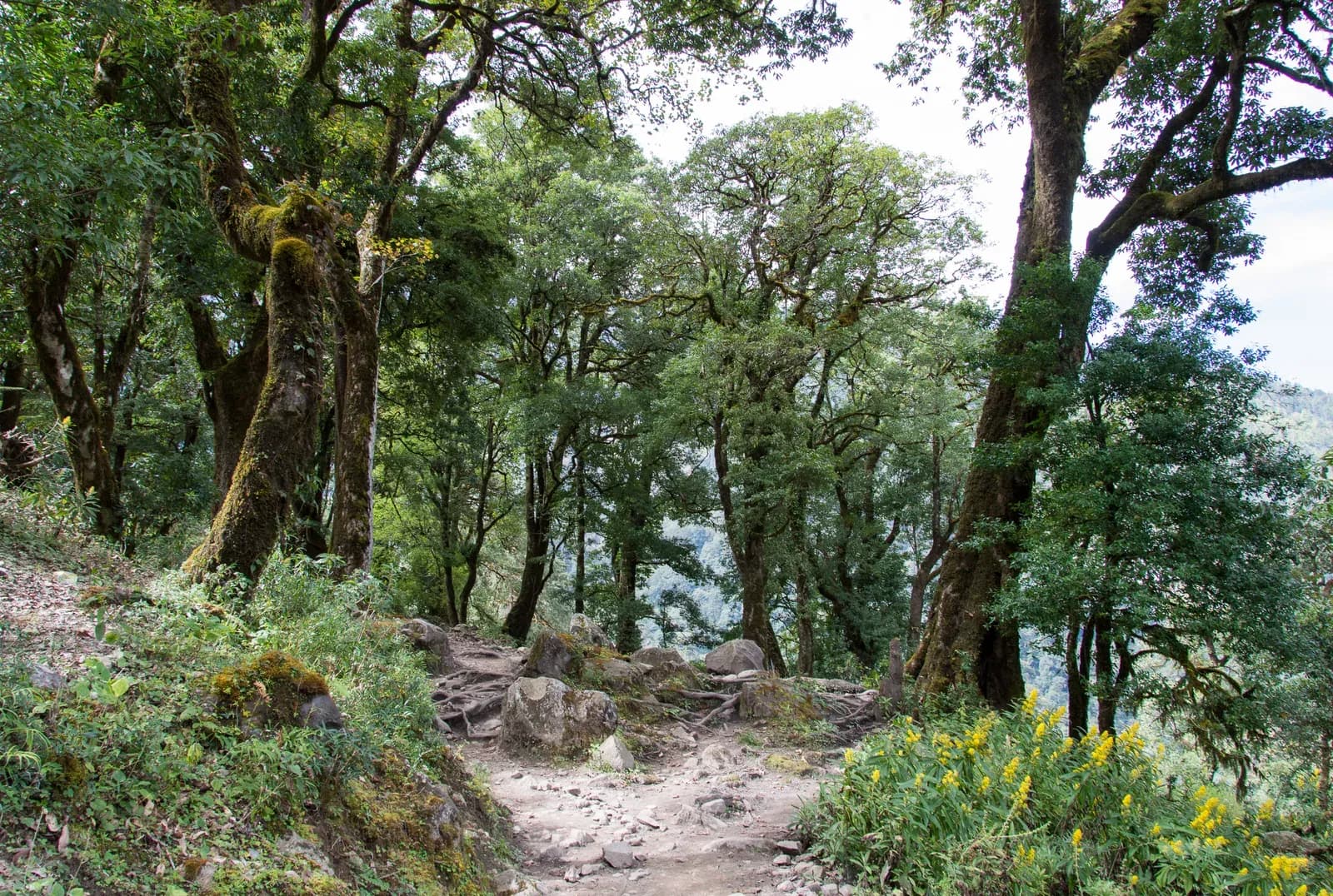
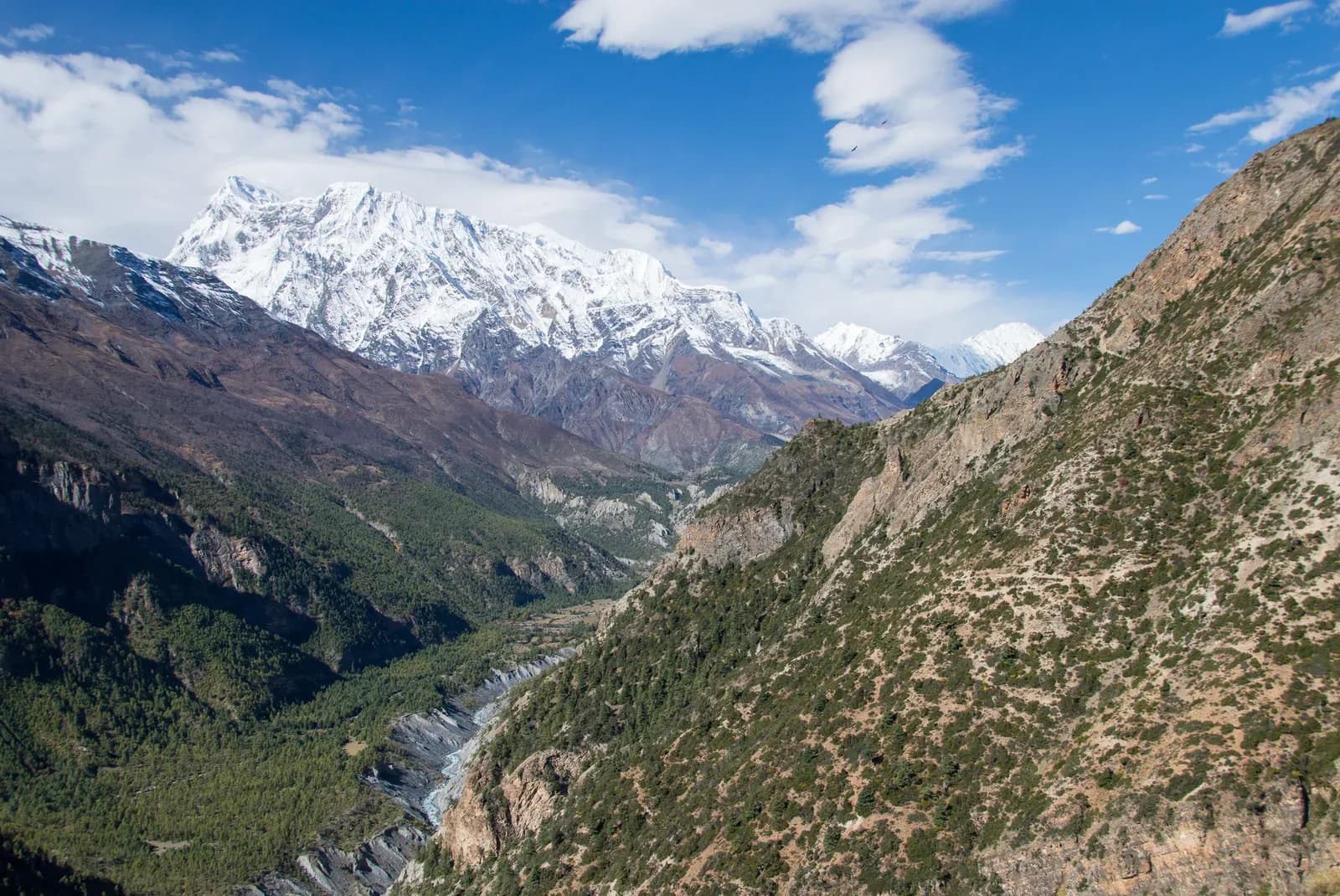
The walk up the Marsyangdi through pine and fir

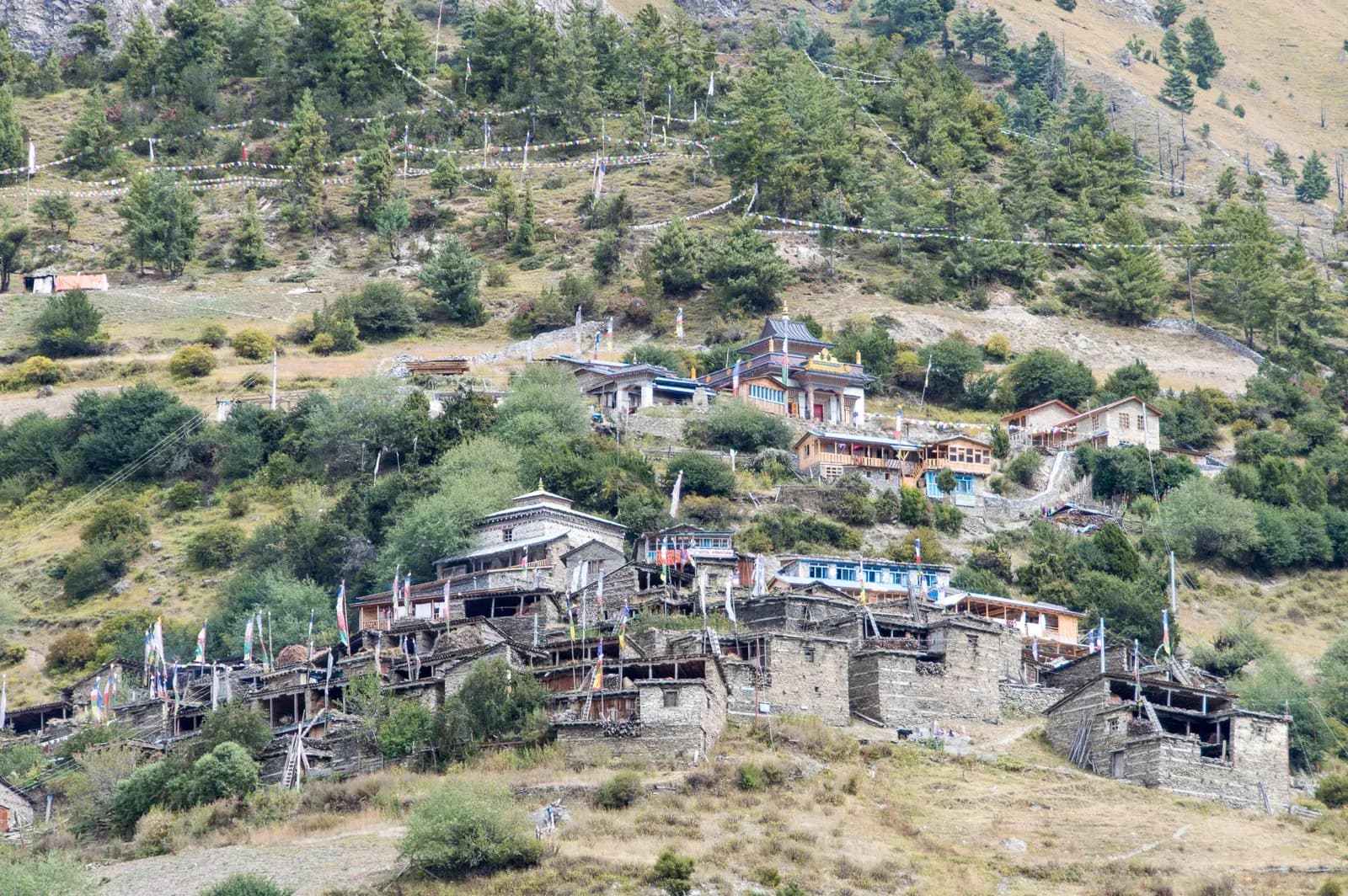
The high route through Ghyaru and Ngawal

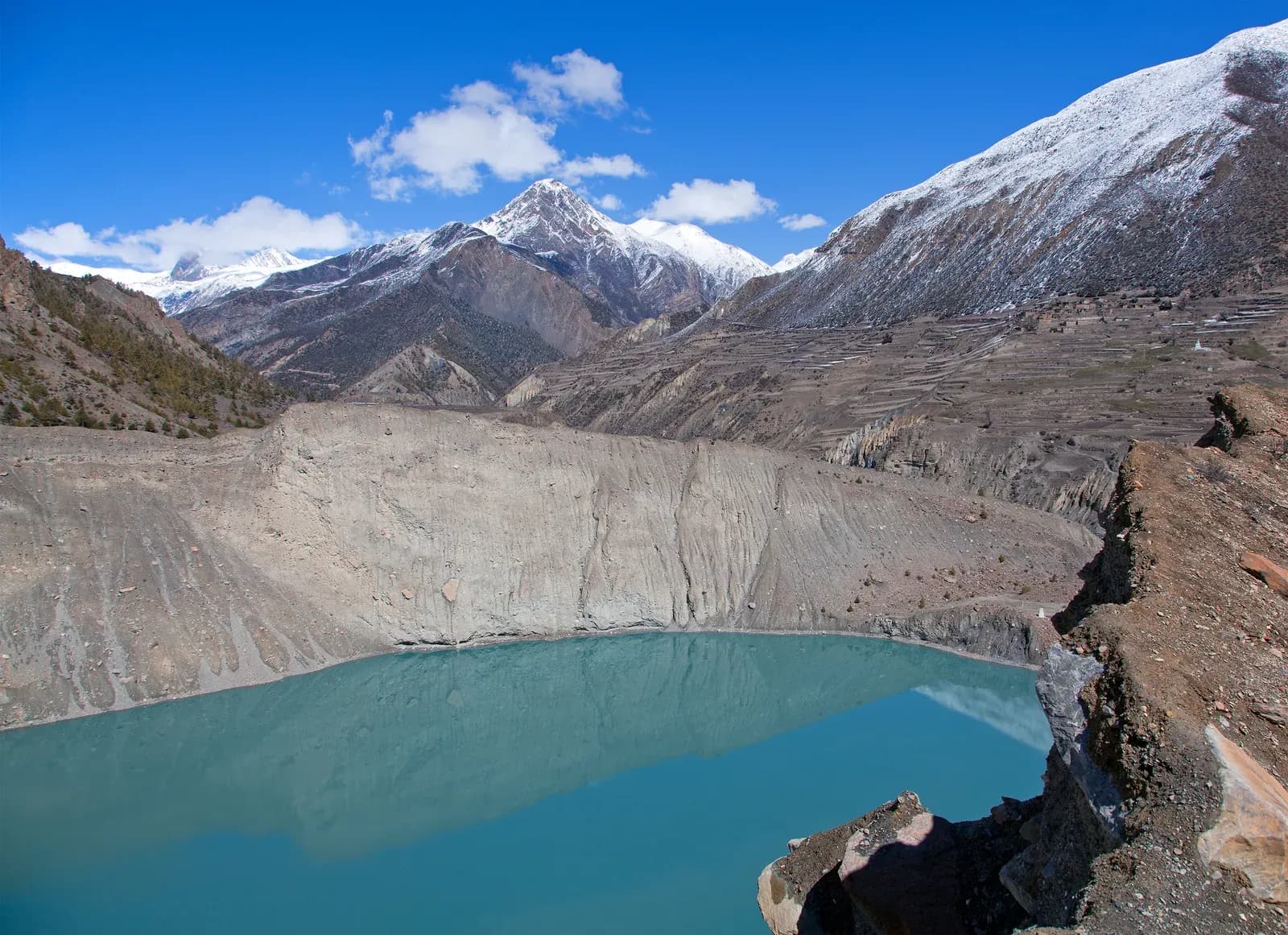
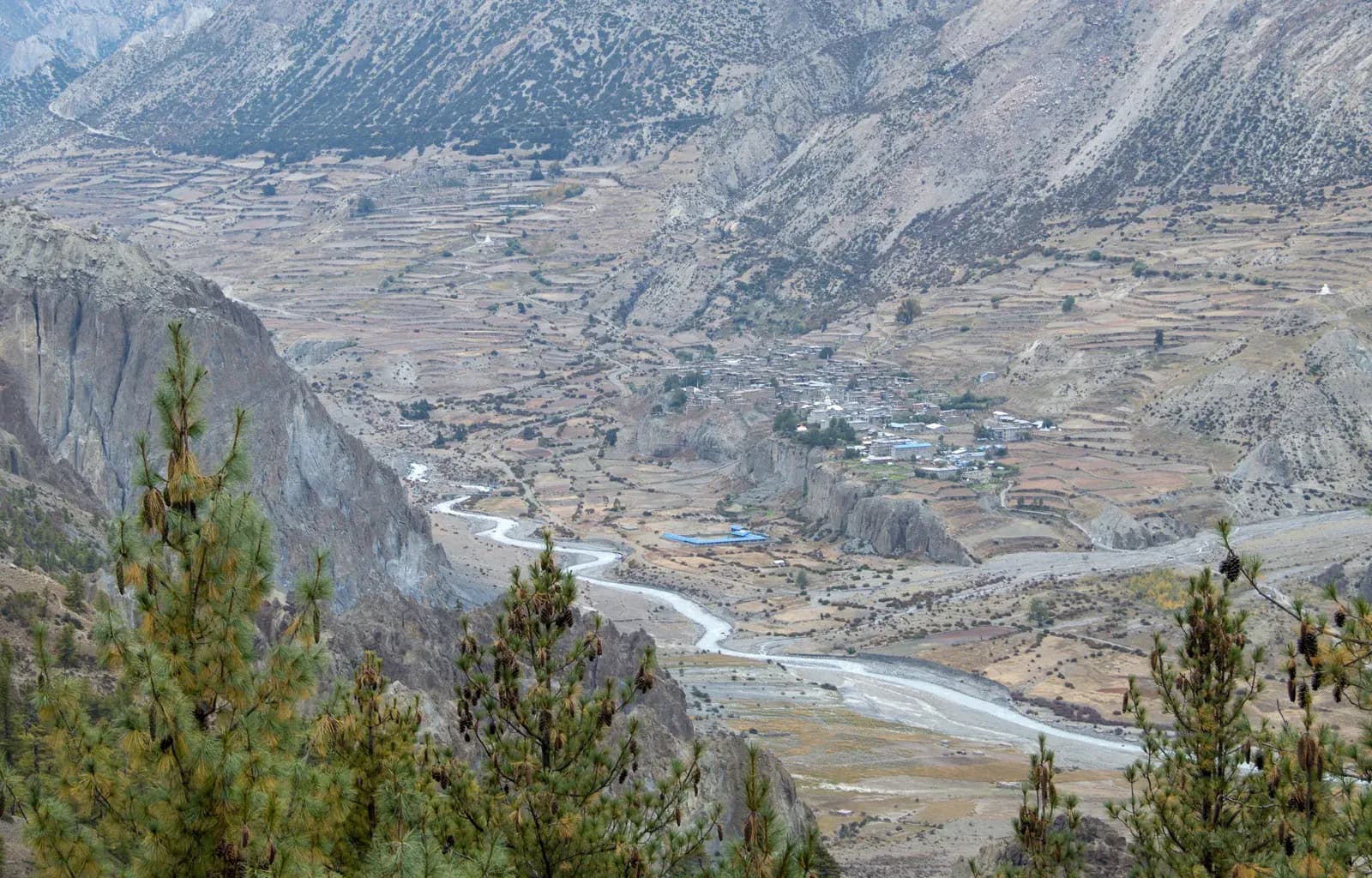
The active acclimatisation hike to Gangapurna Lake

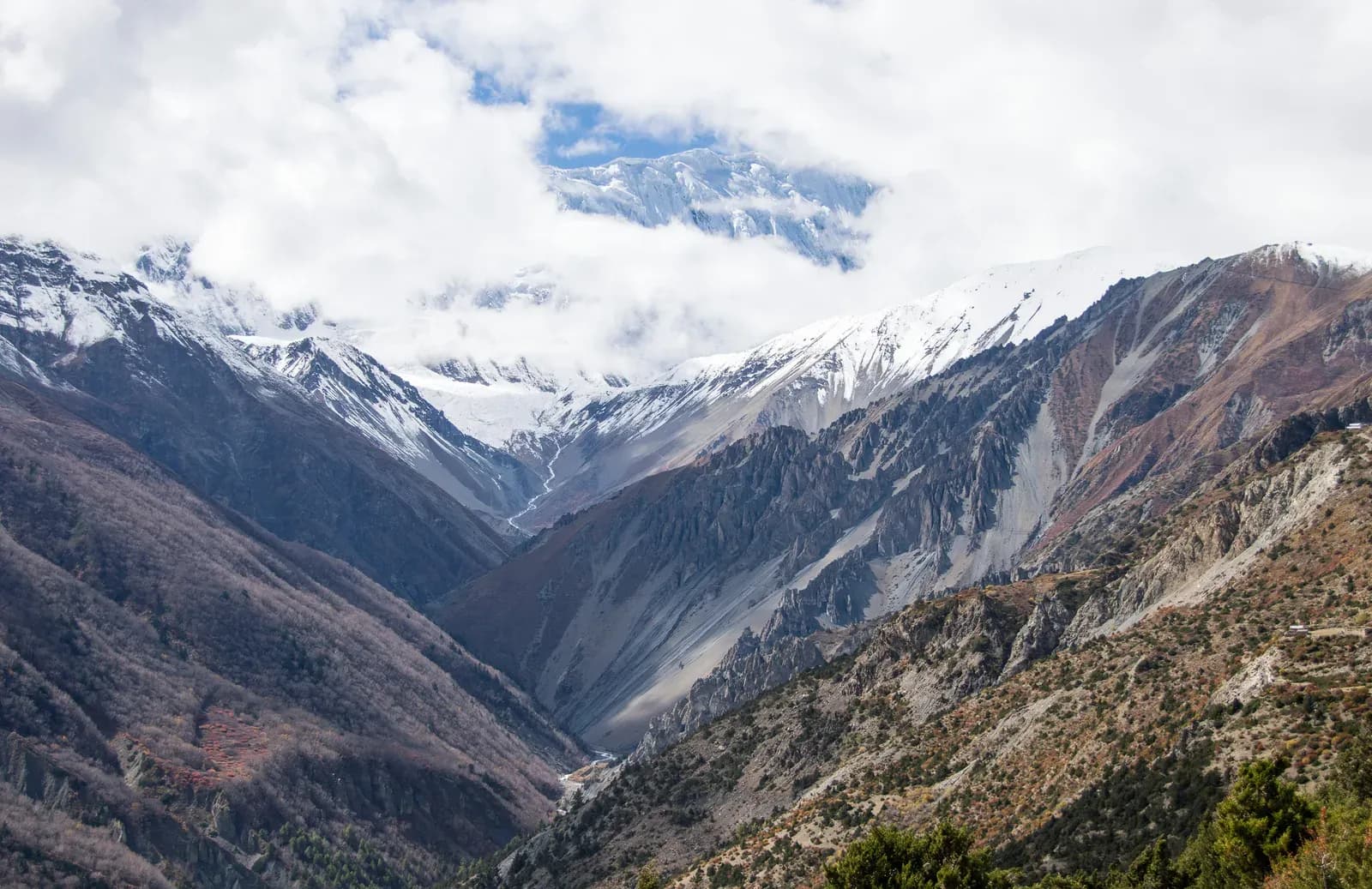
Leaving the main circuit for the quieter Khangsar valley

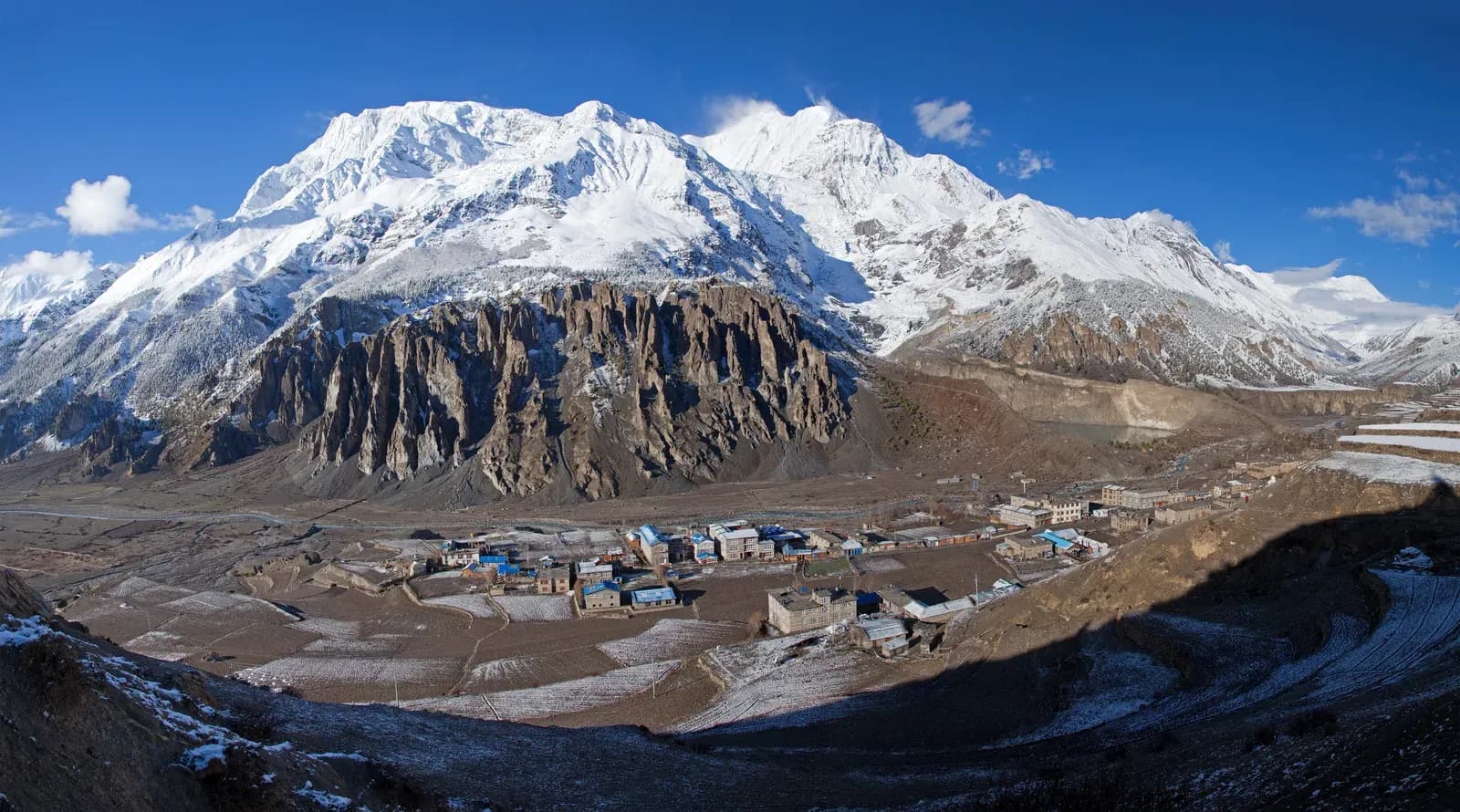
The Grande Barrier wall of peaks coming into view

The pre-dawn start to beat the wind and clear the approach

An easier descent with the high days behind you

The landscape softening from steppe back to forest

The descent out of the mountains by road

The road back to Kathmandu