Loading...
Loading...

Everest Base Camp, Cho La Pass (5420 m) and the Gokyo Lakes in one trek, run anticlockwise for safer acclimatisation. One fully-supported tier.
The full three-objective Khumbu circuit over 18 days: EBC and Kala Patthar, the glaciated Cho La Pass at 5420 m, then the Gokyo Lakes. One fully-supported tier, run anticlockwise on purpose.
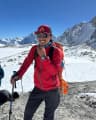
Three objectives over 5300 m and a glaciated pass at 5420 m, across roughly two weeks of walking with several long days. The Cho La day starts before dawn and includes ice and a glacier crossing. There is no technical climbing, but the altitude and the sustained days make this the hardest trek we run.
We go EBC first, then Cho La, then Gokyo. You acclimatise on the main Everest trail with two rest days before the pass, and you cross Cho La from the easier Dzongla side rather than the steep icy Gokyo side. It is the safer sequence, and we run it for that reason, not for novelty.
Cho La is a genuine pass. The crossing begins before dawn to get over on firm snow, crosses a glaciated section where crampons or microspikes are needed, and is followed by the Ngozumpa Glacier crossing. We provide the crampons or microspikes as part of the trek.
Rooms are better in the lower villages from Lukla to Namche. Higher up, and especially at Dzongla, Dragnak, Lobuche and Gorak Shep, accommodation is basic teahouse standard for everyone. There is no premium lodging at the pass approaches, and we do not pretend otherwise.
Fit trekkers with some multi-day walking behind them who want all three Khumbu objectives in one trip. Ideally not your first time at altitude. Altitude affects everyone regardless of fitness, which is why the pacing and the acclimatisation days are fixed.
Set your group size and choose a preferred departure. The product stays the same; only the per-person price changes by group-size band.
4 included · 1 not included
This is the hardest trek we run. It is strenuous, not because of technical climbing, but because of what it stacks together: Everest Base Camp, Kala Patthar at 5545 m, the glaciated Cho La Pass at 5420 m, and Gokyo Ri at 5357 m, across about two weeks of walking with several long days. The Cho La day is the hardest, a pre-dawn start, a steep climb, a glaciated section crossed on crampons or microspikes, and a careful descent, eight hours or so in total. You should be fit enough to walk six to eight hours on consecutive days and, ideally, have been at altitude before. There is no ropework, but the altitude and the sustained days are real.
Cho La is a genuine mountain pass at 5420 m, not a walk-up. The crossing starts before dawn so you are over while the snow is firm. The approach is a steep rocky climb, and near the top there is a glaciated section where you use crampons or microspikes, which we provide. The descent off the western side is on loose rock and ice and needs care. We run the trek anticlockwise specifically so you cross from the Dzongla side in the east, which is more manageable than the steep, icy scramble up from the Gokyo side. Your guide and an assistant guide are with you for the crossing.
Two reasons, both about safety. First, acclimatisation: by going to Everest Base Camp first you spend your first week on the main Everest trail, with real villages and two acclimatisation days at Namche and Dingboche, so you reach the Cho La already adapted to the altitude. Going the other way pushes you up the quieter Gokyo valley faster, with less margin. Second, the pass itself is easier and safer crossed from the Dzongla side in the east than scrambled up the steep, icy western side from Gokyo. Some operators sell the clockwise direction without explaining this trade-off. We run anticlockwise and tell you why.
Yes, the glaciated section near the top of the Cho La needs crampons or microspikes, depending on the season and conditions, and we provide them as part of the trek. We treat this as basic safety kit, not an optional rental you sort out yourself or find you need at the last teahouse. You do not need to be an ice climber to use them; your guide shows you how on the day and sets the line across the ice. You should still bring sturdy, broken-in boots that the crampons or microspikes can fit.
Eighteen days door to door, with fifteen active trekking days. That includes two acclimatisation days on the Everest side at Namche and Dingboche, a held acclimatisation day at Gokyo for the fourth and fifth lakes, and a buffer day in Kathmandu at the end for Lukla flight weather. We build in that buffer day on purpose, because mountain flights are regularly delayed and we would rather protect your international connection than run a tight one. The shorter fifteen and sixteen day versions sold elsewhere usually drop an acclimatisation day or the buffer; on a trek with a glaciated pass and three objectives over 5300 m, we do not.
Altitude is the main risk on this trek and it is managed by protocol, not optimism. The route is paced gradually and run anticlockwise so you acclimatise on the Everest side before the pass. There are two acclimatisation days built in at Namche and Dingboche and a held day at Gokyo, each using the climb-high-sleep-low pattern. At altitude your guide monitors the group daily and is trained to spot early signs of altitude sickness, and the rule is clear: if symptoms are serious, the response is to descend. Altitude sickness has no reliable link to age or fitness, so the protections are the same for everyone. Travel insurance covering trekking to 6000 m and helicopter evacuation is required.
Honestly, we would not recommend it as a first time at altitude. This is the hardest trek we run, with a glaciated 5420 m pass and three objectives over 5300 m, and it suits trekkers who already have some multi-day walking and ideally some altitude behind them. If you are set on the Everest region for a first high-altitude trek, the standalone Everest Base Camp or Gokyo Lakes routes are better starting points, and you could come back for the full Khumbu circuit later. If you do have some altitude experience and good fitness, this trek is achievable with honest preparation and respect for the pacing.
Two permits, both for the Everest region, and we arrange both for you. The Sagarmatha National Park entry permit is 3000 Nepalese rupees for foreign trekkers, plus applicable VAT, and the Khumbu Pasang Lhamu Rural Municipality permit, sometimes called the Trek Card, is another 3000 rupees, bought at Lukla or Monjo rather than in Kathmandu. That is roughly 40 to 45 US dollars in total at current rates. The Cho La Pass needs no separate permit, as it is inside the same national park.
Spring, from March to May, and autumn, from late September to November, are the two seasons for this trek. Autumn gives the clearest, most stable mountain weather and is the most reliable for the pass. Spring is warmer lower down with longer days. Winter is possible lower on the route but the Cho La is often blocked by snow and is best avoided then, and the summer monsoon brings cloud, rain and flight delays. The pass can hold snow in any shoulder season, which is part of why crampons or microspikes are provided and why the crossing is timed for an early, firm-snow start.
Lukla flights are weather-dependent and delays are common, which is exactly why we build a buffer day into the trek at the Kathmandu end. If a flight slips by a day, the buffer absorbs it rather than eating into your international connection. In the peak spring and autumn seasons the Lukla flight runs from Ramechhap rather than Kathmandu, which means an early road transfer of several hours; we tell you which applies to your dates. If weather causes a longer disruption, your guide and our Kathmandu operations work through the options with you, which can include a helicopter transfer at additional cost when one is available.
Because the route is already at its limit and we will not cut safety to make a cheaper version. Our other treks offer Trail, Journey and Transformation tiers that differ in things like meals, porter support and lodging. This trek has one fully-supported tier instead: a licensed guide and an assistant guide for the pass, a porter for every two trekkers, full board, the acclimatisation days, crampons for the pass and a buffer day, all included for everyone. The only ways to make it cheaper would be to drop the assistant guide, an acclimatisation day, or the crampons, and on a glaciated 5420 m pass those are not comfort cuts, they are safety cuts. So there is one tier and one standard.
Follow the trail from start to finish — every day is a new adventure.
This trek runs as a single, fully-supported tier. The licensed guide and assistant guide for the pass, the porter, full board, the acclimatisation days and the crampons are included for everyone. There is no stripped-back option, because nothing on a glaciated 5420 m pass should be.

Airport pickup and transfer

The Lukla mountain flight

The high suspension bridges over the Dudh Koshi

Climb-high-sleep-low acclimatisation hike

Ama Dablam on the skyline for much of the day

Pangboche, one of the oldest Khumbu villages

The Nangkartshang ridge hike to about 5083 m

The Thukla Pass memorials

Everest Base Camp at 5364 m

Sunrise on Everest from Kala Patthar at 5545 m, the trek's high point

The Cho La Pass at 5420 m, the glaciated crossing

Crossing the Ngozumpa Glacier, the longest in Nepal

The fourth and fifth Gokyo lakes

Sunrise from Gokyo Ri at 5357 m, the scenic finale

The descent through Phortse Thanga

The final descent down the Dudh Koshi

The flight out of Lukla

A built-in buffer for Lukla flight weather