Loading...

Manang to Mustang Crossing
The short Thorong La crossing done at the pace your body needs: four nights acclimatising in Manang, then the 5416 m pass.
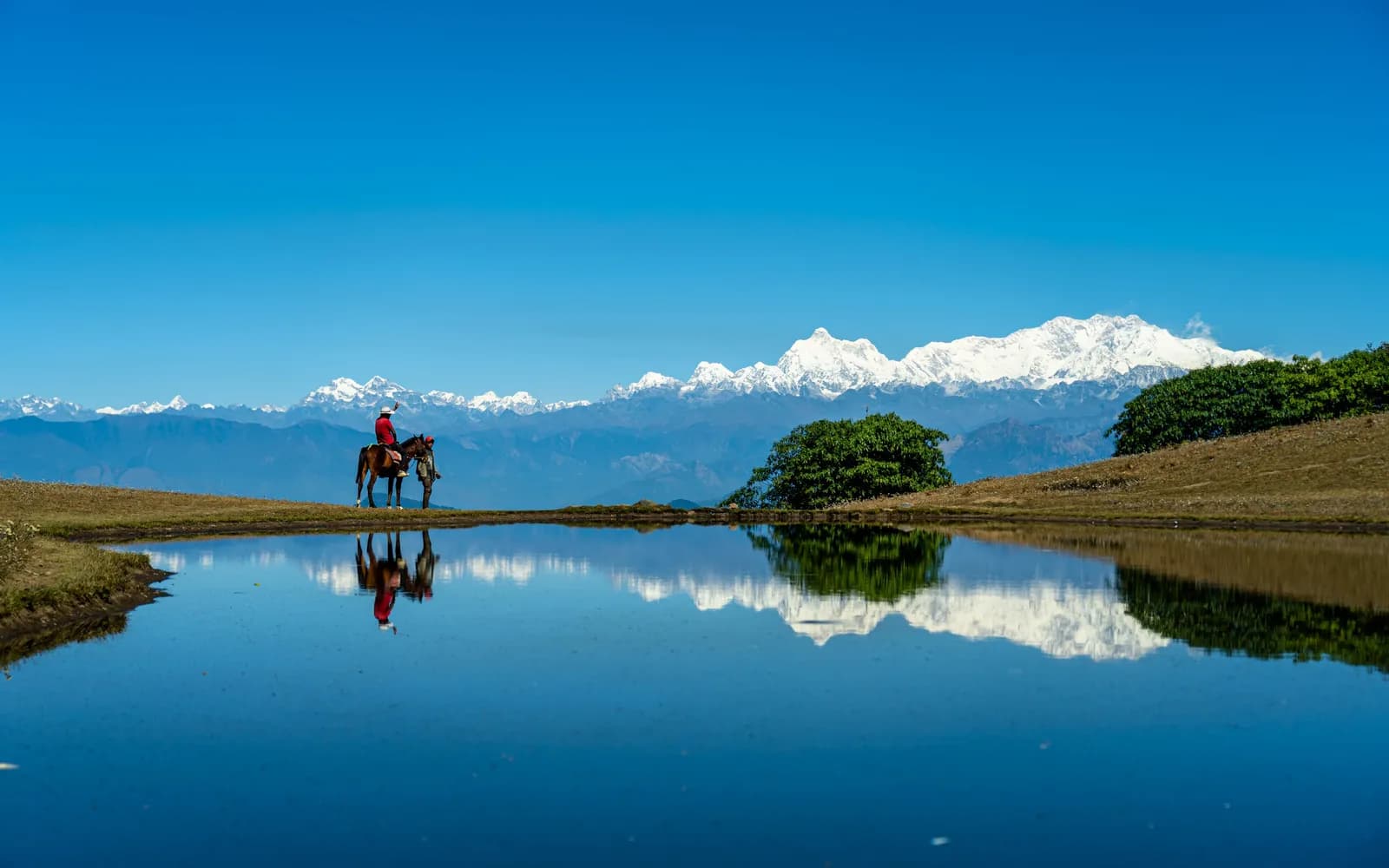
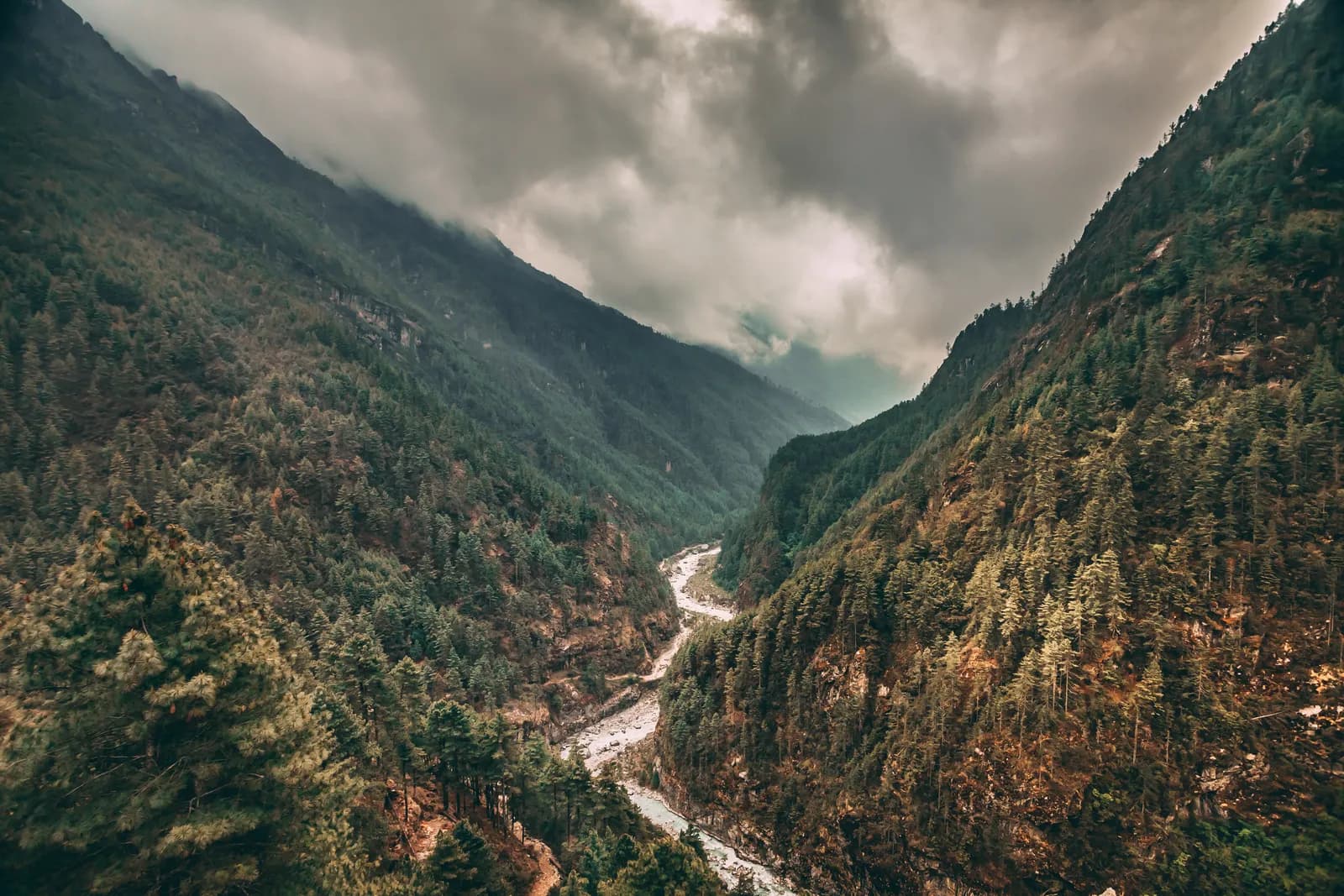
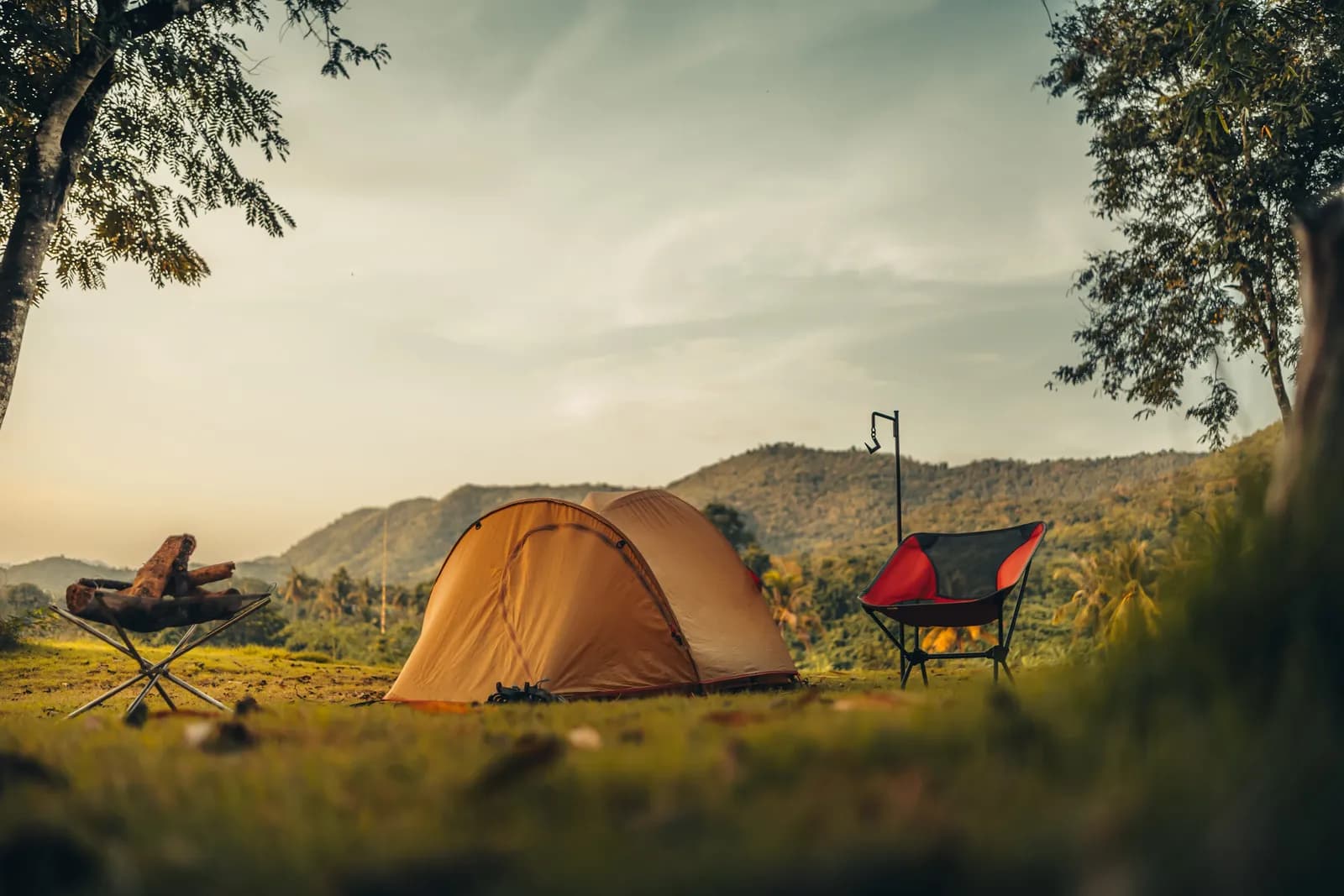
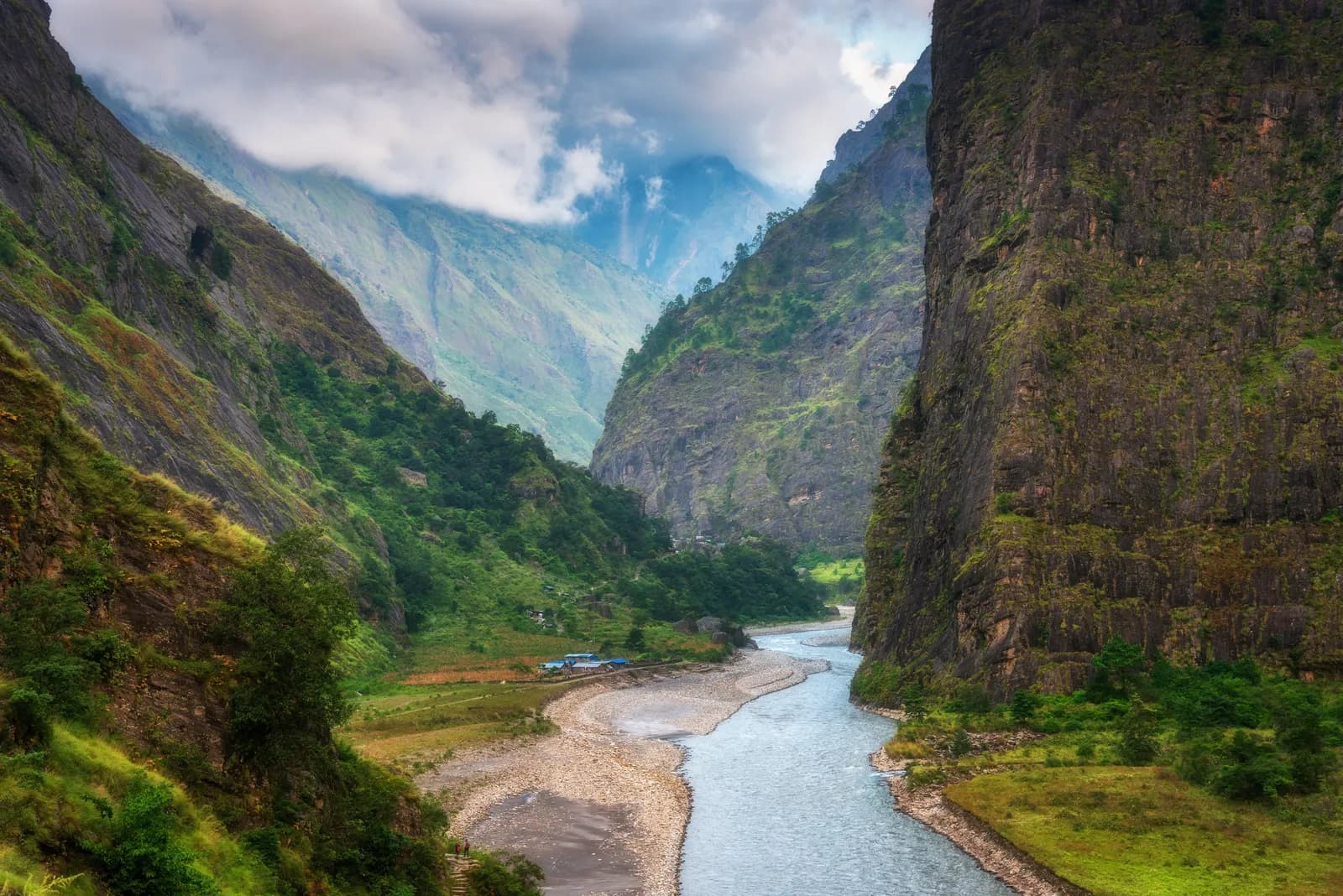
1 / 11
The short Thorong La crossing, paced for the altitude
A single guided pass crossing from Manang to Mustang over Thorong La at 5416 m. Four nights acclimatising in Manang first, then the pass on foot. One pace, because the pace is the point.
Trip Highlights
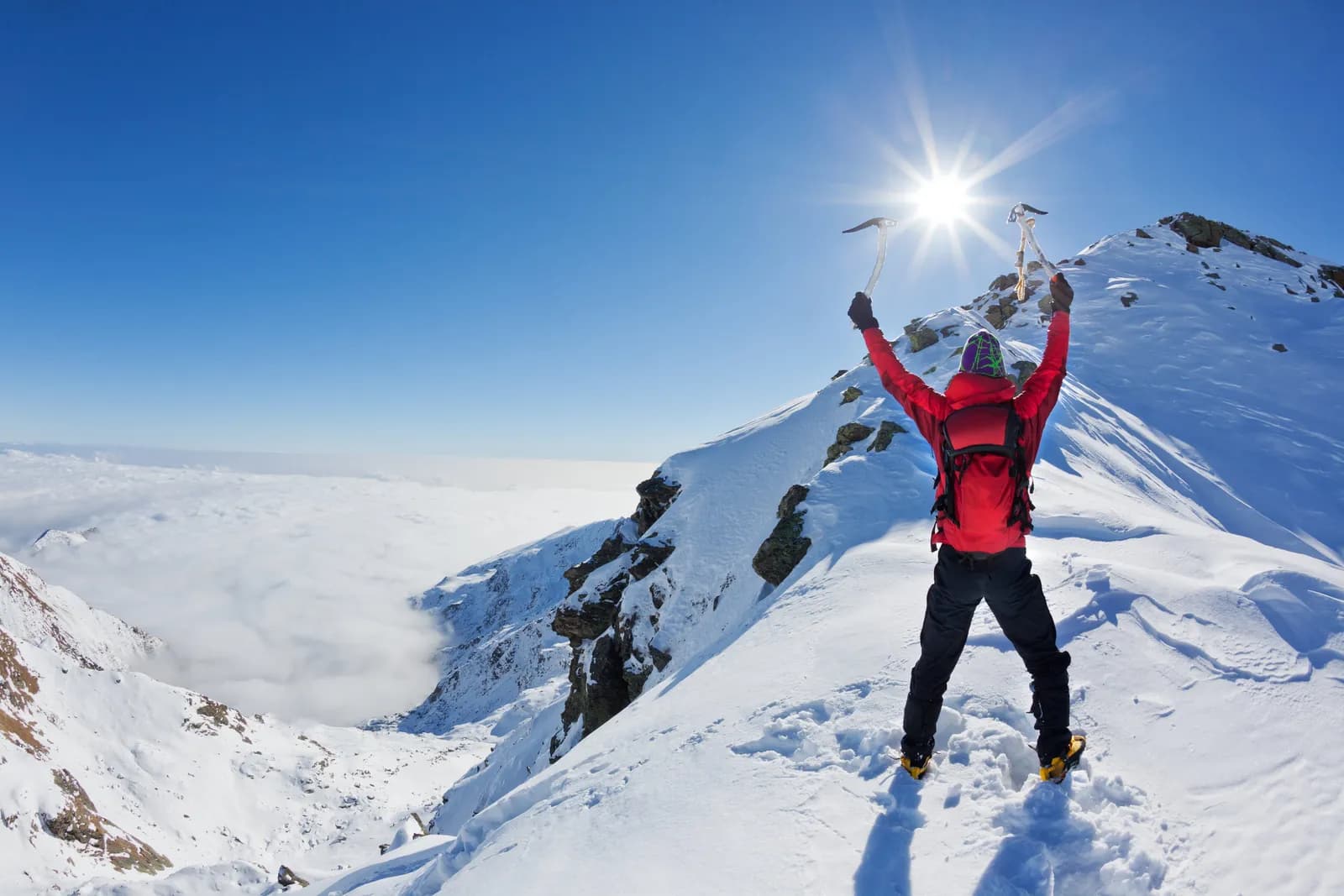
- Cross Thorong La at 5416 m on foot, the high point and defining day of the route
- Four nights acclimatising in and around Manang, the part most short crossings skip
- The Ice Lake viewpoint at 4620 m as a climb-high-sleep-low acclimatisation day
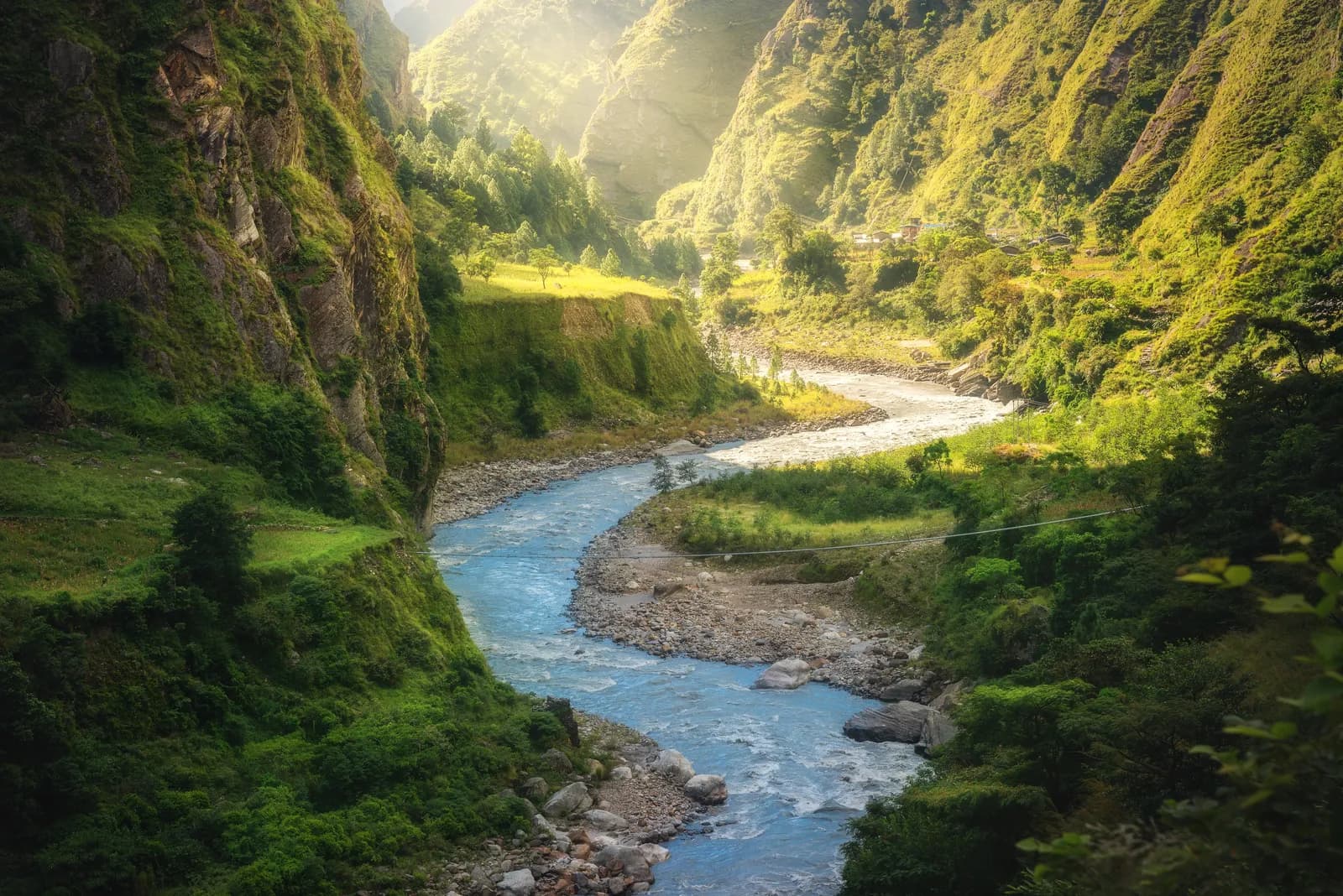
- Gangapurna Lake, Braga monastery, and the Tibetan-influenced Manang valley
- Muktinath, a major pilgrimage site, on the descent into Mustang
- Honest road-vs-walk disclosure and a real rest day before the pass
- One properly-paced product, pre-qualified, with the same safety for everyone
What to know before you book
What is hard
The pass day. A pre-dawn start, a climb to 5416 m, then a descent of roughly 1650 m to Muktinath. Eight to nine hours, and the single hardest day on the route.
The altitude reality
Manang to the pass is about 1900 m of sleeping-altitude gain over a few nights, faster than standard guidance. The four Manang nights, the Ice Lake day, and a full rest day are how we close that gap. This is the whole product.
Why it is pre-qualified
Altitude sickness does not track fitness or age, so we do not sell this to everyone. Prior multi-day trekking experience at altitude is expected, and we are honest upfront about who the route suits.
A crossing, not a tour
A vehicle takes you into Manang and out from Jomsom, but no road crosses Thorong La. The pass is a foot crossing, and we will not frame it as anything easier than it is.
Comfort, honestly
Manang has good lodging and unhurried days. Above Yak Kharka, teahouses are basic and cold for everyone. We do not pretend the high camps are comfortable.
What's Included & Excluded
Price Includes
- Annapurna Conservation Area Permit (ACAP)
- Licensed trekking guide
- Porter included
- Teahouse accommodation
- Full board on the trek
- Ground transport per itinerary
- Acclimatisation pacing and monitoring
- Fair porter and guide treatment
Price Excludes
- International flights
- Nepal entry visa
- Travel insurance with high-altitude evacuation cover
- Jomsom to Pokhara flight
- Tilicho Lake detour
- Tips for guide and porter
- Drinks, hot showers, charging and wifi at altitude
Group Pricing
Plan your trek
Set your group size and choose a preferred departure. The product stays the same; only the per-person price changes by group-size band.
One pace. Group-size pricing. This trek is not split into cheaper or more expensive versions. The acclimatisation schedule, guide authority, porter support, and descent protocol stay the same for every group.
What's included in Manang to Mustang Crossing
5 included · 2 not included
- Four Manang-area acclimatisation nightsBraga and Manang, with the Ice Lake day and a full rest day before the pass. This is the core of the product, not an upsell.
- All meals includedFull board for the whole trek, breakfast, lunch and dinner.
- Porter includedOne porter per two trekkers, fairly paid above market, insured, with a load cap. On a high pass a porter is a safety aid, not just comfort.
- Licensed guide and descent protocolA licensed, insured guide for the whole route, with the authority to turn the group back if weather or health requires it.
- ACAP permit and ground transportThe required Annapurna permit, the jeep in to Manang, and the jeep out from Jomsom to Pokhara.
- Jomsom to Pokhara flightAvailable as an add-on; the jeep is the dependable base as Jomsom flights are wind-dependent.
- Tilicho Lake detourAvailable as a paid add-on with its own acclimatisation profile; a serious high-altitude extension, not a casual extra.
Frequently Asked Questions
It is a challenging trek with one very demanding day. Most days are moderate walks of four to six hours, but the pass day is a pre-dawn start, a climb to 5416 m, and a descent of roughly 1650 m to Muktinath, eight to nine hours in total. There is no technical climbing, but the altitude and the length of the pass day make it genuinely hard. The front half is deliberately gentle to prepare you for that day. Four nights acclimatising in Manang, including the Ice Lake day and a full rest day, are built in precisely because the pass is hard. This is why we pre-qualify the trek rather than sell it to anyone.
The climb from Manang at 3540 m to Thorong La at 5416 m is close to 1900 m of sleeping-altitude gain over a small number of nights, which is faster than standard acclimatisation guidance. We manage this directly with four nights in the Manang area, a climb-high-sleep-low day to the Ice Lake viewpoint, and a full rest day before the pass. Your guide carries a pulse oximeter, monitors the group at altitude, and has the authority to turn anyone or the whole group back. Altitude sickness has no reliable link to fitness or age, so being a strong walker does not make you exempt. That is why this trek is pre-qualified and why we will not sell the rushed version as a safe shortcut. You must carry travel insurance that covers trekking above 5000 m and helicopter evacuation; we ask for proof before departure.
This route suits fit walkers who have done multi-day treks at altitude before and want to cross Thorong La without the gamble of the rushed versions. We ask about your trekking history and are honest upfront about what the route demands, because a 5416 m pass is not the place for a first high-altitude experience. Pre-qualification here is advisory, not a test you pass or fail. It is a conversation so that the people on the pass day are prepared for it. If the route is not right for you yet, we will say so, and the Manang Valley journey is a lower, road-based alternative that tops out well below the pass.
Because the body needs them. The jump from Manang to the pass is faster than standard acclimatisation guidance allows, and the most reliable way to make the pass safer is to spend more nights adapting before it. The four nights are the Ice Lake day at 4620 m, a rest day, and the village days that surround them. Most short crossings give Manang one night, or skip it, to keep the trip cheap and short. That choice raises altitude risk on the hardest day. We made the opposite choice, and it is the whole reason this route exists as its own product.
No. A vehicle takes you into Manang and picks you up again at Jomsom, but no road crosses Thorong La. The pass is a foot crossing, and the day from the high camp over the pass to Muktinath can only be walked. This is a guided trek, not a tour. If you want the Manang valley by vehicle without the pass, that is a different LHJ product, the Manang Valley journey, which is road-based and stays well below the pass. This route is for people who specifically want to cross Thorong La on foot.
Eleven days door to door from Kathmandu and back, with six active trekking days. The length comes from the four Manang-area nights at the front and the jeep days in and out, not from extra trail. Shorter versions exist, but they get short by cutting the acclimatisation, which is the part we keep. If you have less time, the honest answer is that this is not the trek to compress, because the days you would cut are the safety days. We would rather tell you that than sell you a rushed crossing.
You need the Annapurna Conservation Area Permit (ACAP), which we arrange for you, around NPR 3000 for foreign trekkers. A licensed guide is mandatory in the Annapurna region, and that is included. The TIMS card is not currently checked on the Annapurna trails, though rules can change and we verify each season. One ACAP also covers the Tilicho Lake add-on if you choose it. The cost of permits is small relative to the trip; the main costs are guide and porter days, transport, and the days on the route.
Spring, from March to May, and autumn, from September to November. These give the most stable weather for the pass, which is the deciding factor. Manang sits in the Annapurna rain shadow, but the road in is vulnerable to monsoon landslides in summer, and winter can close the pass with snow. Within those windows, the pass weather and the few high-camp teahouses are the things to plan around. We book the high camps ahead in peak season because they fill quickly.
Yes, as a paid add-on with its own acclimatisation profile. Tilicho Lake sits at 4919 m, and adding it before a 5416 m pass is a serious, committing piece of high-altitude routing, so it is built deliberately with extra nights on the Tilicho side, not bolted on casually. Because it raises the overall demand of the trip, the same pre-qualification applies and we will talk it through with you before confirming. It is for trekkers who are well acclimatised and want the bigger route, not a casual checkbox.
Mixed, and we are honest about it. In Braga and Manang there is genuinely good lodging, with decent rooms and, where available, hot showers. Those are the comfortable nights. Above Yak Kharka, and especially at the high camp below the pass, the teahouses are basic and cold for everyone, with shared facilities and simple rooms. No tier or price changes the high camps; they are basic for everyone because of where they are. A warm sleeping bag matters up there. After the pass, comfort returns as you descend into Mustang and on to Pokhara.
Day by Day
Your Journey
Follow the trail from start to finish — every day is a new adventure.
This product is deliberately not split into cheaper or more expensive versions. A pass crossing has one correct pace; a cheaper version would cut the Manang acclimatisation nights that are the point of the route. There is one version, pre-qualified, with the same guide, pacing, rest day, and descent protocol for everyone. Price varies only with group size, not with how much safety you buy.
Day 01
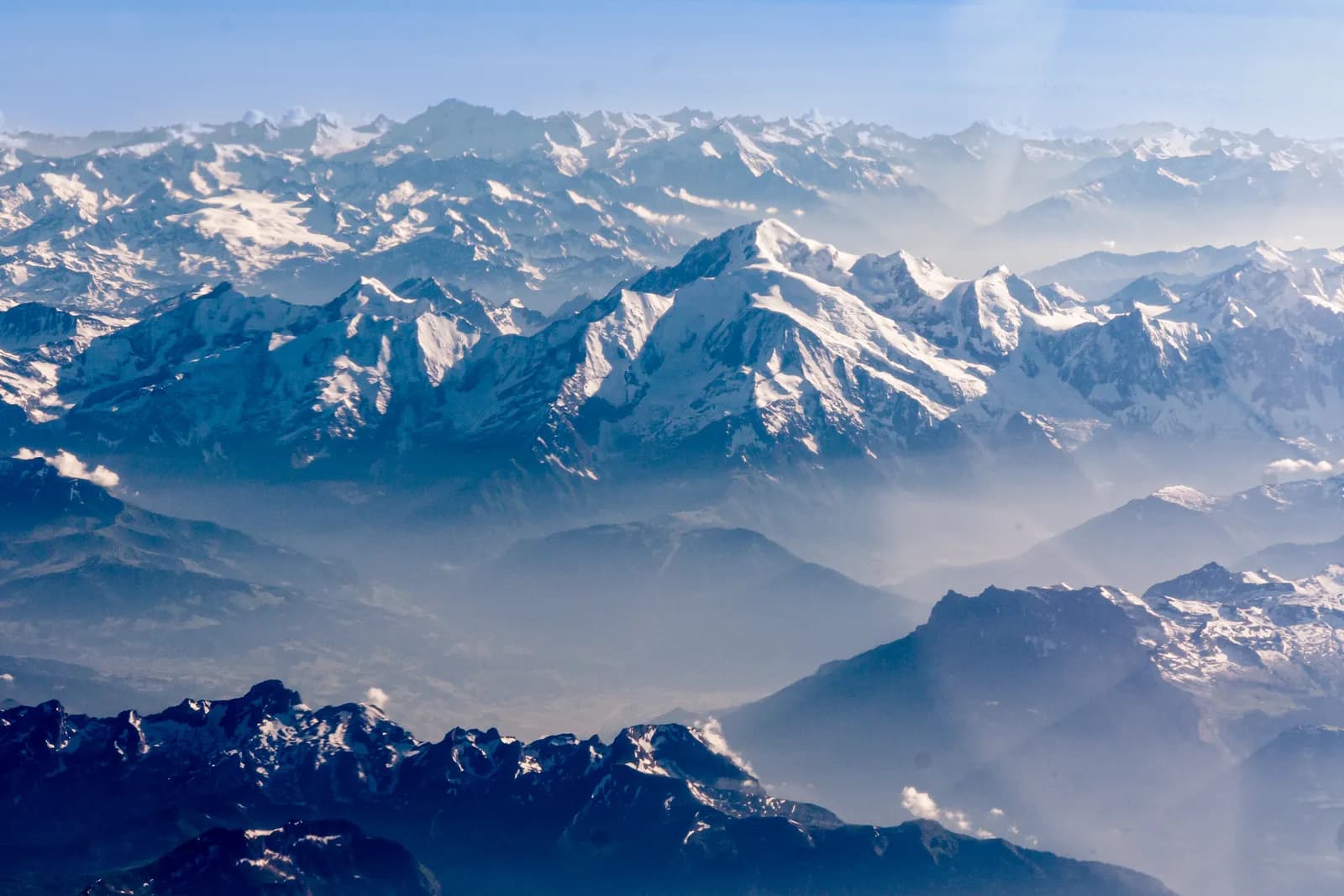
easyStandard teahouseBreakfastLunchDinner
Kathmandu to Besisahar
- Sleep
- 760 m
- High
- 1,400 m
The drive up the Marsyangdi valley
SafetyAn easy first night before the altitude begins
Day 02
moderateStandard teahouseBreakfastLunchDinner
Besisahar to Braga
- Sleep
- 3,450 m
The Marsyangdi gorge road, cliff-carved and dramatic
ContextApple farms at Bhratang
CultureBraga monastery set into the cliff
Day 03
easyStandard teahouseBreakfastLunchDinner
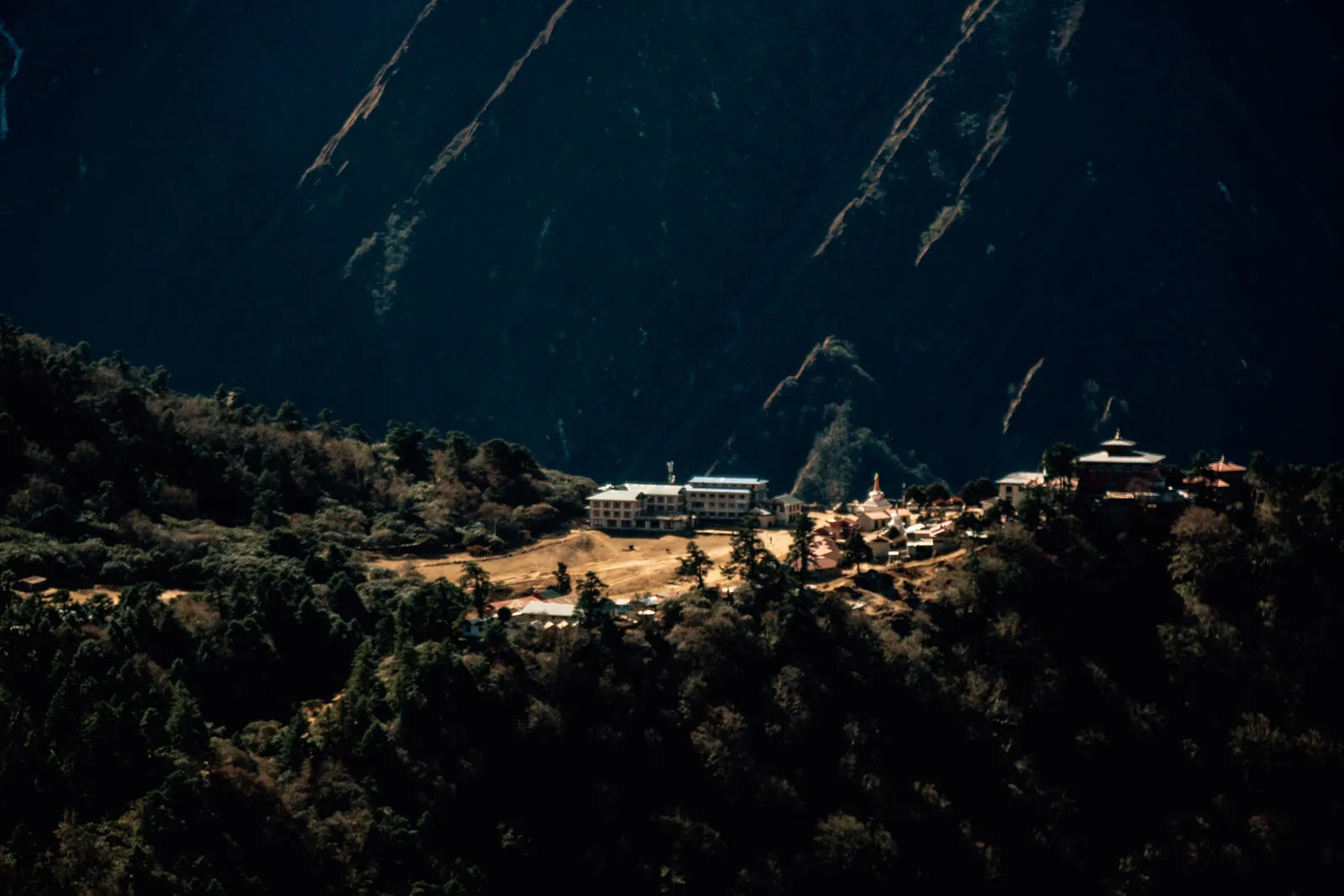
Braga to Manang and village day
- Distance
- 4 km
- Walking
- 1.5 hrs
- Sleep
- 3,540 m
Gangapurna Lake below the glacier
CultureThe old lanes and monastery of Manang village
SafetyA deliberately easy day to protect acclimatisation
Day 04
challengingStandard teahouseBreakfastLunchDinner
Ice Lake acclimatisation day
- Distance
- 8 km
- Walking
- 5 hrs
- Sleep
- 3,540 m
- High
- 4,620 m
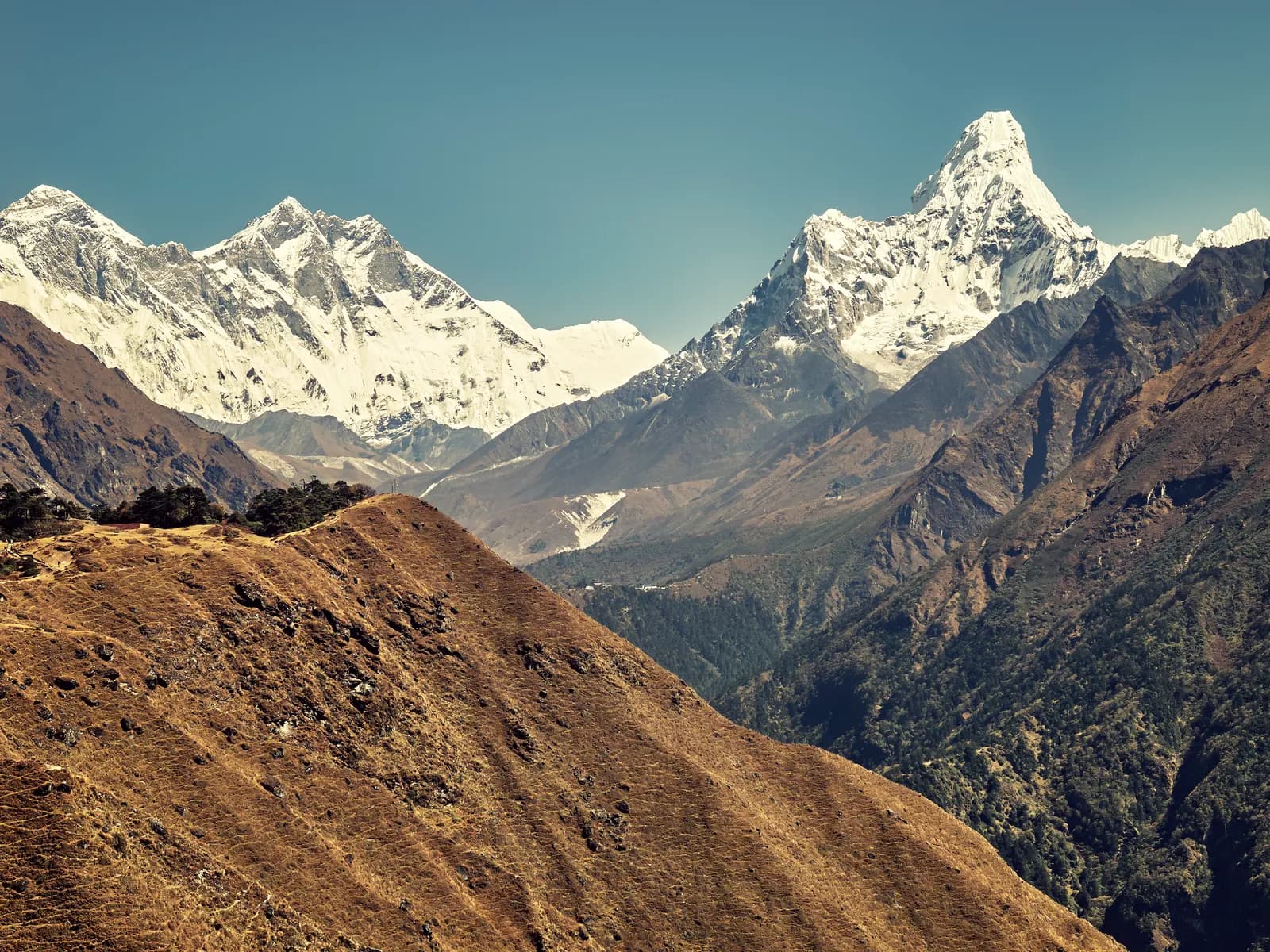
The Ice Lake viewpoint at 4620 m
SafetyClimb-high-sleep-low, the core acclimatisation principle
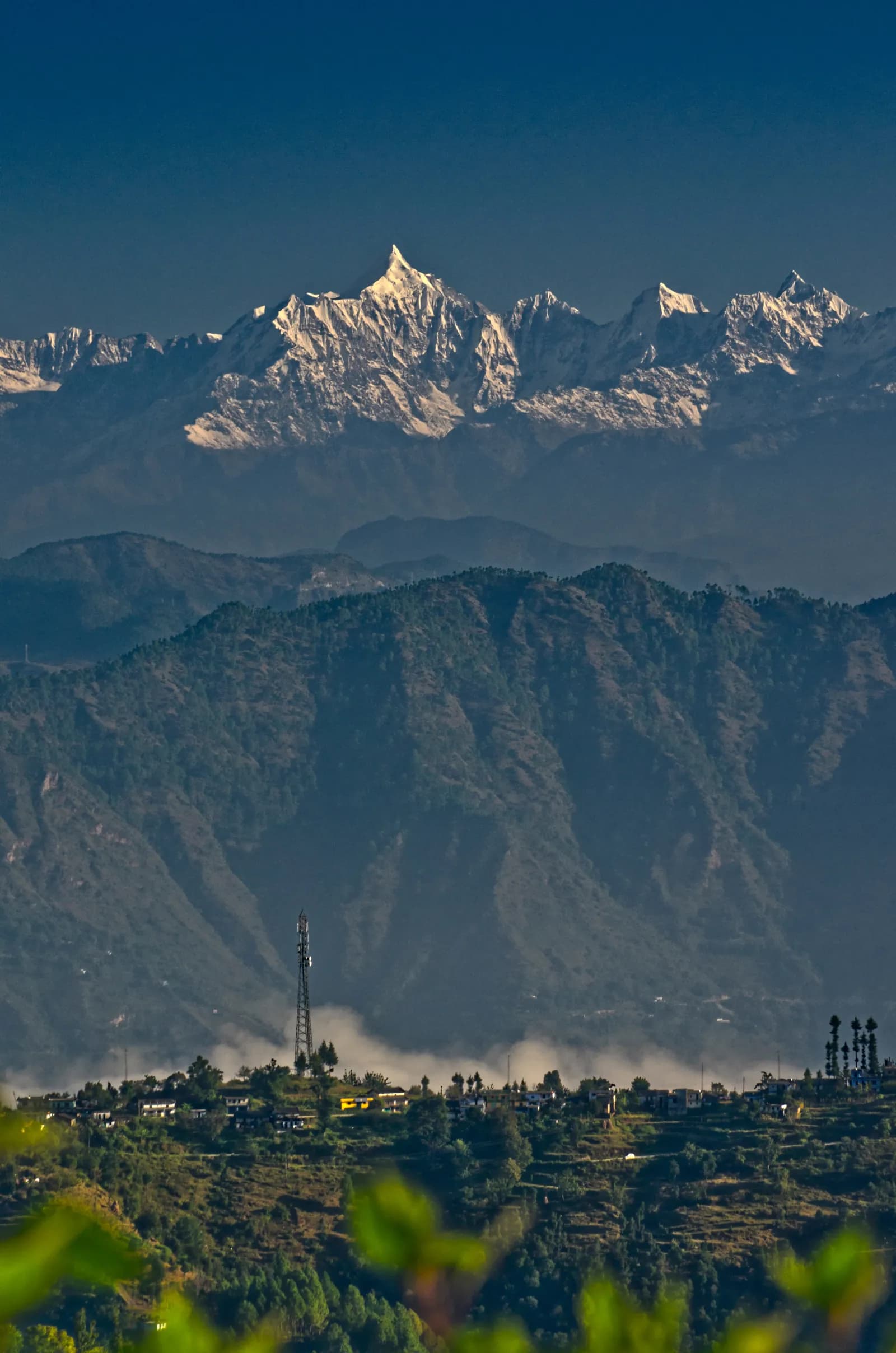
RouteThe full Annapurna range across the valley
Day 05
easyStandard teahouseBreakfastLunchDinner
Manang rest and acclimatisation day
- Sleep
- 3,540 m
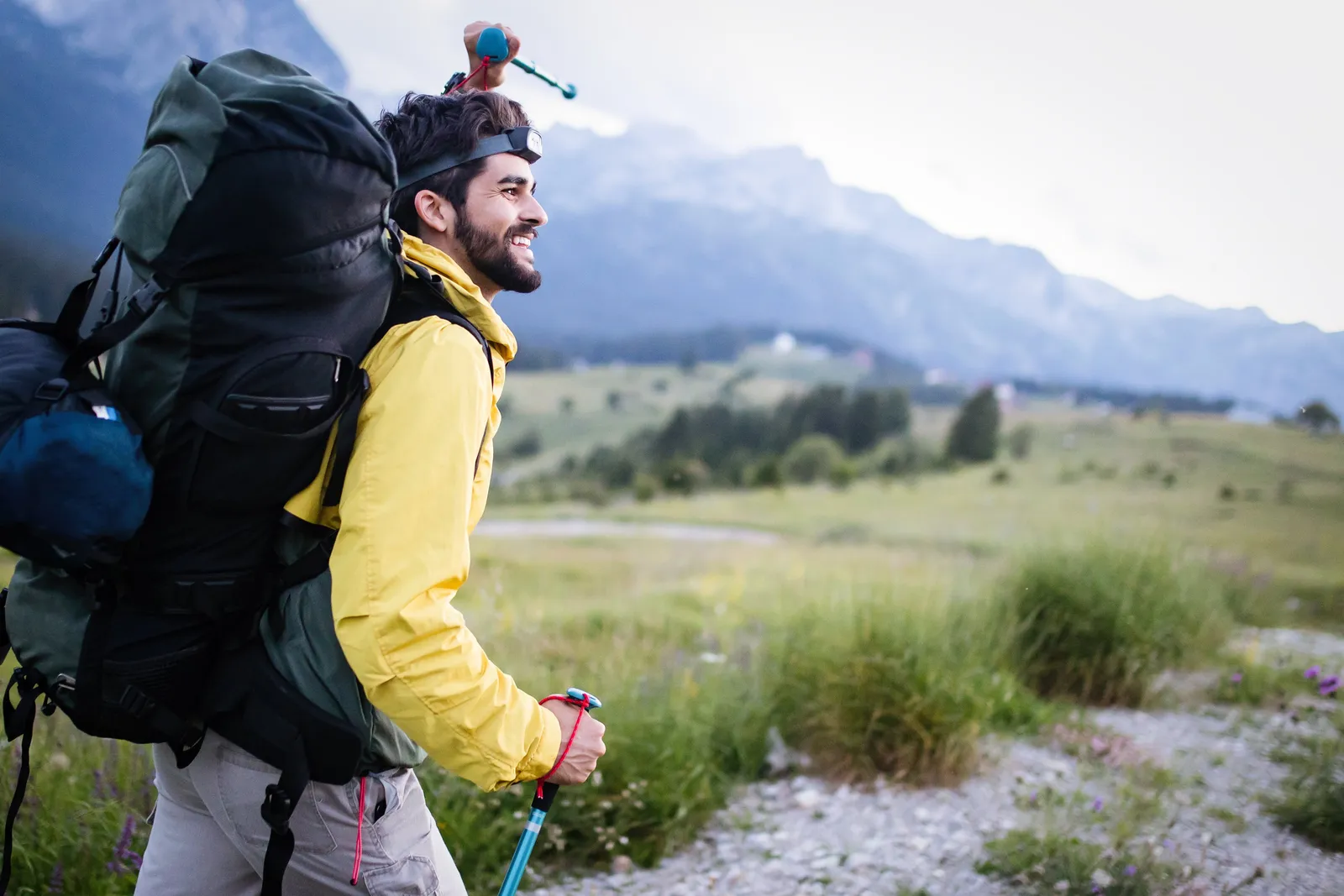
A genuine rest day before the pass
CultureOptional gentle walk to Praken Gompa
SafetyThe acclimatisation margin the drive-in requires
Day 06
moderateStandard teahouseBreakfastLunchDinner
Manang to Yak Kharka
- Distance
- 10 km
- Walking
- 5 hrs
- Sleep
- 4,050 m
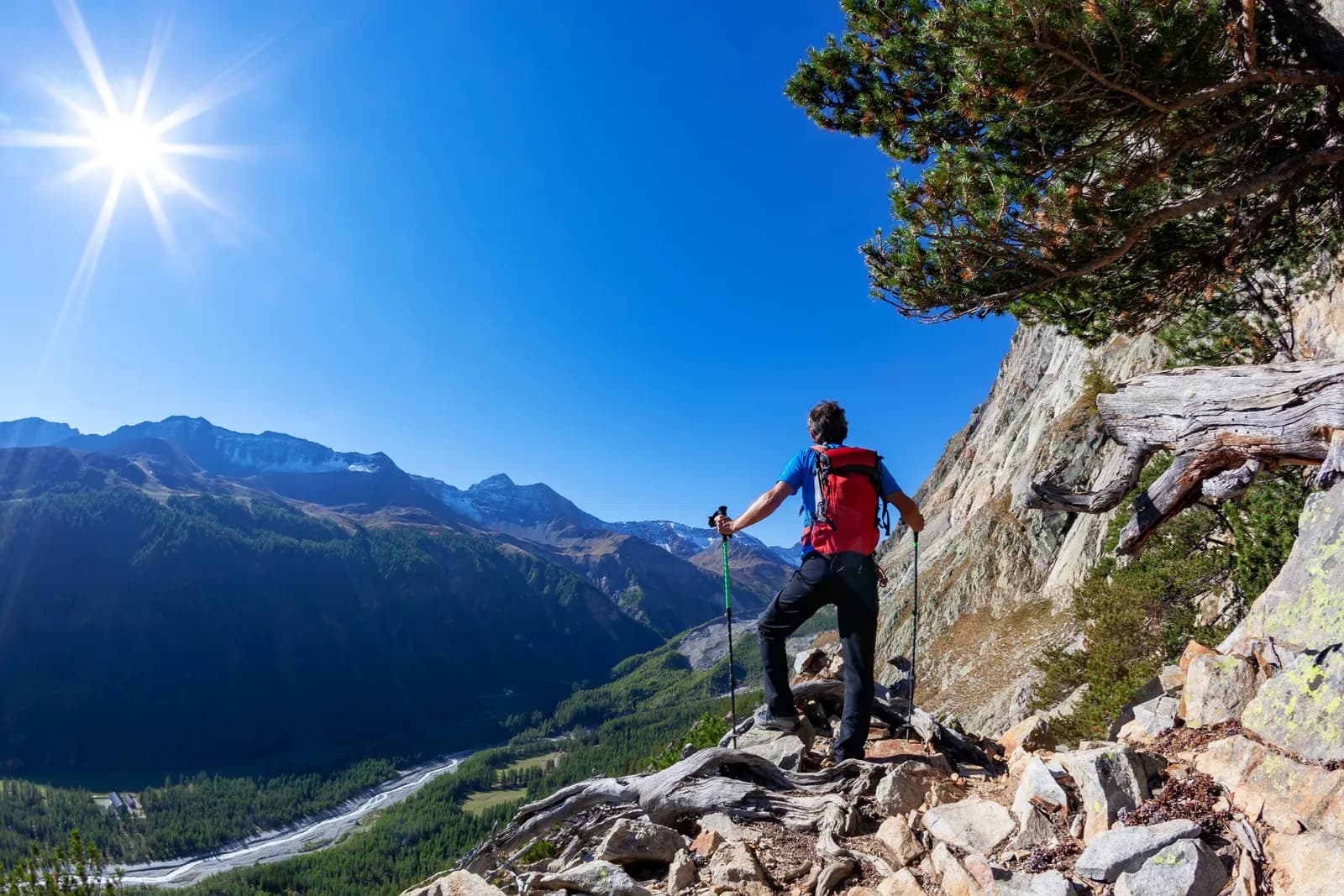
First night in the high zone at 4050 m
SafetyThe valley opening out toward the pass
ContextA deliberately modest first day of the approach
Day 07
challengingStandard teahouseBreakfastLunchDinner
Yak Kharka to Thorong Phedi or High Camp
- Distance
- 7 km
- Walking
- 4 hrs
- Sleep
- 4,525 m
- High
- 4,880 m
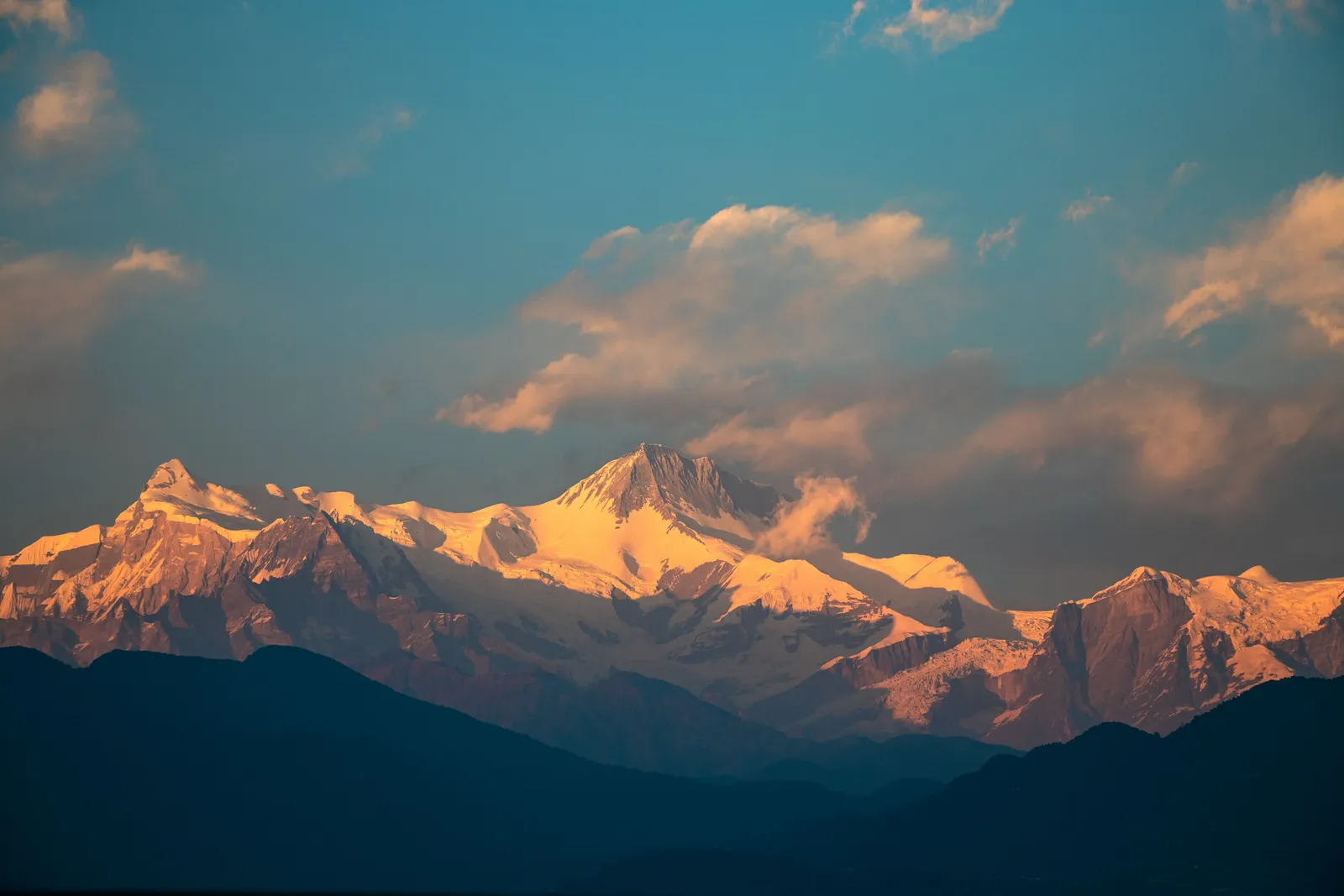
The approach to the foot of the pass
SafetyAbove 3,500 m: follow the altitude protocol.
AltitudeGuide decides Phedi or High Camp based on the group
AltitudeHonest, basic high-camp lodging for everyone
Day 08
challengingStandard teahouseBreakfastLunchDinner
Thorong La 5416 m to Muktinath
- Distance
- 15 km
- Walking
- 8.5 hrs
- Sleep
- 3,760 m
- High
- 5,416 m
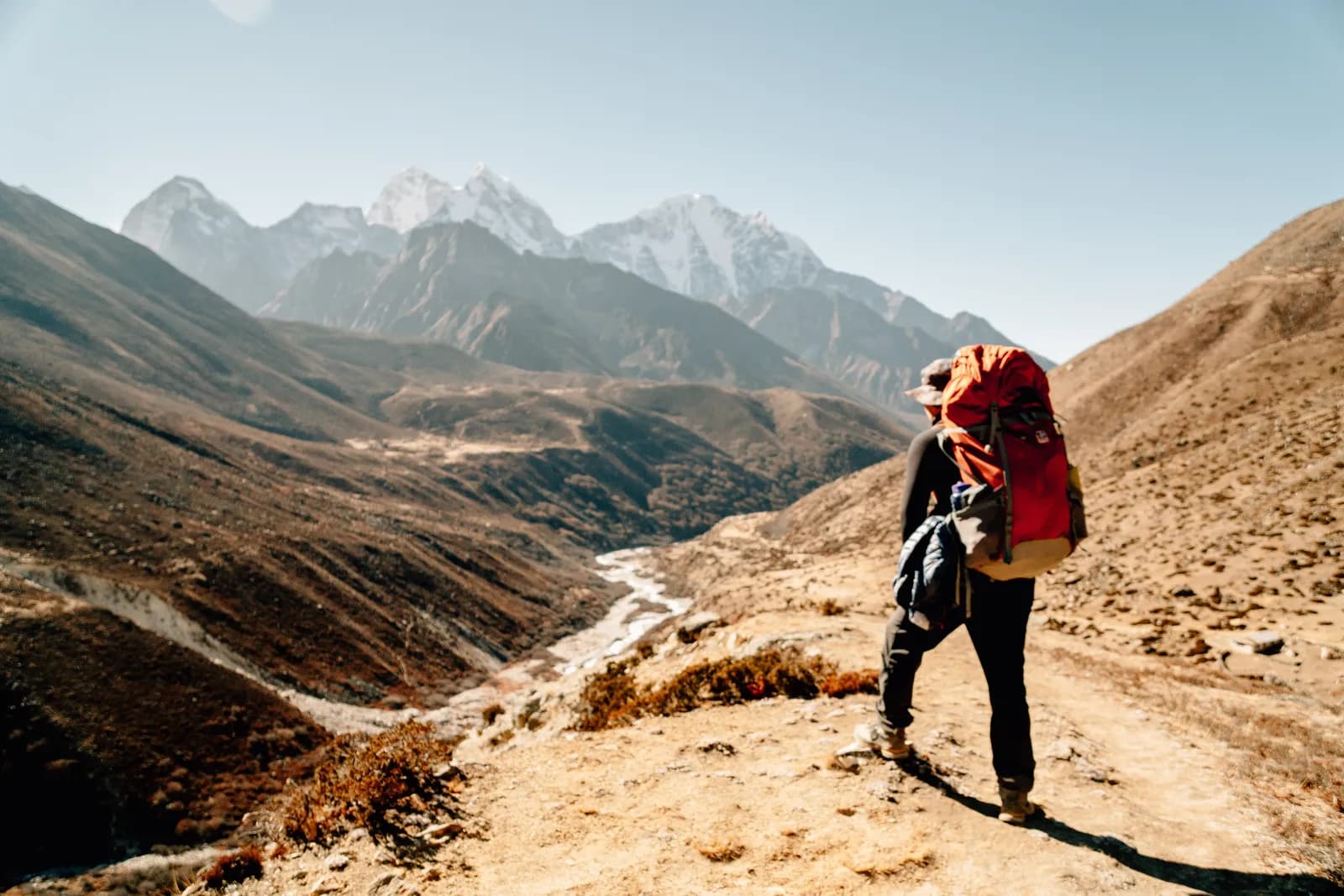
Thorong La at 5416 m, the high point of the route
SafetyThe long descent into Mustang
ContextMuktinath, a major pilgrimage site, at the end of the day
Day 09
moderateStandard teahouseBreakfastLunchDinner
Muktinath to Jomsom
- Distance
- 18 km
- Walking
- 5 hrs
- Sleep
- 2,720 m
- High
- 3,760 m
The Muktinath temple complex
SafetyAbove 3,500 m: follow the altitude protocol.
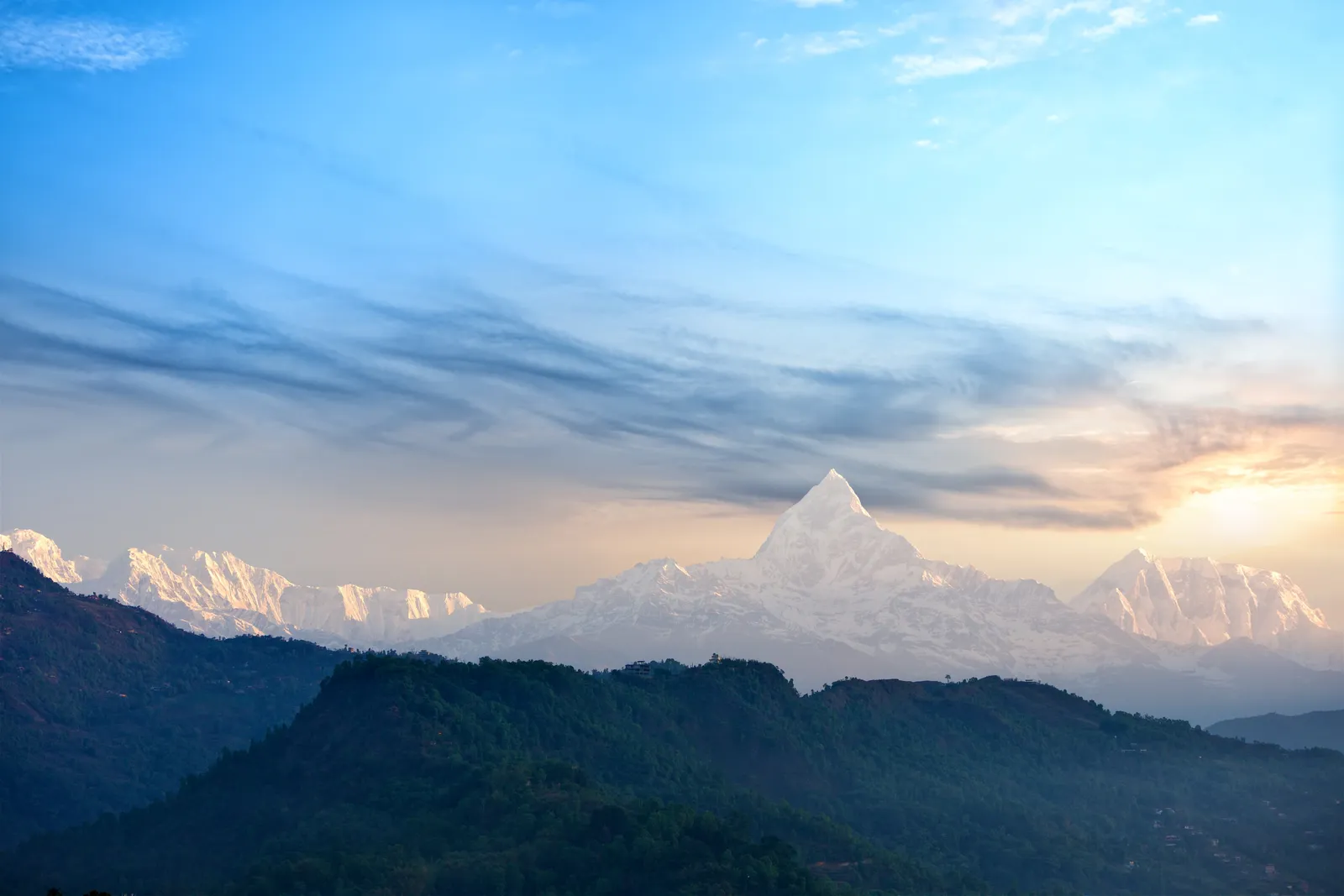
ContextThe arid Mustang landscape of the Kali Gandaki
CultureKagbeni, a medieval village, as an optional stop
Day 10
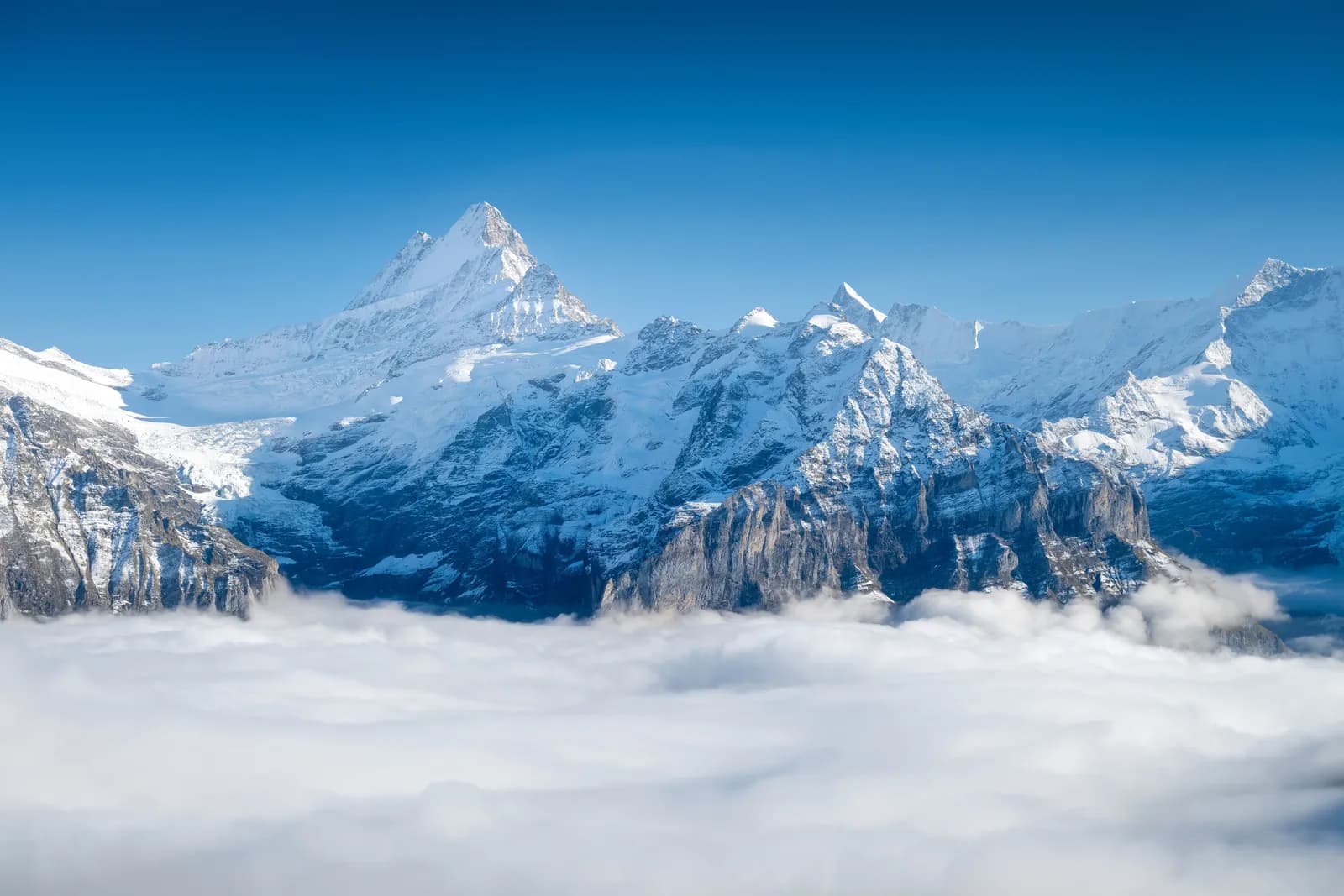
easyKathmandu hotelBreakfastLunchDinner
Jomsom to Pokhara by jeep
- Sleep
- 820 m
- High
- 2,720 m
The road down the Kali Gandaki
AltitudeArriving back in warm, low Pokhara
RoadA dependable jeep exit, with the flight as an add-on
Day 11
easyBreakfast
Pokhara to Kathmandu
- Sleep
- 1,400 m
The drive or flight back to Kathmandu
ContextA buffer day to close the trip without rushing
Stories & Guides
View All StoriesWant to Know More?
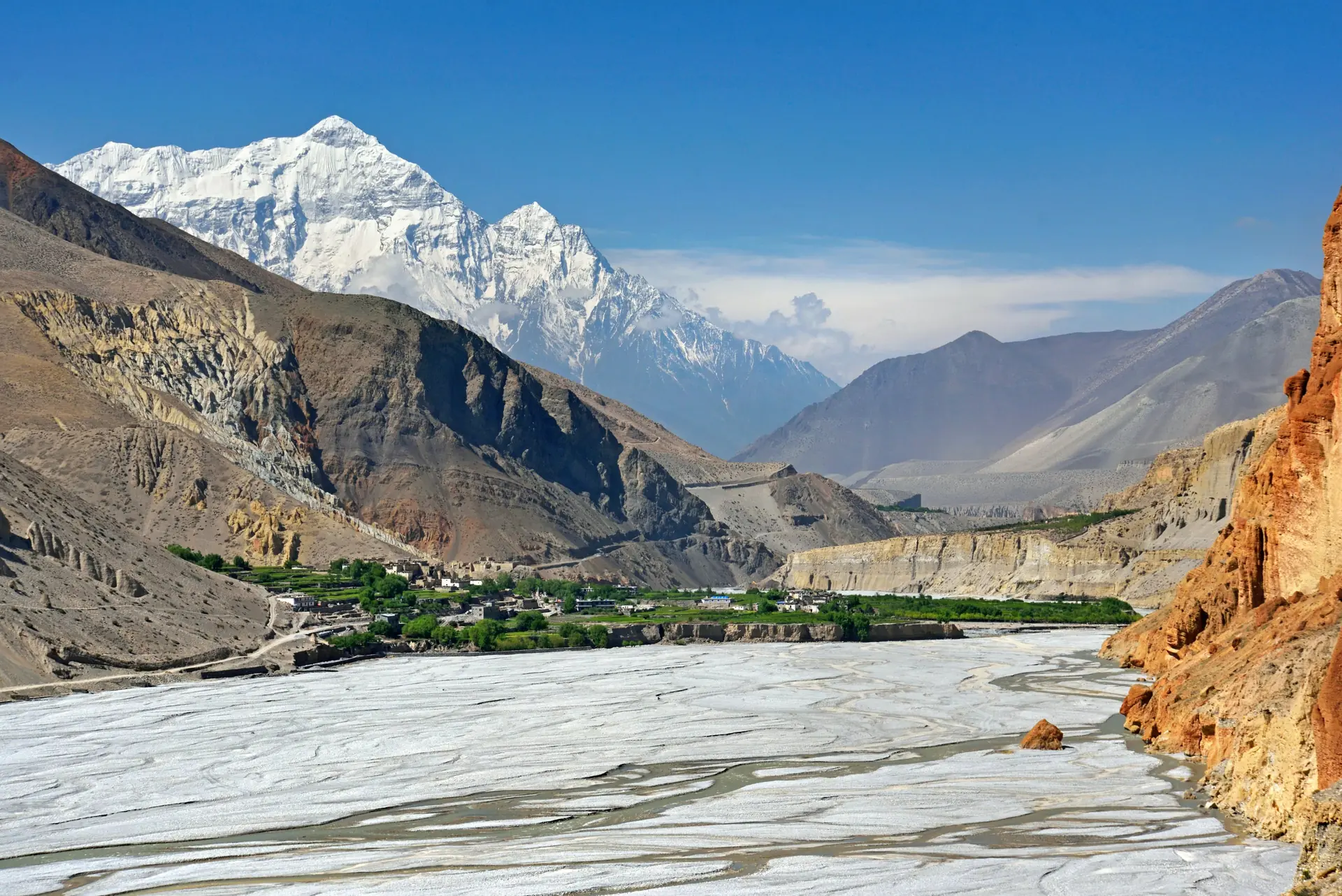
Why Upper Mustang Is Nepal's Best-Kept Secret
Journey into the forbidden kingdom with ancient Tibetan monasteries and desert landscapes.
MustangCultureHidden Gem
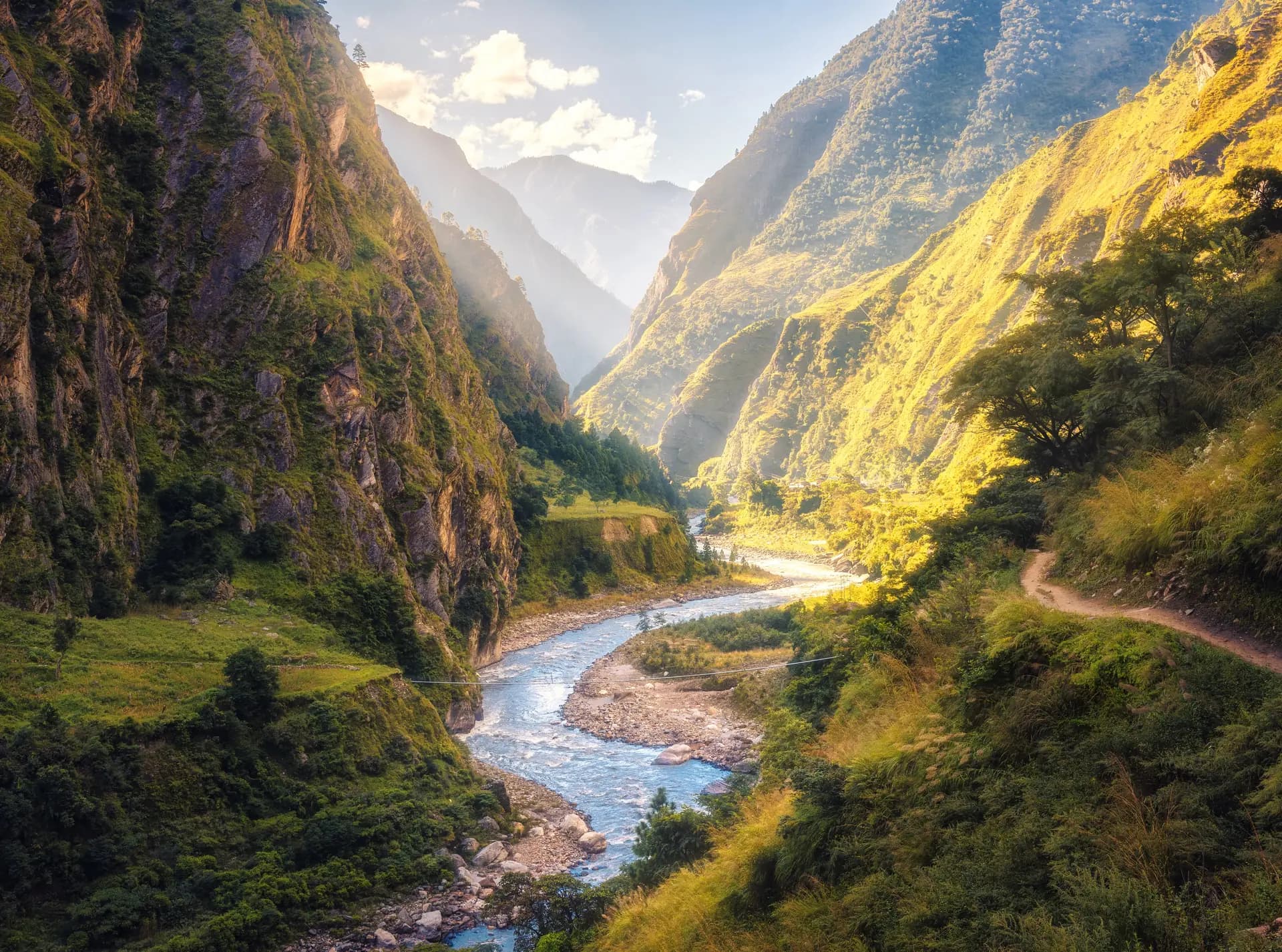
Best Time to Trek in Nepal: A Month-by-Month Breakdown
When to go for clear views, when to go for flowers, and when to avoid the rain. Expert advice.
PlanningSeasonsTips
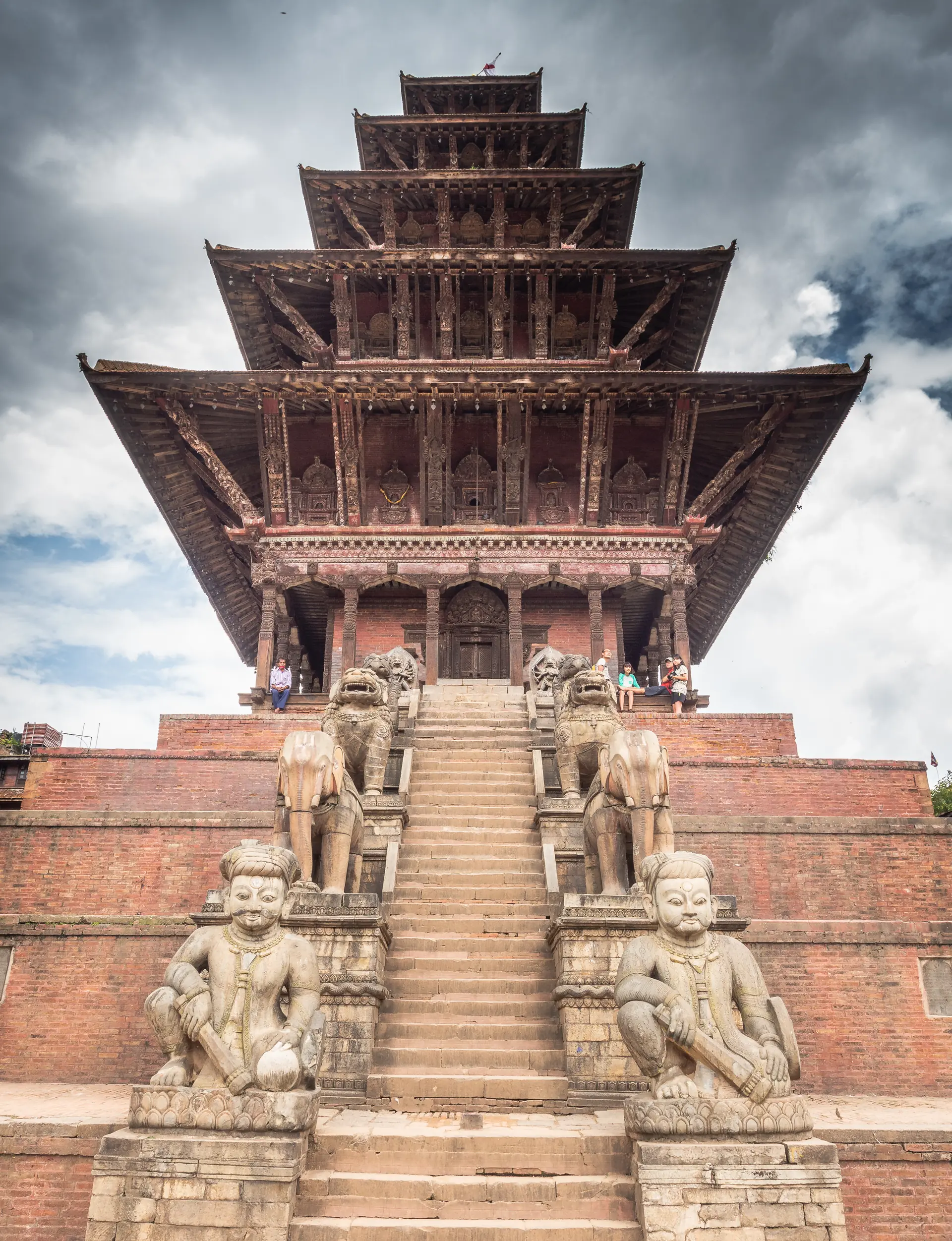
5 Day Trips from Kathmandu You Shouldn't Miss
Escape the city dust and explore ancient temples, hill stations, and hidden valleys just hours away.
KathmanduDay TripsCulture
Similar Adventures
View All TreksYou Might Also Like
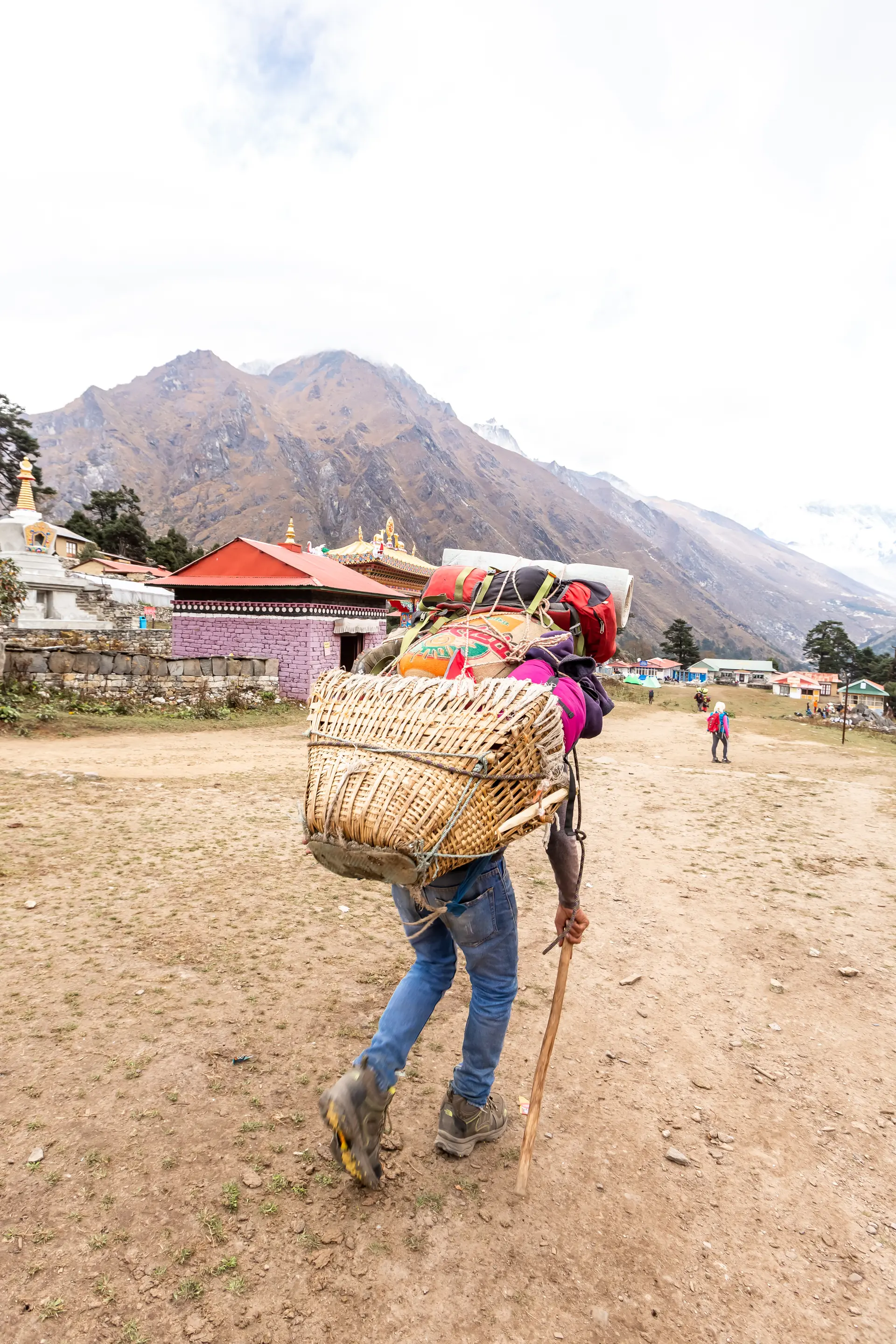
Annapurna Circuit Trek
Cross Thorong La (5416 m) on the Annapurna Circuit. Honest pacing, a real Manang rest day, meals included. Three tiers, same safety.
16 Days5,416mChallenging
Mardi Himal Trek
A short yet spectacular ridge walk with intimate views of Machhapuchhre (Fishtail) and the Annapurna range.
7 Days4,500mEasy
Manang Valley
A road-based journey to Manang village (3540 m) in the Annapurna Region. Big mountain views, Tibetan-influenced villages, optional valley walks.
6 Days3,540mEasy
Quote$3,0002 trekkers