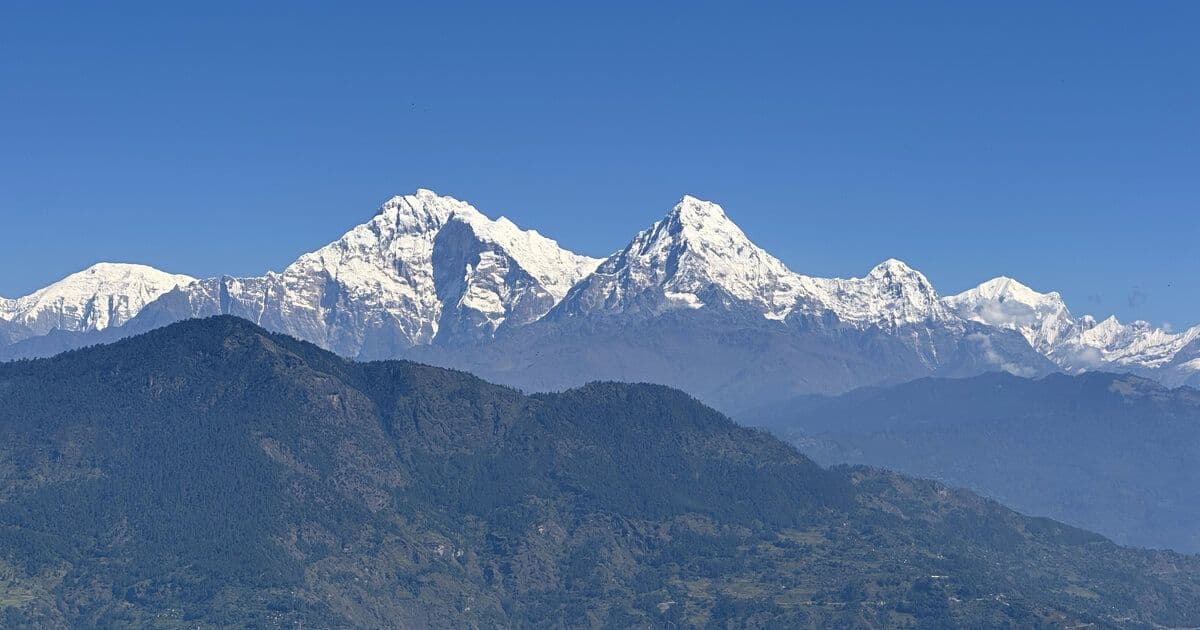
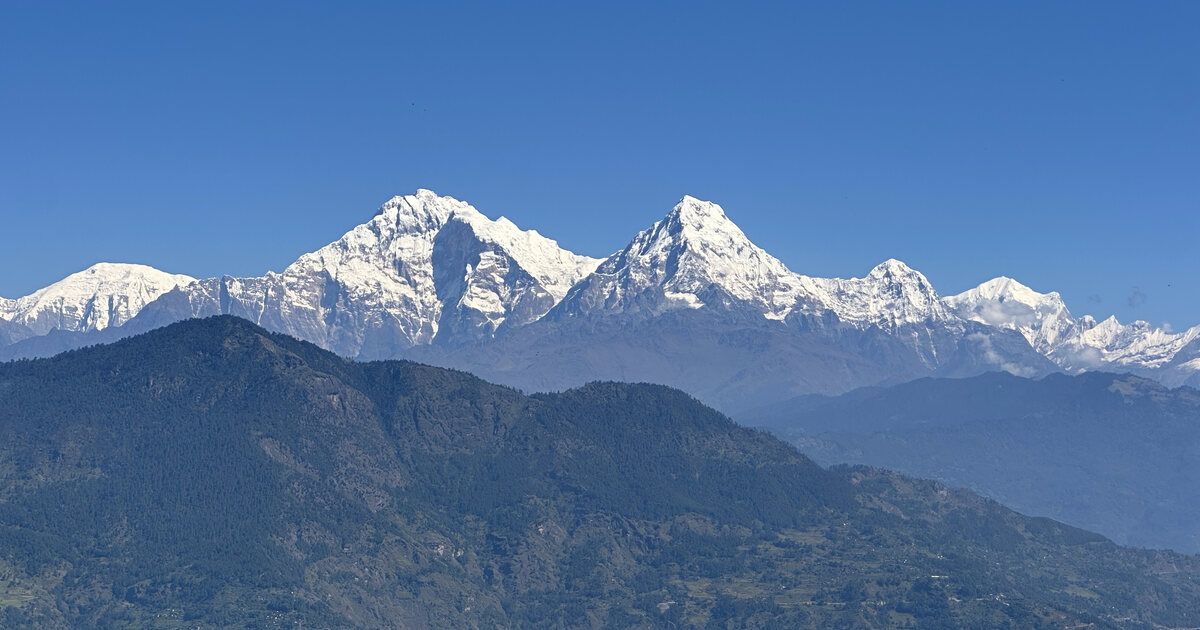
The best time to trek in Nepal is usually spring, from March to May, or autumn, from October to November. That is the short answer. The better answer depends on your route: its region, highest sleeping altitude, pass crossings and access by road or mountain flight.
Nepal is not one weather zone. The Everest region, the middle hills and Upper Mustang can feel very different in the same week. The monsoon also arrives and withdraws on different dates from year to year. Use the month to make a shortlist, then use current route information to make the final choice.
Key takeaways
- October and November suit the widest range of classic routes, with high demand on famous trails.
- March to May is the main spring window, with warmer days and changing conditions by elevation.
- June to August can suit rain-shadow areas such as Upper Mustang even when much of Nepal is wetter.
- December to February can suit selected lower or route-specific treks when the itinerary fits cold and snow conditions.
- A recommended season never guarantees visibility, flights, pass access or freedom from altitude illness.
The short answer
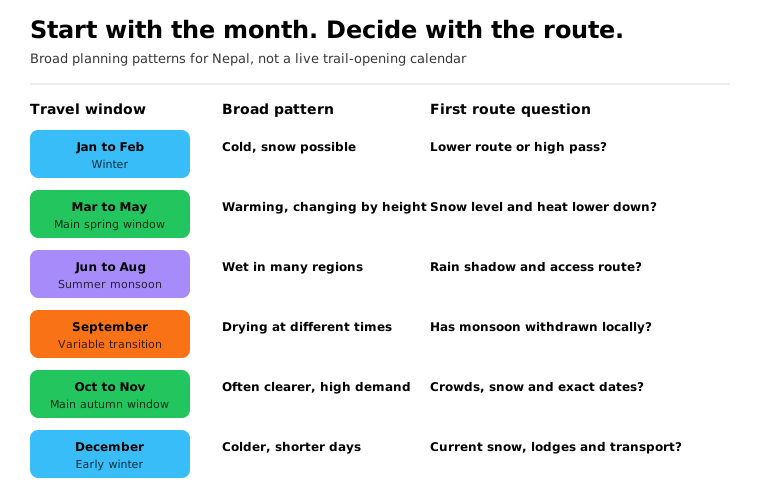
For a first shortlist, think in four broad windows:
- March to May: the main spring trekking season for many Everest, Annapurna and Langtang routes.
- June to August: the summer monsoon across much of Nepal, with rain-shadow options such as Upper Mustang.
- October to November: the most broadly useful autumn window for many classic treks.
- December to February: a colder period that can work well for selected routes with the right altitude profile and current checks.
The Nepal Tourism Board trekking booklet says trekking is possible throughout the year, identifies spring and autumn as the popular periods, notes winter cold and snow on high passes, and identifies rain-shadow areas such as Mustang as options during the summer monsoon. That is national planning guidance, not a live trail report.
Nepal trekking seasons at a glance
| Period | Broad pattern | Often suits | Plan around | Verify before travel |
|---|---|---|---|---|
| January to February | Cold winter conditions, with snow possible at elevation | Selected lower routes and carefully chosen regional itineraries | Shorter daylight and cold nights | Recent snow, lodge operation, pass and transport status |
| March to April | Warming spring conditions and new plant growth | Many lower, middle-hill and high-altitude approaches | Demand on popular trails and remaining snow higher up | Local forecast, high-section conditions and route access |
| May | Warmer late spring with pre-monsoon build-up possible | Routes that suit warmer lower valleys and early starts | Heat lower down, haze and cloud build-up | Forecast, start times, flight and road conditions |
| June to August | Summer monsoon across much of Nepal | Rain-shadow routes and carefully selected journeys | Rain, cloud and transport disruption in affected areas | Regional rainfall, roads, flights, river crossings and recent notices |
| September | Monsoon-to-autumn transition | Flexible travelers who can adapt to recent conditions | Withdrawal timing varies and some trails may remain wet | Current DHM reporting, route condition and transport |
| October to November | Popular autumn trekking period | Many classic Nepal treks | Higher demand on famous routes and colder late-November nights | Accommodation, transport, recent snow and route status |
| December | Early winter, often dry but increasingly cold | Selected lower and route-specific treks | Shorter days and possible snow higher up | Temperature forecast, lodge operation and contingency time |
Nepal month by month
January and February
Winter can suit travelers who value quieter trails and are comfortable planning around cold mornings, short days and route-specific snow. Lower and mid-elevation itineraries usually offer a wider choice than plans built around a high pass.
- Best for: selected lower routes, shorter itineraries and flexible travelers.
- Plan for: warm layers, earlier starts and fewer operating services in some places.
- Check: recent snowfall, lodge operation, road access and any pass the itinerary depends on.
The official trekking booklet notes very cold winter conditions above 4,000 metres and possible snow on high passes. It does not set one closure date for every trail. Ask about the exact route rather than treating winter as a single national condition.
March and April
March and April form the core of the spring trekking season. Temperatures generally begin to rise, spring becomes a widely recommended planning period for many popular regions, and forest routes may offer spring color.
- Best for: a broad choice of Everest, Annapurna and Langtang itineraries.
- Plan for: popular trails, changing snow conditions at elevation and temperature differences between valleys and high camps.
- Check: recent snow on high sections, the local forecast and the route's maximum sleeping altitude.
If rhododendrons matter to you, choose a route with the right vegetation zone and ask about current observations. Bloom timing changes with elevation, aspect and the year, so no responsible planner can promise one exact week.
May
May remains inside the popular spring window, but it is a transition month. Lower valleys can feel warmer, cloud may build during the day, and pre-monsoon weather can shorten the long clear periods some travelers expect.
- Best for: travelers who prefer warmer conditions and can start walking early.
- Plan for: heat lower down and more variable afternoon visibility.
- Check: the short-range forecast, mountain-flight schedule and road conditions.
May works well when the itinerary and daily rhythm fit the season. Choose it for warmer trekking, not for a promise of uninterrupted views.
June, July and August
June to August is the summer monsoon across much of Nepal. The useful question is not simply, "Can I trek in Nepal during the monsoon?" It is, "Which region fits a summer trip, and how will I reach it?"
The Nepal Tourism Board climate overview documents strong regional rainfall differences, while its Annapurna-region guidance distinguishes dry Upper Mustang from wetter parts of the region.
- Best for: rain-shadow itineraries and travelers with transport contingency time.
- Plan for: wet approaches, cloud and possible road or flight disruption outside the final dry region.
- Check: current rainfall, landslide notices, river crossings, road condition and flight status.
A rain-shadow destination is not a guarantee that every connecting road or flight is unaffected. The route to the route still matters.
September
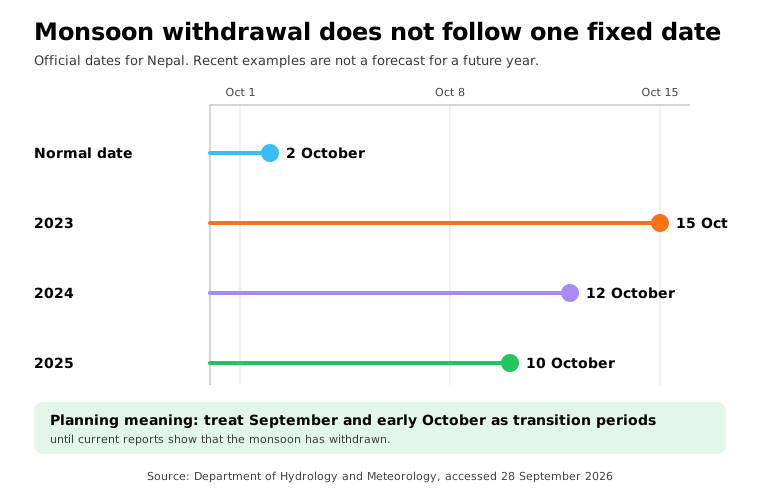
September is a transition, not a switch from monsoon to autumn on the first day of the month. Some trails may begin drying while rain continues elsewhere. Later September can become attractive when recent conditions line up, but flexibility is the key advantage.
The Department of Hydrology and Meteorology gives 2 October as Nepal's normal monsoon withdrawal date. Official records show withdrawal on 15 October in 2023, 12 October in 2024 and 10 October in 2025. These are historical examples, not a forecast for the next trekking season.
October and November
October and November are the most broadly useful autumn months for many Nepal treks. The Nepal Tourism Board climate page associates the post-monsoon period with clearer skies, and its regional pages commonly recommend these months for major trekking areas.
- Best for: the widest choice of classic routes and travelers prioritizing post-monsoon conditions.
- Plan for: higher demand on famous trails and cooler conditions as November advances.
- Check: rooms, mountain transport, recent snow and exact route status.
Trekking in Nepal in October is popular for good reason, but it is not one uniform experience. A famous trail may be busy, while a different route in the same region can feel quieter. Late November also calls for a warmer packing plan than early October.
December
December can suit selected treks in colder, often drier conditions. Lower routes may remain attractive for travelers prepared for early starts and cold nights, while high routes need more detailed scrutiny.
- Best for: selected lower or route-specific treks with a conservative plan.
- Plan for: shorter daylight, cold water and fewer services in some places.
- Check: temperature forecast, fresh snow, pass status, lodge operation and road or flight alternatives.
Choose December for the itinerary it supports, not as a quieter copy of October.
Best time by popular trek and region
These are broad planning windows. Each linked trek page owns the current itinerary, route notes and operating details.
Everest Base Camp and Gokyo
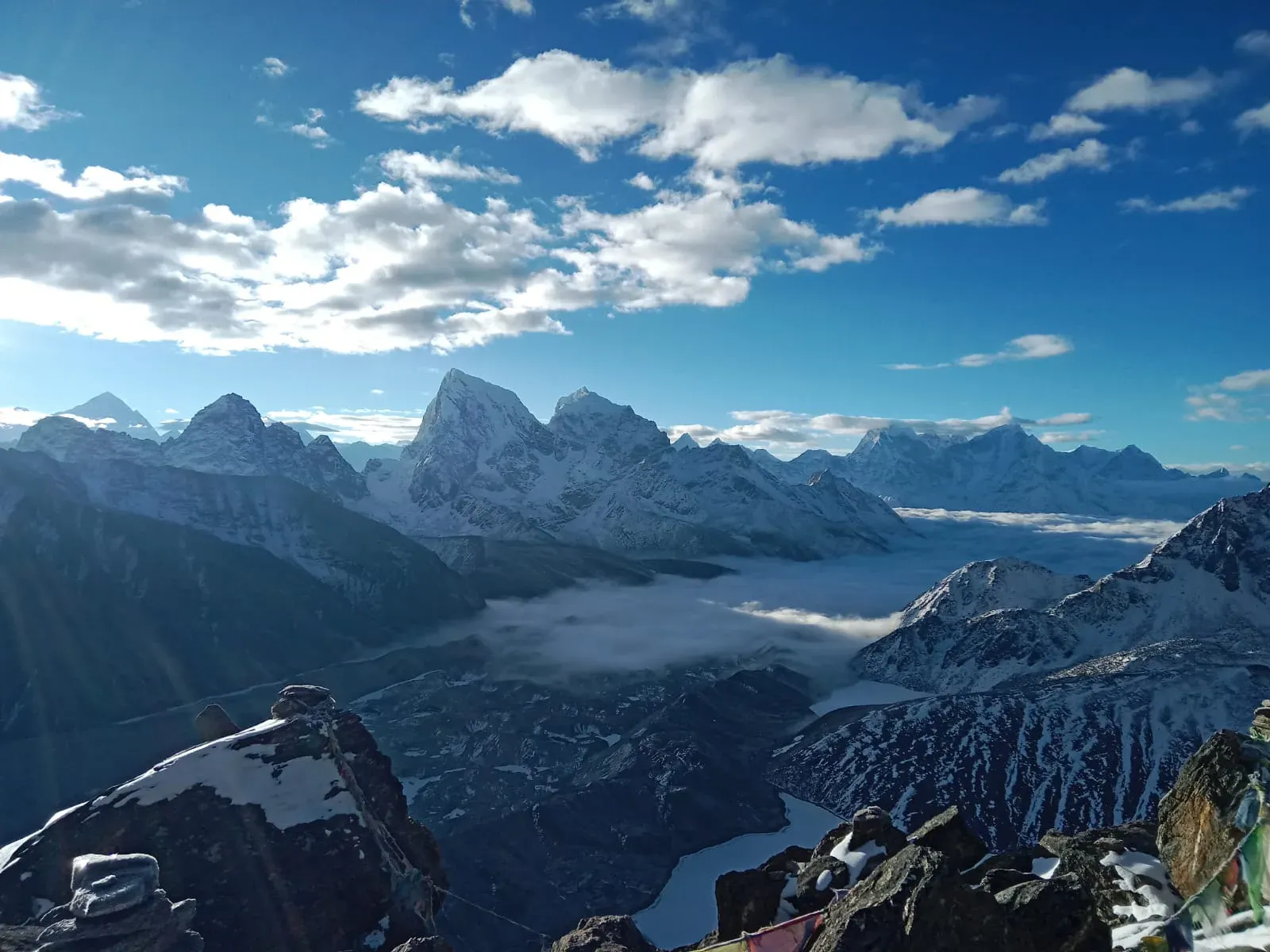
The Nepal Tourism Board Everest overview gives October to November and March to May as the main periods, while also noting winter snow and summer rain.
- Everest Base Camp trek: compare spring and autumn around your tolerance for cold, trail demand and mountain-flight uncertainty.
- Gokyo Lakes trek: use the same broad spring and autumn starting point, then check lake, snow and exact route conditions.
Both routes reach serious altitude. A favorable season helps with planning but does not replace acclimatization or current flight and trail checks.
Annapurna Base Camp, Annapurna Circuit and Mardi Himal
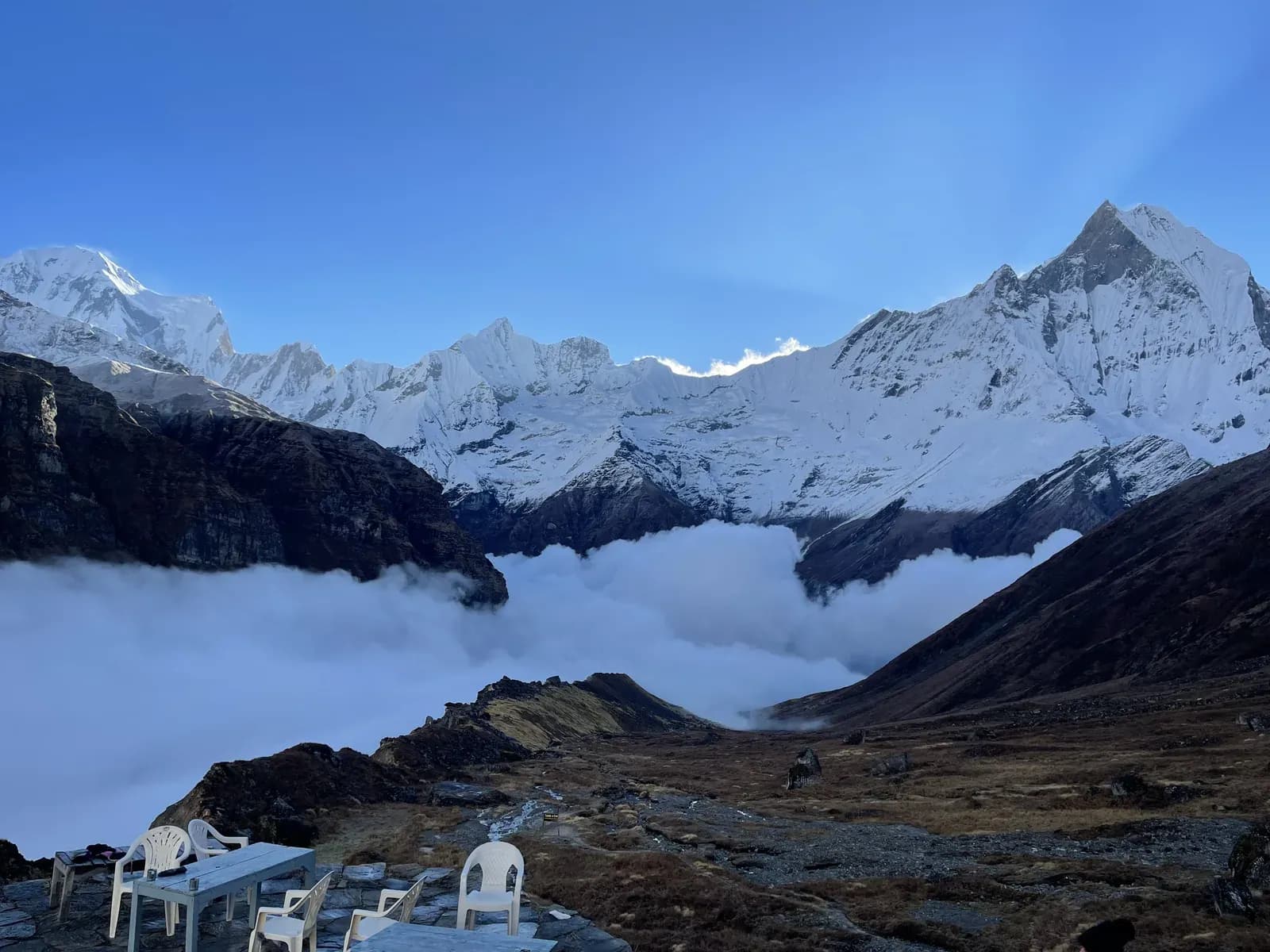
Annapurna covers multiple landscapes and altitude profiles. Match the season to the exact route:
- Annapurna Base Camp trek: spring and autumn are the broad starting points; check lower-valley rain and upper-sanctuary snow separately.
- Annapurna Circuit trek: pass conditions around Thorong La make a current snow and wind check essential.
- Mardi Himal trek: spring and autumn suit the ridge for many travelers, with current visibility and snow checks for the upper section.
The best time to trek in Nepal's Annapurna region depends on whether you are walking through forest, entering a sanctuary or crossing a high pass.
Langtang Valley and Gosaikunda
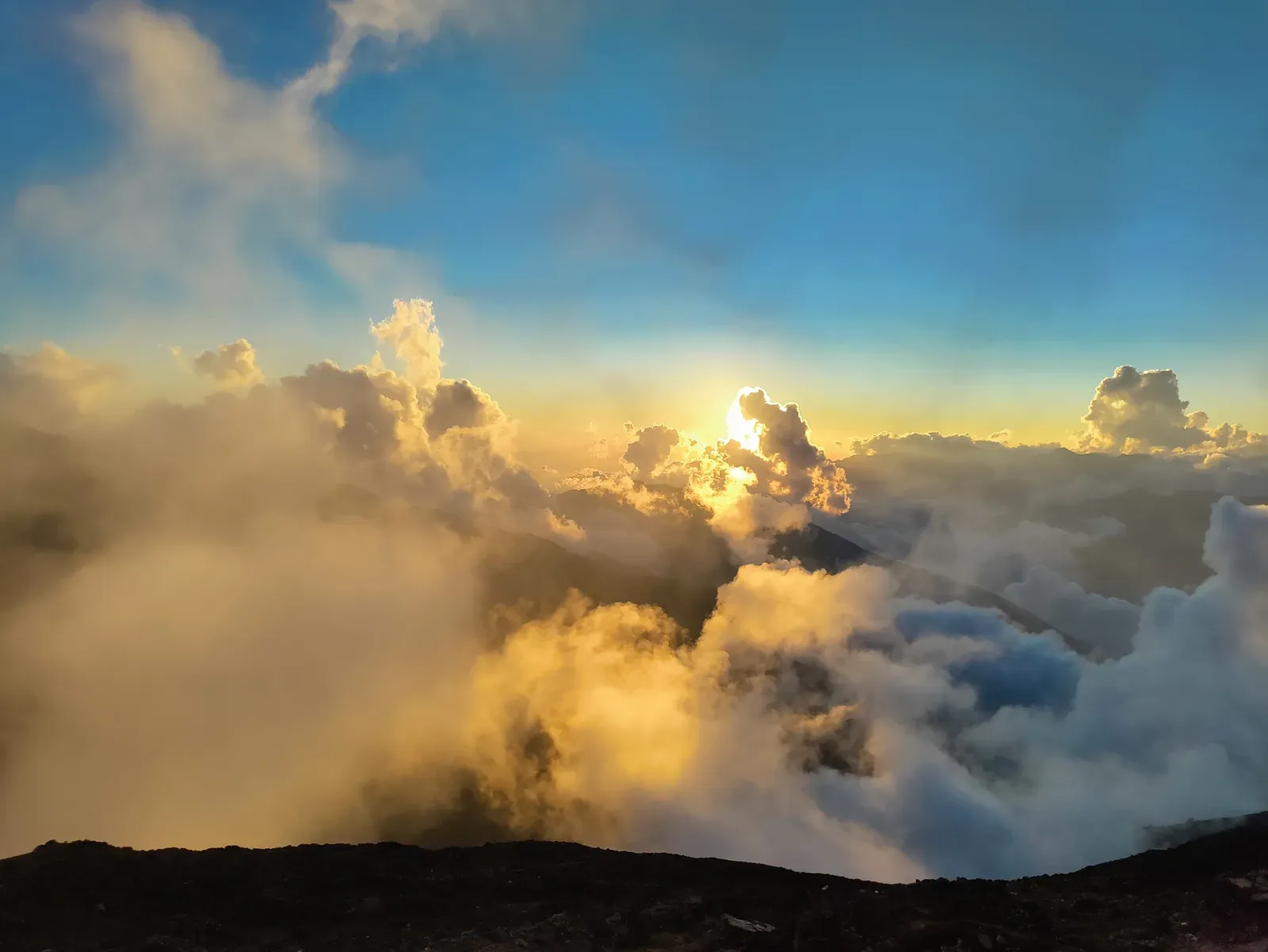
The Nepal Tourism Board Langtang page recommends March to May and October to November and notes winter snow and cold.
- Langtang Valley trek: use spring or autumn as the first shortlist for the core valley.
- Gosaikunda extension: the same Langtang page explains the extension; its higher lake and pass terrain need a separate snow and altitude check from the valley walk.
This is a useful example of why an extension can change the right answer even when the starting region is the same.
Upper Mustang
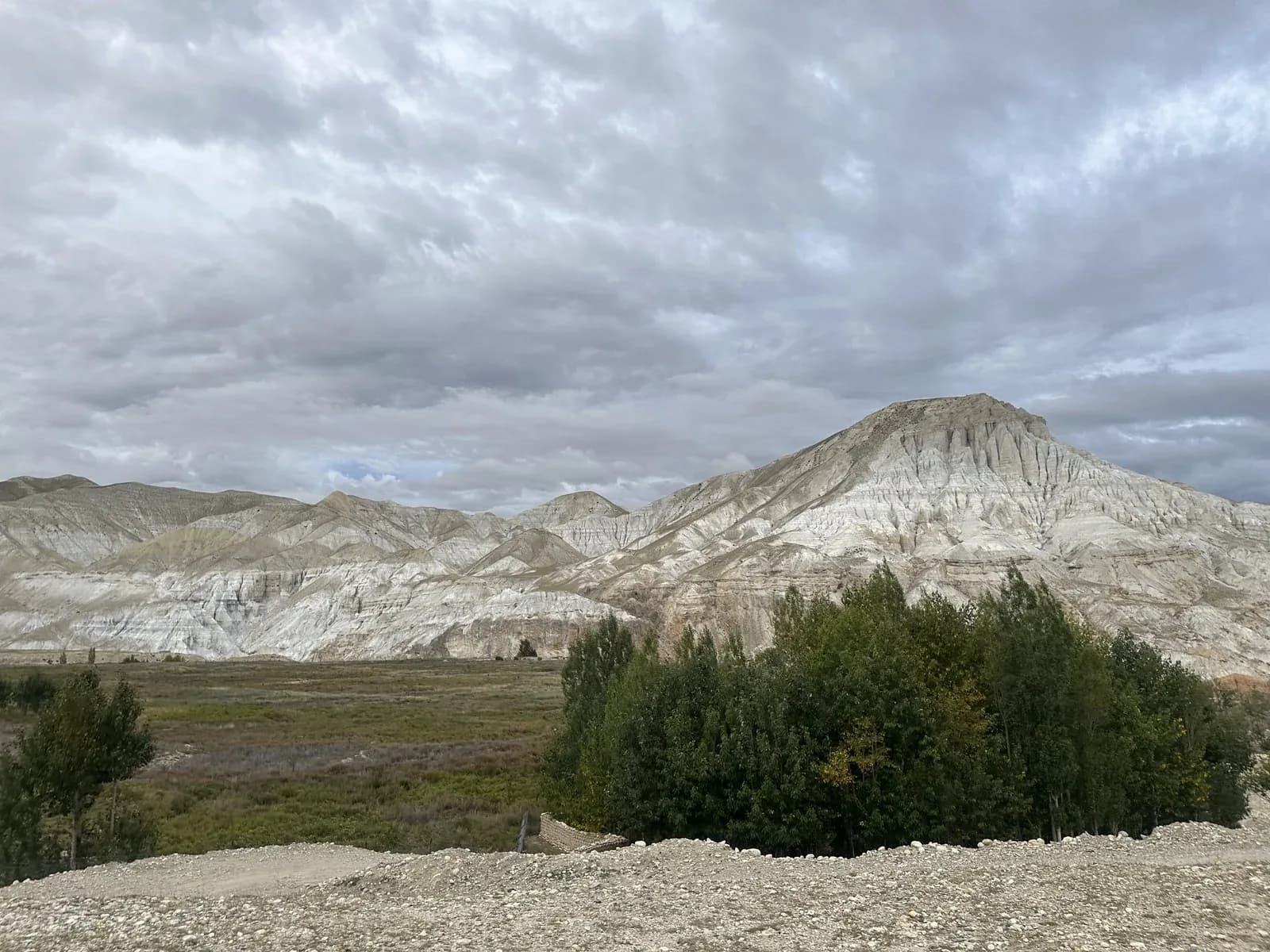
Upper Mustang is a clear published example of a rain-shadow trekking region in the official tourism material. That gives travelers a wider seasonal choice than many wetter routes.
- Upper Mustang trek: consider spring and autumn, with summer also viable because of the rain shadow.
- Still verify: the Jomsom approach, connecting roads or flights, local wind, route condition and current restricted-area requirements.
The best time to visit Mustang, Nepal is therefore not identical to the best time for every Annapurna trek south of the main range.
High-pass routes versus lower routes
A pass crossing needs a narrower decision than a valley itinerary. Recent snow, wind, ice, daylight and trail reports may matter more than the broad season label. Lower does not mean risk-free, but it usually gives planners more room to adapt than a route whose whole purpose depends on one high crossing.
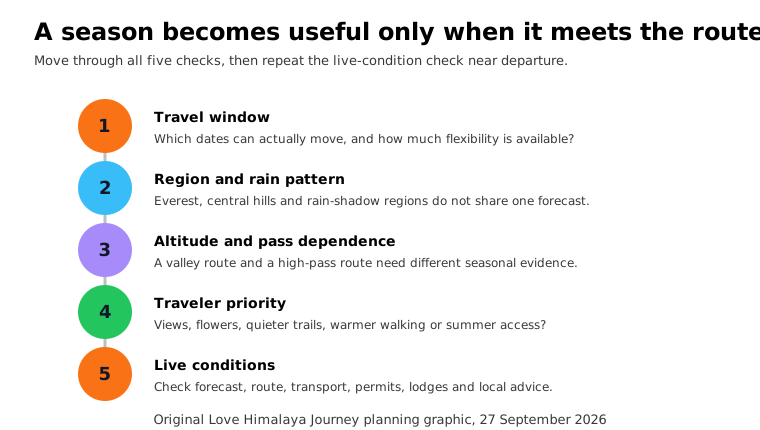
Choose by what matters most to you
Clearer mountain views
Post-monsoon autumn is commonly associated with clearer skies. Winter can also bring clear periods with much colder conditions. No month guarantees a view, so build the trip around a route you will value even if clouds arrive.
Spring flowers
March and April are the broad starting point for forest routes. Bloom timing varies by elevation and year. Ask about recent local observations rather than buying an exact flower date.
Fewer visitors
Consider a less famous route, the edge of a main season or a route with more than one itinerary option. National arrival figures are not trail counters, so ask about the exact trail, flight and lodge pattern for your dates.
Summer travel
Start with a rain-shadow region, then check how you will reach it. Add contingency time if the itinerary depends on weather-sensitive roads or flights through wetter country.
A winter trek
Begin with routes that do not depend on a high pass and confirm the local support network. The best Nepal winter treks are the ones whose altitude, daylight and current operating conditions match the traveler, not simply the ones described as low.
What the calendar cannot tell you
A month-by-month guide cannot confirm live conditions. It cannot promise:
- a mountain view on a particular morning;
- a flight or road operating on schedule;
- a pass being free of fresh snow or ice;
- every lodge, water point or seasonal service being open;
- the absence of heavy rain, a landslide or a route change;
- that altitude illness will not affect a traveler.
That honesty does not make a trek less appealing. It helps you choose a route with the right contingency and arrive with expectations the mountain can actually meet.
Checklist before you book and before you go
Use this list twice: once while choosing the trek, then again close to departure.
- Route: confirm the exact itinerary, highest sleeping altitude and any pass crossing.
- Weather: check the official short-range forecast and recent local conditions.
- Trail: ask for recent snow, rain, landslide and route reports.
- Transport: confirm roads, mountain flights and realistic contingency time.
- Lodges: verify accommodation, water and seasonal services on the exact route.
- Permits: check the current Nepal trekking permit guide and any route-specific restriction.
- Altitude: keep a realistic acclimatization plan regardless of season.
- Timing: review the Nepal festivals and trekking guide if a festival may affect transport or add cultural context.
The trekking FAQ covers fitness, guides, porters and day-to-day preparation in more detail.
Frequently asked questions
What is the best month to trek in Nepal?
October is the broadest single-month answer because it sits in the popular post-monsoon period. It is not universally best. April may suit a spring trek, winter may fit a selected lower route, and summer can suit Upper Mustang. Choose by region, altitude, pass dependence and your priorities.
What is the best season for trekking in Nepal?
Spring from March to May and autumn from October to November suit the widest range of popular routes. Summer and winter remain useful for selected regions and itineraries when access, altitude and current conditions are checked.
Can you trek in Nepal during the monsoon?
Yes, on carefully selected routes. Rain-shadow areas such as Upper Mustang can differ sharply from wetter parts of Nepal. Access roads, flights and connecting valleys may still be affected, so current checks and contingency time remain important.
Is winter trekking in Nepal possible?
Yes. Selected routes can work well for prepared travelers. Winter brings cold, shorter days and possible snow at elevation, so confirm the exact route, lodge network and transport rather than relying on a national label.
When is the best time for Everest Base Camp?
March to May and October to November are the broad planning windows most often recommended for the Everest region. Your better choice depends on exact dates, temperature tolerance, trail demand, mountain flights and recent snow.
When is the best time for the Annapurna region?
Spring and autumn are the broad answer, but the route matters. Annapurna Base Camp, Mardi Himal and the Annapurna Circuit have different altitude profiles and dependencies. A high-pass itinerary needs a tighter snow and wind check than a lower forest route.
When are Nepal's trekking trails least crowded?
Many trails are quieter outside the popular spring and autumn windows, but lower demand can come with more weather or service uncertainty. A lesser-used route in a popular month may feel quieter than a famous trail in a shoulder month.
Choose the route after you choose the month
The best time to trek in Nepal is the overlap between your dates, the region's broad climate, the route's altitude and access, and the experience you want.
Start with spring or autumn for the widest classic-route choice. Look at Upper Mustang for a summer journey. Consider selected lower or route-specific options for winter. Then verify the exact itinerary against current conditions.
If you already have dates, compare Nepal's trekking regions and make a shortlist of two or three routes. When you want a current check, send LHJ your dates and shortlist. We can help you compare the honest options without turning a seasonal pattern into a promise.
Sources
- Department of Hydrology and Meteorology: Monsoon onset and withdrawal dates, accessed 28 September 2026. Used for the normal withdrawal date and the 2023 and 2024 examples.
- Department of Hydrology and Meteorology: Preliminary precipitation and temperature summary, monsoon season 2025, published 11 November 2025 and accessed 28 September 2026. Used for the 2025 withdrawal date and the normal-date comparison.
- Department of Hydrology and Meteorology: Monsoon onset and withdrawal service, accessed 28 September 2026. Used as the official current reference path.
- Department of Hydrology and Meteorology: Monthly climate reports, accessed 28 September 2026. Used as the reporting path travelers should check near departure.
- Nepal Tourism Board: Trekking in Nepal booklet, accessed 28 September 2026. Used for broad year-round, spring, autumn, winter and rain-shadow guidance.
- Nepal Tourism Board: Climate, accessed 28 September 2026. Used for regional rainfall differences and post-monsoon visibility context.
- Nepal Tourism Board: Everest Region, accessed 28 September 2026. Used for official regional season context.
- Nepal Tourism Board: Langtang Region, accessed 28 September 2026. Used for official regional season context.
- Nepal Tourism Board: Annapurna Region, accessed 28 September 2026. Used for wet, dry and rain-shadow context.
Corrections and updates
Climate patterns are not forecasts, and operating conditions change. If an official source or dated route notice materially changes this guidance, report it to LHJ so the evidence can be checked. Recheck this article after any major seasonal or operational update.
Something here out of date or wrong? Tell us and we will check it.